Classification and Selection Principles of Dyes
2023-08-24
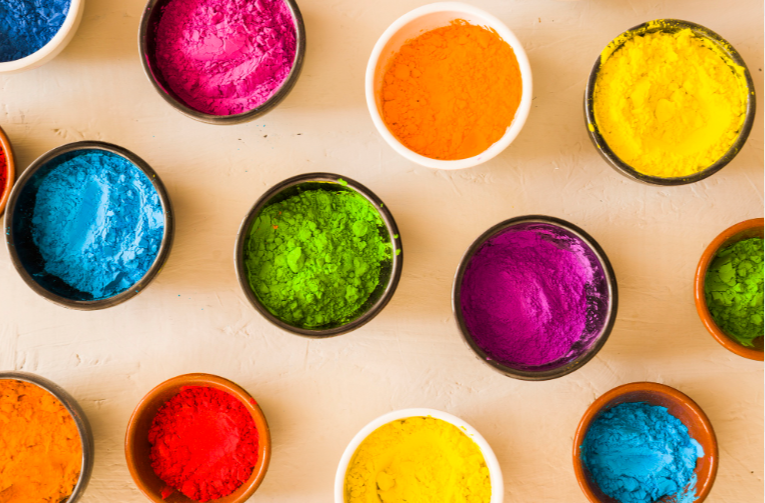
Dyes can be classified into the following categories based on their properties and application methods:
1.Direct Dyes:
These dyes can be directly applied to various fibers such as cotton, linen, silk, and wool without relying on other agents. The dyeing process is simple, offers a complete range of colors, and is cost-effective. However, they exhibit poor wash and light fastness. By applying appropriate post-treatment methods, the colorfastness of the dyed products can be improved.2.Insoluble Azo Dyes:
These dyes are essentially two intermediates of dyes that form insoluble pigments on the fabric through coupling. Since the process involves adding ice during dyeing, they are also called ice dyes. Due to their good wash and light fastness, complete color range, vibrant hues, and low prices, they are extensively used for dyeing and printing cellulose fiber fabrics.3.Reactive Dyes:
Also known as reactive dyes, these are a new type of dye developed in the 1950s. They contain one or more reactive groups in their molecular structure, which can react chemically with fibers under suitable conditions, forming covalent bonds. They can be used for dyeing various textiles, including cotton, linen, silk, wool, viscose, nylon, and polyester.4.Vat Dyes:
These dyes are insoluble in water and are dyed in strong alkaline solutions using reducing agents. After dyeing, they are oxidized back to insoluble dyes, firmly attached to the fibers. Due to the strong alkalinity of the dye solution, they are generally unsuitable for dyeing protein fibers like wool and silk. Vat dyes offer a wide color range, good color fastness, but higher prices, and uniform dyeing can be challenging.5.Soluble Vat Dyes:
These are obtained by converting vat dyes into their sodium sulfate ester form, making them soluble in water. They can be used for dyeing various fibers. They provide a complete color range, vibrant hues, convenient dyeing, and good color fastness. However, they are more expensive than vat dyes and have lower affinity, making them suitable mainly for dyeing light-colored fabrics.6.Sulfur Dyes:
Most of these dyes are insoluble in water and organic solvents but dissolve in alkaline sulfide solutions. They can be directly dyed onto fibers after dissolution. Due to their strong alkalinity, they are not suitable for dyeing protein fibers. Sulfur dyes offer a comprehensive color range, low prices, and good color fastness, but their shades are not as bright.7.Sulfur Reducing Dyes:
These dyes have the same chemical structure and manufacturing method as general sulfur dyes. Their dyeing fastness and performance fall between sulfur and reducing dyes, hence the name "sulfur reducing dyes." They can be dissolved using caustic soda-soda ash or sulfide-soda ash solutions for dyeing.8.Phthalocyanine Dyes:
These dyes are often used as dye intermediates to form condensed and metal-coordinated pigments on fabrics through condensation and metal atom chelation. Currently, these dyes are available in blue and green shades, and their high color fastness, bright hues, and purity make them promising for future development.9.Oxidation Dyes:
Certain aromatic amine compounds undergo complex oxidation and condensation reactions on fibers, resulting in insoluble dyes known as oxidation dyes. Essentially, these dyes are pigments firmly attached to the fibers.10.Condensed Dyes:
These temporary soluble dyes are created by introducing intermediates containing thiosulfonic acid groups into various dye precursors. During dyeing, these dyes can condense into large molecular aggregates, depositing on fibers and providing excellent color fastness.11.Disperse Dyes:
These dyes have low solubility in water and fine particle sizes, appearing as dispersions in the dye bath. They are non-ionic dyes primarily used for dyeing polyester, offering high color fastness.12.Acid Dyes:
These water-soluble dyes typically contain sulfonic acid and carboxyl groups. They can be directly applied to protein fibers like wool, silk, and nylon in acidic, weakly acidic, or neutral media. However, they often exhibit poor wet fastness.13.Acid Medium and Acid Inclusive Dyes:
These two categories include dyes that either do not contain metal ions for mordanting before or after dyeing, or dyes that are pre-complexed with metal ions during manufacturing, forming metal-complexed dye. These dyes generally have better light and wash fastness than acid dyes but tend to produce darker shades. They are mainly used for wool dyeing.14.Alkaline and Cationic Dyes:
Alkaline dyes, previously called basic dyes, were the first synthetic dyes and are often positively charged after dissolving in water, earning them the name cationic dyes. These dyes offer vibrant colors, a complete color range, high color fastness, but even dyeing can be challenging. They are mainly used for acrylic dyeing.Currently, over 7,000 types of dyes are produced worldwide, with over 2,000 commonly used. Due to differences in dye structures, types, and properties, dye selection must be based on the requirements of the dyeing products to determine the appropriate dyeing process conditions.
Principles of Dye Application and Selection
Select Dyes Based on Fiber Properties:
Different fibers require suitable dyes due to their inherent properties. For example, cotton fibers can be dyed using direct, vat, sulfur, reactive, or ice dyes due to their hydrophilic nature. Polyester, on the other hand, requires disperse dyes due to its hydrophobicity and high temperature intolerance.Consider Intended Use of Dyed Material:
The intended use of the dyed material affects the desired colorfastness. Materials like curtains may not require frequent washing but need to resist fading from sunlight exposure. Undergarments and light-colored summer wear, on the other hand, require high wash, light, and sweat fastness.Consider Dye Costs:
While color and fastness are important, cost considerations are also crucial. Expensive dyes may be substituted with cost-effective alternatives that achieve similar results, helping reduce production costs.Dye Selection for Blending:
When blending colors, factors like dye components, solubility, color fastness, and dye uptake rates should be considered. Similar dyes with comparable properties are preferred to ensure consistent dyeing quality.Consider Dyeing Machine Performance:
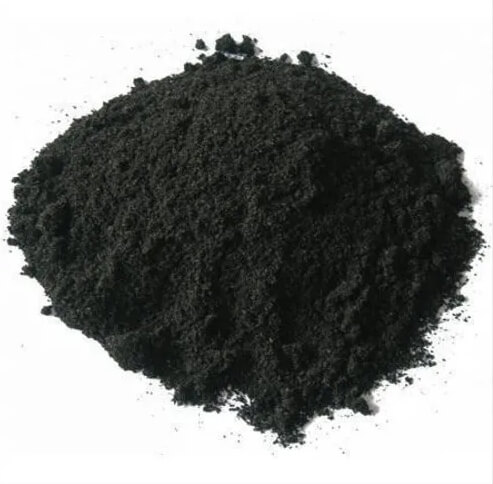
Different dyeing machines have specific requirements for dye properties. For instance, vat dyes with high directness are suitable for jigger dyeing, while lower directness vat dyes are better suited for pad dyeing to achieve uniform dyeing.Dynasty Chemicals flagship products for the year 2023: Dyes for textiles and paper (reduction dyes, disperse dyes, direct dyes, acid dyes, alkaline dyes, sulfur dyes, etc.). Key products: sulfur black powder and liquid, reduction dyes, PVA. A wide range of dyes to meet your needs. Welcome inquiries from our valued customers.
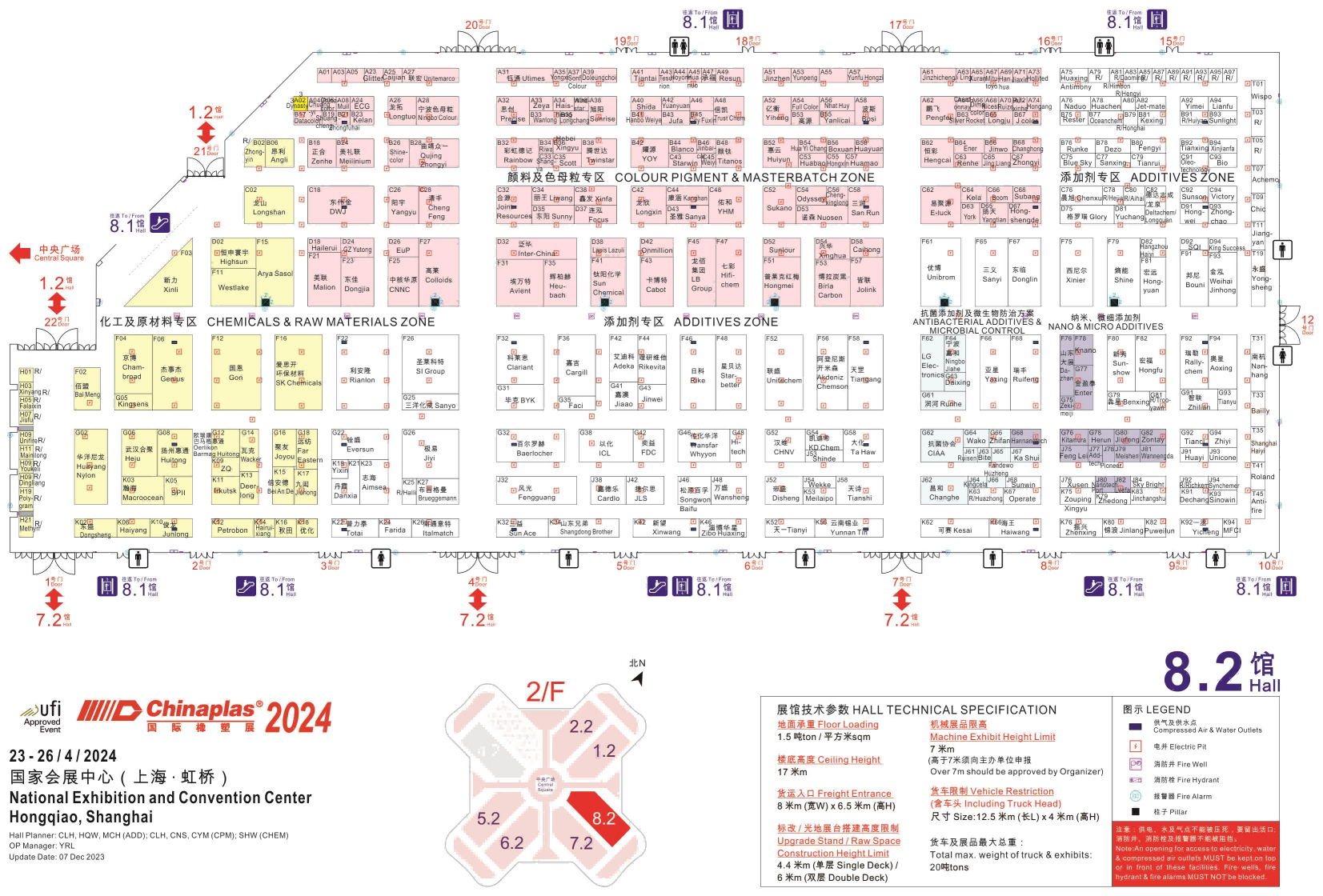 Dynasty Chemicals @ Chinaplas 2024, Shanghai
  Versatile Uses of Acid Black Dyes
 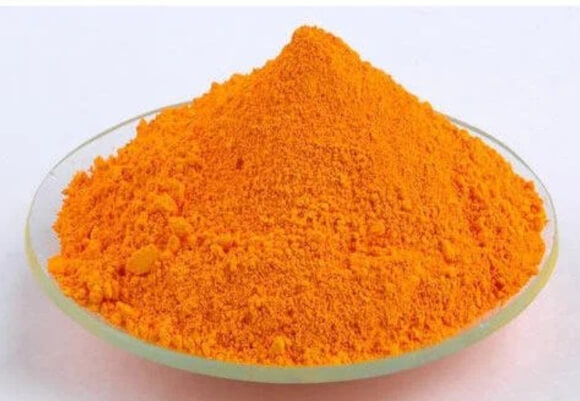 Classification and Application of Vat Orange Dyes
  Chemical Properties of CAS 9002-89-5
 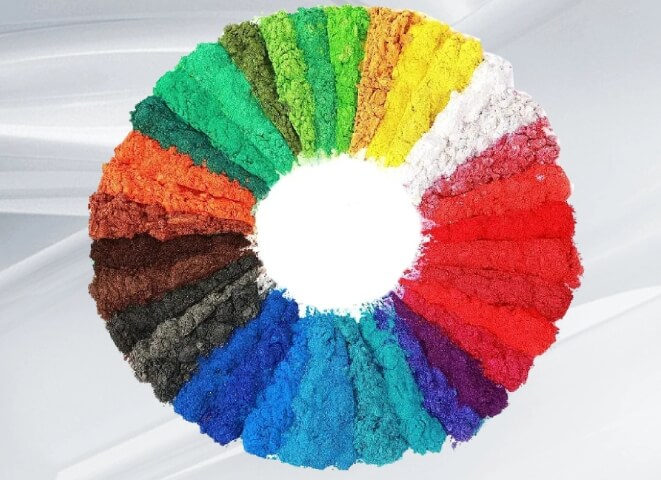 What Are The Common Fabric Dye Types And Textile Dyeing Techniques?
 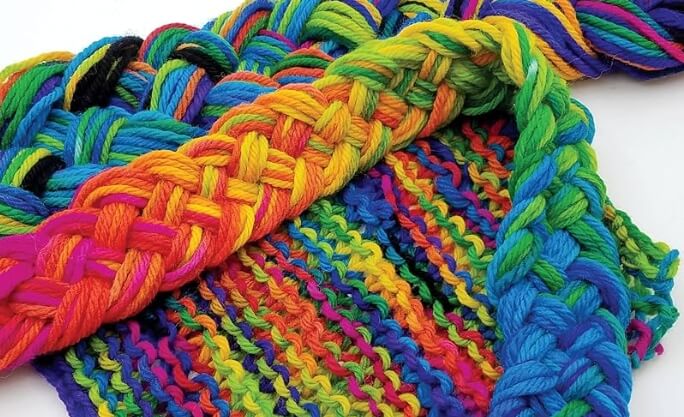 Wool Yarn Dyes Demystified: The Mystery of the Art of Color
 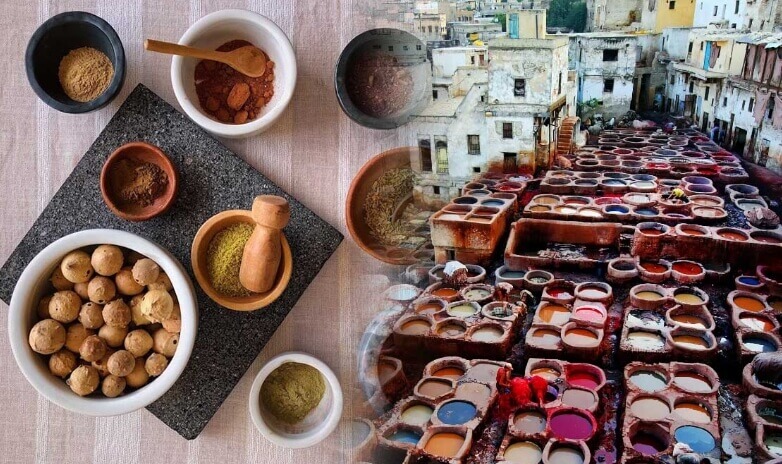 How Do Synthetic Textile Dyes Differ From Natural Textile Dyes?
  Behind Colorfast Dyes: The Science of Lasting Color
  Insights Into Dye For Denim Jeans
  Sustainable Environmentally Friendly Dyes For Textile
  What Is Polyvinyl Alcohol Used For
  Discover the Multiple Uses of Sulphur Dyes
  Basic Knowledge of Cationic Dyes
  Vat Dye Dyeing Process
  Eco-Friendly Properties of Acid Dyes
  What is the difference between mordant and vat dyes?
  What is dispersed dye and what are the classifications of dispersed dyes
  How to choose dyes for your industry?
 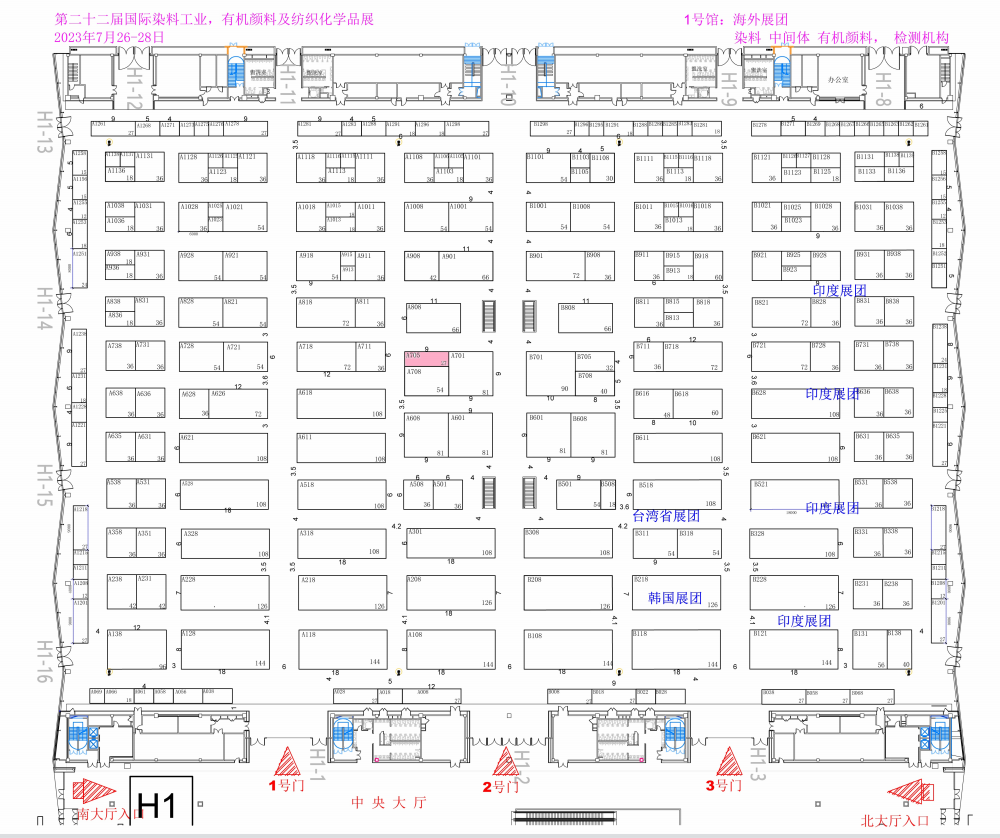 2023 Dynasty Chemicals @ China Interdye 2023, Shanghai
  The History and Development of Dyes