Sustainable Environmentally Friendly Dyes For Textile
Description of sustainable environmentally friendly dyes
The textile industry has always been a major source of environmental pollution, mainly involving water pollution and chemical waste emissions. In the production of traditional dyes, large quantities of water, chemicals and energy are used, which puts enormous pressure on the environment. In addition, the discharge of dyes contaminates water sources and negatively affects the surrounding ecosystem. However, the emergence of environmentally friendly dyes has changed the landscape, offering a more sustainable alternative!
These eco-friendly dyes typically utilize low-water consumption processes, reducing the need for water, and safer chemicals, mitigating the environmental damage caused by chemical waste. They typically require less energy to produce than traditional dyes, reducing greenhouse gas emissions.
Importantly, eco-friendly textile dyes introduce sustainability and responsibility to the fashion industry. More and more brands and designers are adopting these dyes, not only helping to reduce the environmental impact of the textile industry, but also providing consumers with more options to choose products that support the environment.
Characteristics of sustainable environmentally friendly dyes
The features and benefits of sustainable fabric dye make them the future of the textile industry.
- One of the distinguishing features of eco friendly textile dyes is the reduced demand for water. Hundreds of liters of water are consumed to treat each kilogram of textile in the production of conventional dyes, which poses a serious threat to water resources. In contrast, sustainable dyes utilize a low water consumption process, thus reducing the use of water in the dyeing process and helping to conserve valuable freshwater resources.
- sustainable dyes use safer, more environmentally friendly chemicals. Some of the chemicals in conventional dyes pose potential dangers to the environment and workers' health. In sustainable dyes, chemicals are chosen more carefully, which mitigates negative environmental impacts while improving workplace conditions and worker safety.
- Environmentally friendly fabric dye often utilize more efficient processes that are less dependent on energy. This reduces greenhouse gas emissions and helps mitigate the effects of climate change. By making dye production more efficient, sustainable dyes for textiles provide manufacturers with greater production flexibility, which reduces production costs.
- Eco-friendly dyeing is good for human health. Many conventional dyes contain carcinogens and allergens that predispose to skin and respiratory diseases. The use of eco-dyes reduces these risks and protects human health.
- Sustainable dyes are at the forefront of innovation and development. Scientists and engineers are constantly striving to find greener, more sustainable methods of dye preparation to drive change across the textile industry, which means more innovative dye solutions will be available in the future.
Production and application of environmentally friendly dyes
1. Production process of environmentally friendly dyes
Low Water Consumption Processes: Eco-friendly dyes are often produced using closed systems in which water is recycled and reused, thus minimizing water waste.
Selective dye formulations: Precise dye formulations ensure that waste generation is minimized and chemical wastage is reduced.
Recyclable Energy Sources: Many manufacturers are turning to renewable energy sources, such as solar and wind, to reduce their dependence on finite energy sources.
2. Sustainable textile dyeing in the textile industry
Fashion: More and more fashion brands and designers are adopting eco-friendly dyes to create sustainable fashion collections.
Home textiles: Manufacturers of bedding, curtains and home décor are also adopting eco friendly fabric dye to provide eco-friendly options for the home.
Sports Gear: Eco-friendly dyes also play a key role in the manufacture of sports gear, as they provide durable colors and textures.
Industrial applications: Eco-friendly dyes are used in industrial textiles such as protective clothing and military applications.
These applications show that eco-friendly dyes have gained wide acceptance in the textile industry, providing sustainable and environmentally friendly options for a variety of markets.

Environmentally friendly dyes solutions from Dynasty Chemicals
In the textile industry, choosing the right dye solution is critical in order to achieve sustainability and environmental friendliness. dynasty chemicals is a company with an excellent reputation in the field of eco-friendly textile dyes, and we are proud to offer a range of innovative eco-friendly dye solutions designed to meet the needs of the industry and to support sustainability.
1. Our Product Advantages
Sustainability: Dynasty Chemicals' dyes are produced on the basis of renewable energy sources, using low water consumption processes that radically reduce the need for water resources for production.
Color Vividness: Our dyes provide excellent color vibrancy to make your textiles stand out in the marketplace without having to compromise on sustainability.
Durability: Dynasty Chemicals' dyes offer excellent durability, ensuring that colors last for a long time, reducing the need for re-dyeing and thus reducing waste.
Innovation and customization: We understand that the needs of different customers vary and therefore we offer innovative and customized solutions to meet the requirements of a wide range of textiles.
2. Our Product Types
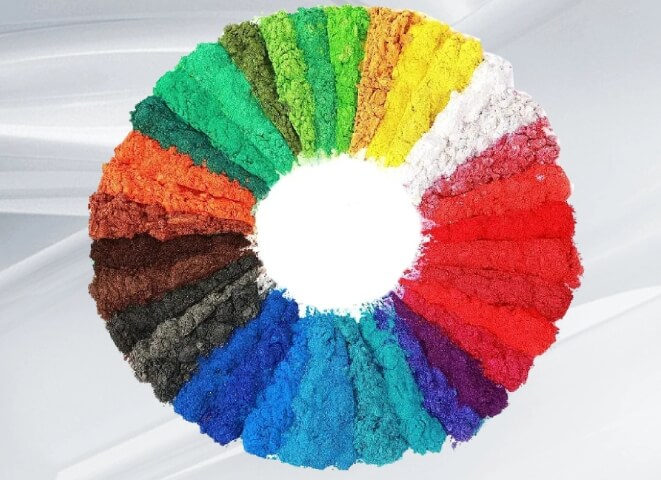
Dynasty Chemicals is a major Chinese supplier of specialty chemicals and dyes, pigments.Today, our 800+ products covers 19 categories,like vat dyes, acid dyes, sulphur dyes and etc.There are even more color options, such as red, orange, yellow, green, blue, violet, brown and black.
3. Contact Us
Dynasty Chemicals is committed to providing state-of-the-art, environmentally friendly textile dyeing solutions that add a unique competitive edge to your business. If you are interested in learning more about our products or partnership opportunities, please feel free to contact our professional team.
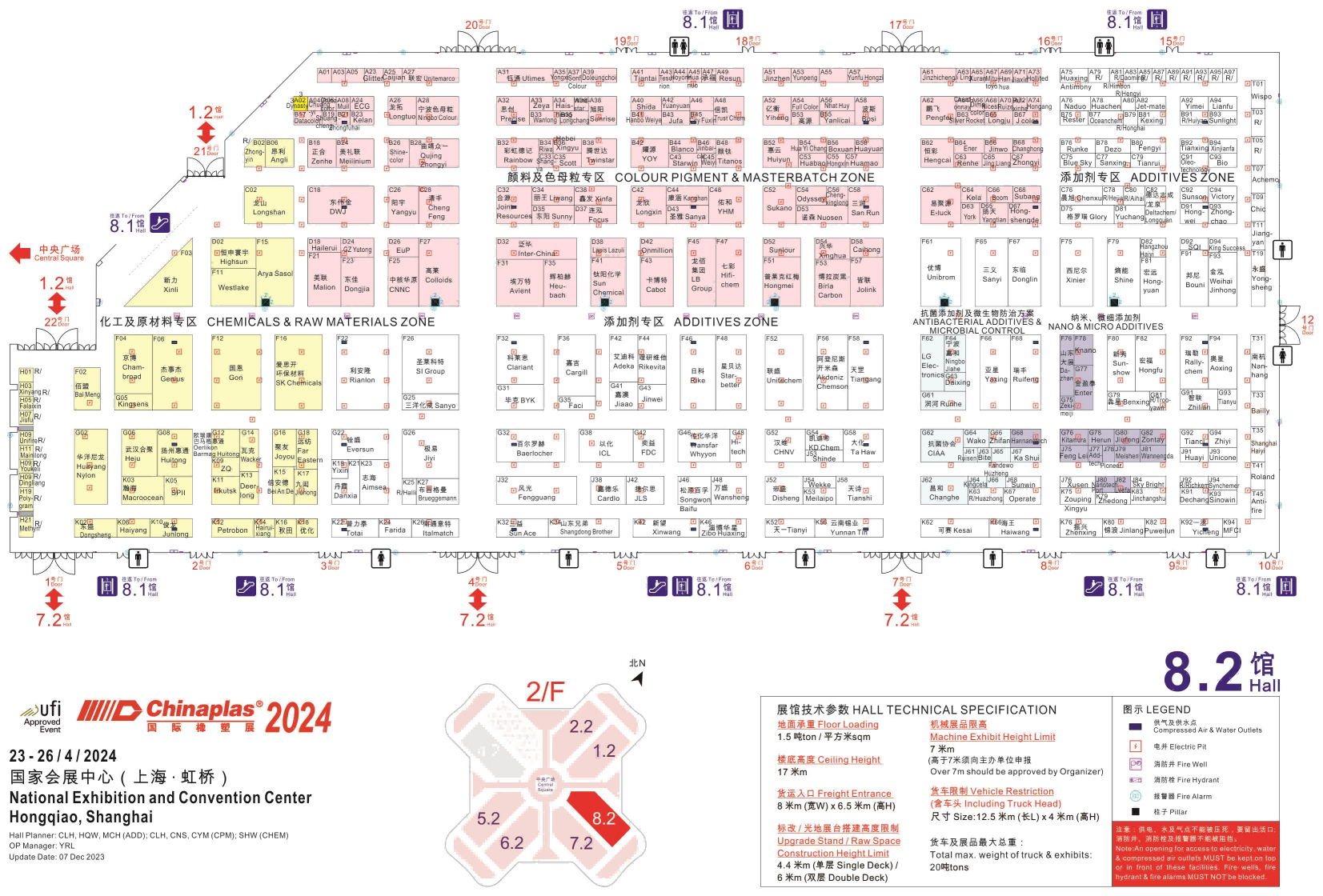 Dynasty Chemicals @ Chinaplas 2024, Shanghai
 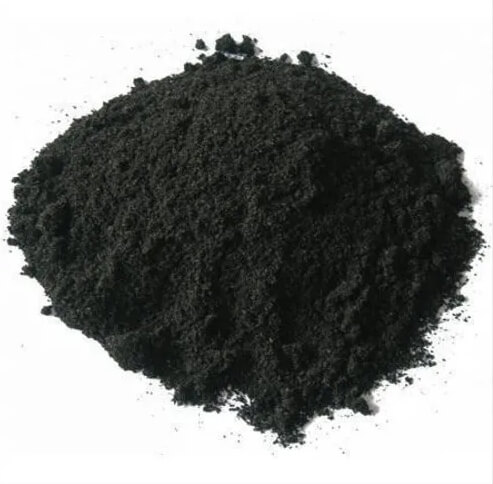 Versatile Uses of Acid Black Dyes
 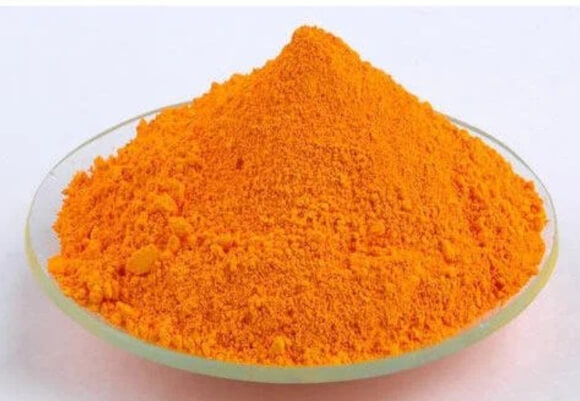 Classification and Application of Vat Orange Dyes
  Chemical Properties of CAS 9002-89-5
  What Are The Common Fabric Dye Types And Textile Dyeing Techniques?
  Wool Yarn Dyes Demystified: The Mystery of the Art of Color
  How Do Synthetic Textile Dyes Differ From Natural Textile Dyes?
  Behind Colorfast Dyes: The Science of Lasting Color
  Insights Into Dye For Denim Jeans
  What Is Polyvinyl Alcohol Used For
 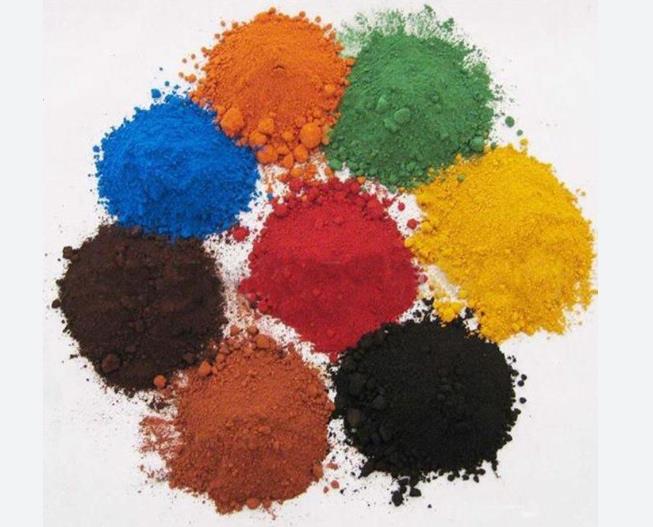 Discover the Multiple Uses of Sulphur Dyes
  Basic Knowledge of Cationic Dyes
  Vat Dye Dyeing Process
  Eco-Friendly Properties of Acid Dyes
  What is the difference between mordant and vat dyes?
 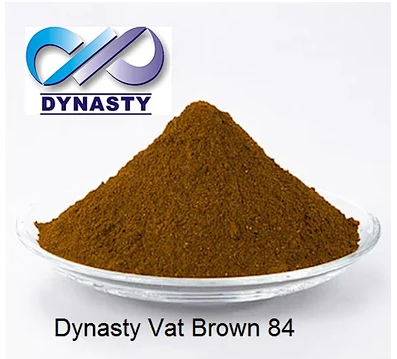 What is dispersed dye and what are the classifications of dispersed dyes
 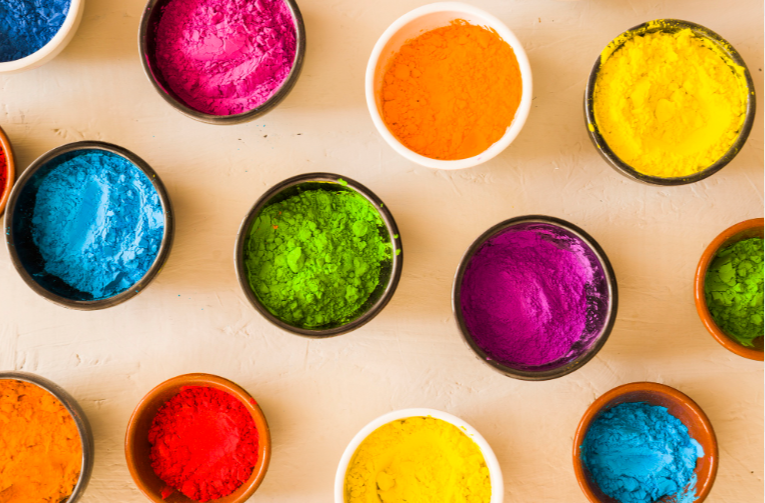 Classification and Selection Principles of Dyes
 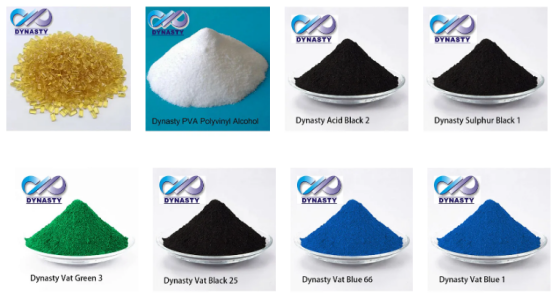 How to choose dyes for your industry?
 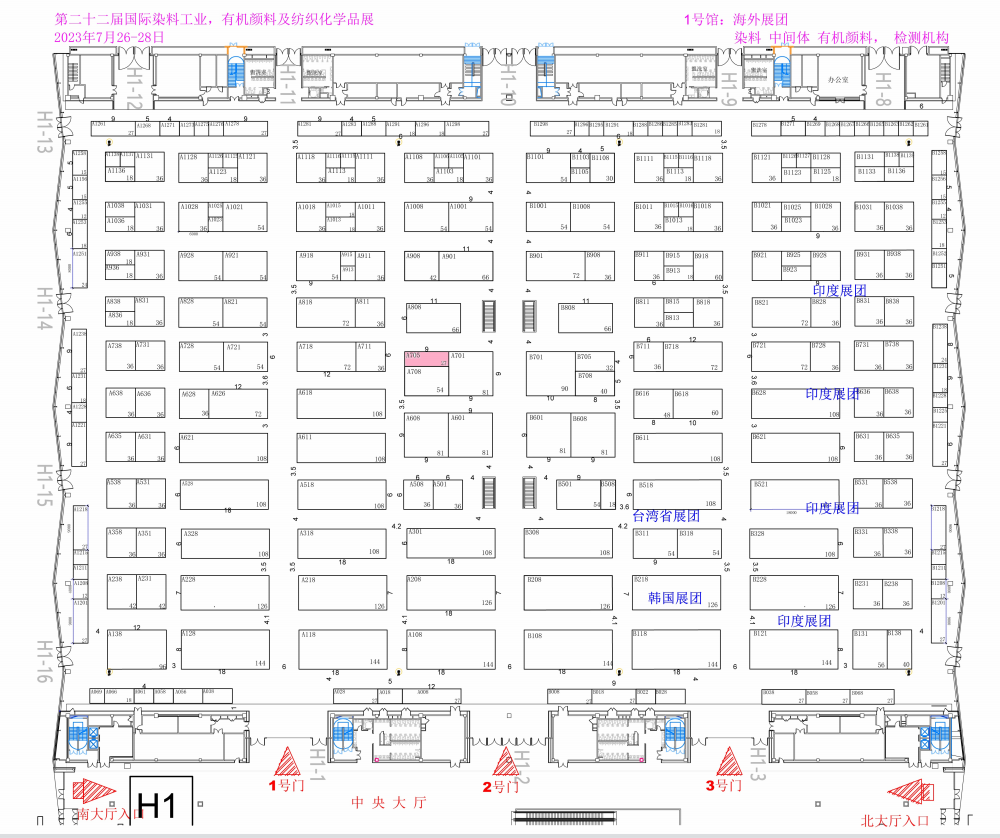 2023 Dynasty Chemicals @ China Interdye 2023, Shanghai
  The History and Development of Dyes