
Insights Into Dye For Denim Jeans
- The Origin and History of Jeans
Jeans are one of the classics of the fashion world and they hold a special place whether on the streets, catwalks or movie screens. The story of jeans can be traced back to 19th century America. They were originally designed as rugged workwear for miners and cowboys in the American West. Back then, there was a need for durable and stain-resistant trousers that could handle tough working conditions. These early jeans were made of canvas, usually a natural cotton color of blue. This blue natural dye gave jeans their unique look and laid the foundation for later dyeing techniques.
Over time, jeans have gradually become a symbol of fashion culture. In the early 20th century, jeans entered the mass market and were no longer just workwear. In the 1930s, famous jeans brands such as Levi's and Wrangler came to prominence and began producing products with unique designs and durability. Jeans from this period were still predominantly blue, but as dyeing techniques improved, the colors of jeans became more diverse.
The 1960s and 1970s were the heyday of jeans, as they became a symbol of rebellion, freedom and style. The dyeing of jeans has become more diverse, with various shades starting to appear, from dark blue to light blue to black jeans dye. Many jeans brands also emerged during this period, each trying to be innovative in terms of colors and dyes.
Today, the history of jeans has evolved into an indispensable fashion and cultural symbol. From classic blue to a wide range of colors, Dye for denim jeans have come a long way. More than just clothing, they are a symbol of freedom, adventure and individuality.
- Preparation and Technology of Dye for Denim Jeans
The unique properties and diversity of dye for denim jeans result from the careful preparation of the dyes and dyeing methods.
Preparation of jeans colour dye
The dye for denim jeans is artificial and prepared through precise chemical reactions. The most common type is indigo jean dye, an organic dye widely used in the manufacture of blue jeans. Synthetic indigo dye has excellent color stability and lightfastness, allowing jeans to remain fade-free for years.
The preparation of jeans colour dye involves precise recipes and chemical reactions that ensure the dyes are bright and long-lasting. During the preparation process, other chemicals and auxiliaries are also used to ensure the quality and suitability of the dye. Different types of dyes can produce different colors, such as black denim dye, white jean dye as well as other shades.
Dyeing technology
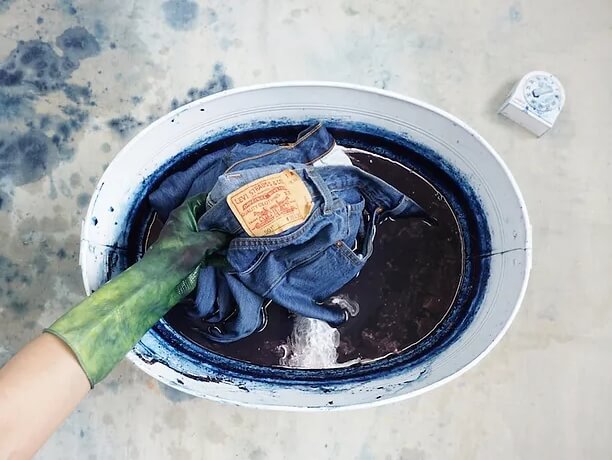
The dyeing process of jeans usually uses soak dyeing technology. The jeans fabric is soaked in dye, ensuring that the dye penetrates evenly into the fibers. The fabric is then dried, washed and finished to ensure color stability and dye fastness.
In recent years, other dyeing technologies have emerged, such as inkjet dyeing and environmentally friendly dyeing. These new technologies are designed to reduce the use of water and chemicals to reduce environmental impact. Inkjet dyeing uses ink sprayed onto fabric, while eco-dying uses safer and more environmentally friendly dyes and processes.
- Persistence and Innovation in Dye for Denim Jeans
The importance of persistence
Jeans are often part of everyday wear, so the durability of their color is crucial. Traditionally, it was believed that jeans should have a durable color that would not fade easily. This persistence plays a key role in the selection and preparation of jeans dyes.
Synthetic indigo dyes, permanent black dye for jeans, generally have excellent durability. These dyes make the color less likely to fade by bonding deeply with the fibers. In addition, dyed jeans also need to undergo a color fixing process to ensure that the color lasts.
A promise that never fades
Jeans brands often offer a "fadefast" promise, which means their products will stand the test of time and use, retaining their vibrant color. This commitment is a clear demonstration of dye durability and is one of the key factors in consumer purchasing decisions.
To deliver on their promise of colorfastness, jeans manufacturers use high-quality dyes and processes to ensure color stability. This includes using the most advanced dye technology and preparation processes to ensure long-lasting color.
Innovative dye technology
In recent years, new innovative technologies have emerged in the field of jeans dyes. Some manufacturers are looking for more environmentally friendly dye methods to reduce water and chemical use. At the same time, some new technologies are also designed to improve the durability of dyes.
For example, a new type of dye technology called persistent dyes improves the durability of colors by improving the structure of the dye molecules and increasing their binding force to fibers. Not only does this technology make the jeans more durable, it also helps reduce dye consumption.
- Impact and future trends of Dye for Denim Jeans
Impact on the fashion industry
Jeans have always been a key element of the fashion industry, and dyeing is one of the decisive factors that give jeans their special look. The continuous innovation and development of dye For Denim Jeans has affected all aspects of fashion design, production and consumption.
Designers and brands can utilize a variety of colors and dye techniques to create unique jeans styles that meet the needs of different consumers. This creativity drives the fashion industry to continuously evolve, allowing it to adapt to different trends and styles.
The importance of sustainability
Some emerging technologies, such as environmentally friendly dyeing and the use of renewable energy, are expected to reduce the carbon footprint in dye preparation and dyeing processes. These efforts are in line with modern consumers' growing demand for sustainable fashion and are driving the fashion industry toward a more environmentally friendly direction.
Future trends
More dyeing technologies: Dynasty Chemicals will continue to look for more environmentally friendly dyeing methods to reduce dependence on water resources and chemicals.
Digital dyeing: The development of digital printing and dyeing technology will provide more creative space and provide designers and brands with more choices.
The Rise of Sustainable Fashion: Consumer demand for sustainable fashion will continue to drive the denim dye sector in a more environmentally friendly direction.
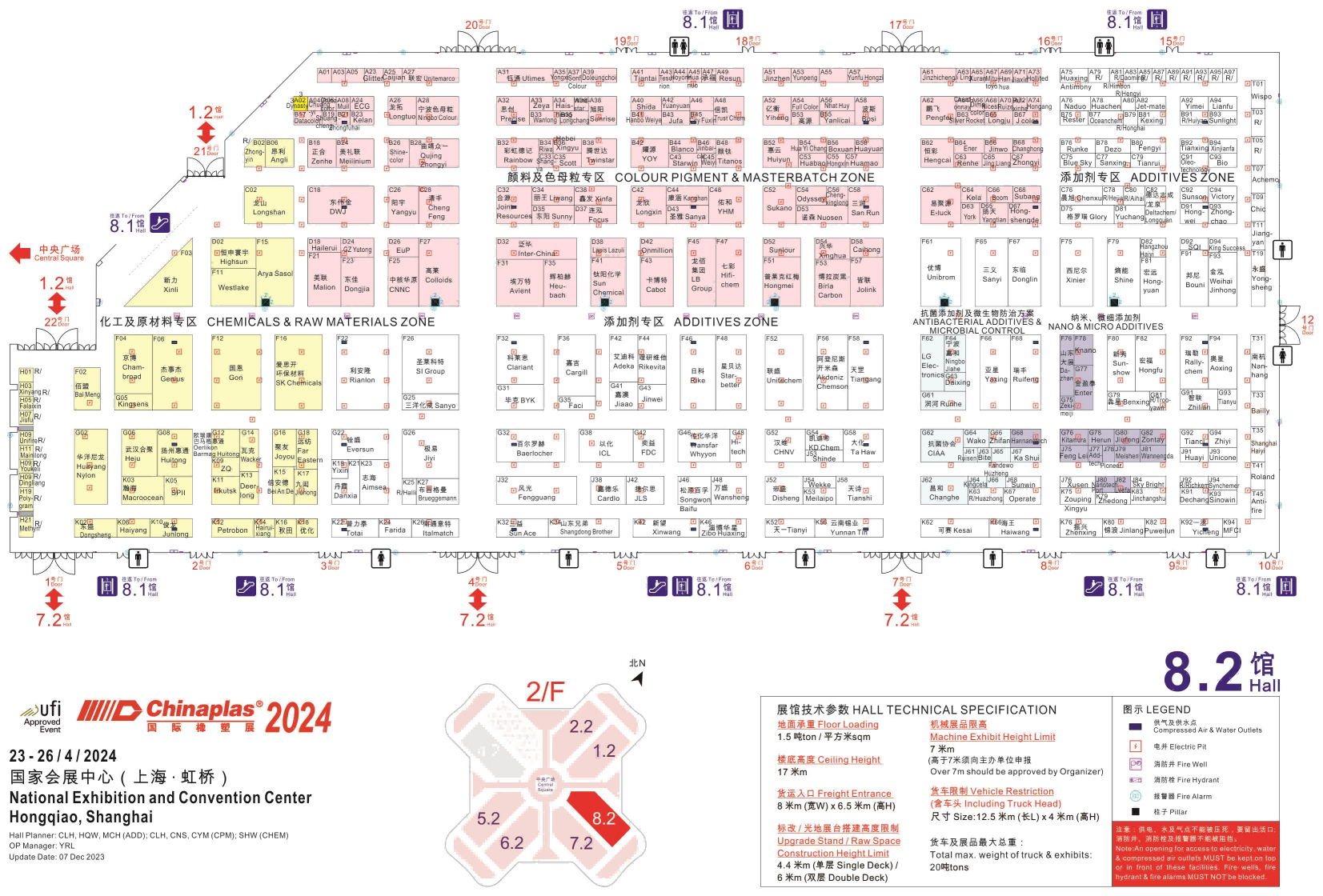 Dynasty Chemicals @ Chinaplas 2024, Shanghai
 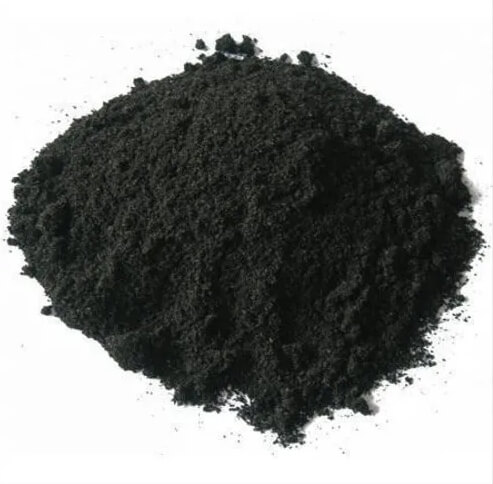 Versatile Uses of Acid Black Dyes
 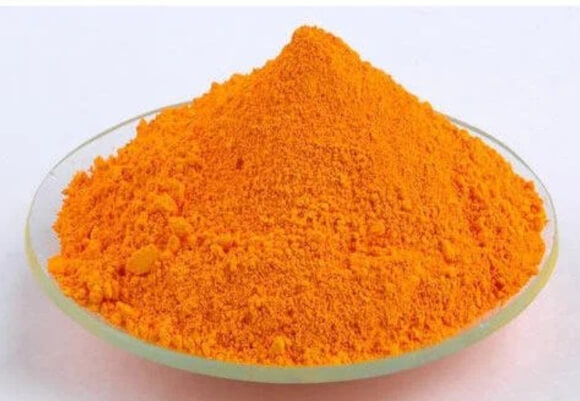 Classification and Application of Vat Orange Dyes
  Chemical Properties of CAS 9002-89-5
  What Are The Common Fabric Dye Types And Textile Dyeing Techniques?
  Wool Yarn Dyes Demystified: The Mystery of the Art of Color
  How Do Synthetic Textile Dyes Differ From Natural Textile Dyes?
  Behind Colorfast Dyes: The Science of Lasting Color
  Sustainable Environmentally Friendly Dyes For Textile
  What Is Polyvinyl Alcohol Used For
  Discover the Multiple Uses of Sulphur Dyes
  Basic Knowledge of Cationic Dyes
  Vat Dye Dyeing Process
  Eco-Friendly Properties of Acid Dyes
  What is the difference between mordant and vat dyes?
  What is dispersed dye and what are the classifications of dispersed dyes
  Classification and Selection Principles of Dyes
  How to choose dyes for your industry?
 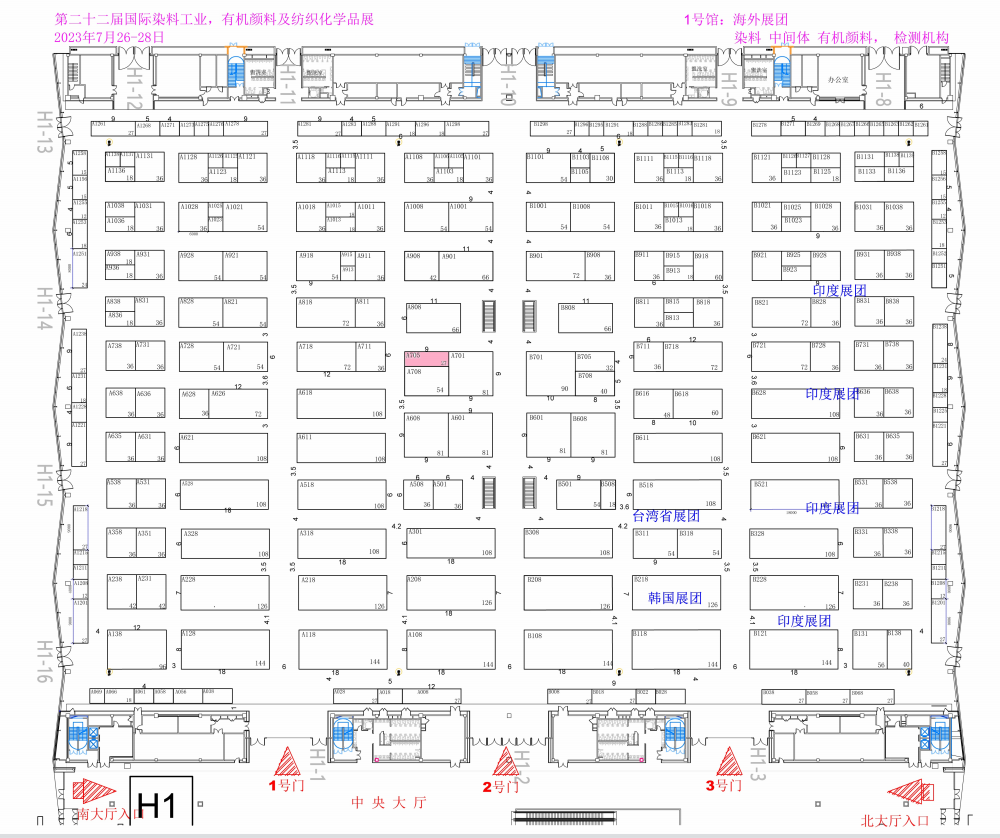 2023 Dynasty Chemicals @ China Interdye 2023, Shanghai
  The History and Development of Dyes