
How Do Synthetic Textile Dyes Differ From Natural Textile Dyes?
2023-11-02
Introduction to Synthetic Textile Dyes & Natural Textile Dyes
Dyes are substances used for coloring textiles and other materials, playing a crucial role in our everyday lives. Their history dates back to ancient civilizations, with ancient Egypt and China being early users of dyes to decorate textiles. In the past, natural dyes, sourced from plants, insects, and minerals, were the sole options. These natural textile dyes, while relatively simple to prepare, had limitations in color stability and availability.
Over time, the development of the chemical industry introduced synthetic dyes. Synthetic textile dyes are created through precise chemical synthesis processes, allowing for the exact control of color, chemical structure, and performance. This has enabled synthetic dyes to provide brighter and more durable colors.
The primary function of dyes is to embed color firmly into textiles, ensuring they remain vibrant even after repeated washing, exposure to sunlight, and everyday wear. To achieve this, dye molecules must have specific structures that enable interactions with fiber molecules, maintaining stability throughout the dyeing process.
Characteristics of Synthetic Textile Dyes
Synthetic textile dyes, which are chemically synthesized, have distinct features that make them a preferred choice in many applications.
Source and Manufacturing Process: Synthetic textile dyes are manufactured through precise chemical synthesis in laboratories or industrial chemical plants. This allows for the precise control of color, chemical structure, and performance to meet various needs.
Durability and Color Vibrancy: Synthetic fabric dyes are known for their durability and color vibrancy, as they resist fading even after multiple washes and exposure to sunlight. This makes them ideal for long-lasting textile products.
Color Fastness: Synthetic fabric dyes generally exhibit high color fastness, which means they remain stable under conditions such as washing, exposure to sunlight, and friction, without easy fading or transfer to other textiles.
Excellent Chemical Stability: Synthetic textile dyes usually resist acids, bases, oxidizing agents, and reducing agents, making them stable in various dyeing processes.
Wide Color Selection: The chemical synthesis process allows for the production of nearly any color dye, from bright primary colors to deep neutral tones, catering to diverse design and fashion requirements.
Cost-Effective: Due to large-scale industrial production, synthetic dyes are typically more cost-effective, making them attractive for mass textile manufacturing.

Characteristics of Natural Textile Dyes
Natural dyes, derived from sources like plants, insects, minerals, and more, offer unique characteristics:
Diversity of Sources: Natural textile dyes originate from a diverse range of sources, including plants, trees, barks, roots, insects, shells, and minerals. This diversity results in a wide array of colors.
Sustainability and Eco-Friendliness: Natural dyes are often considered a sustainable and eco-friendly choice. Their preparation typically avoids harmful chemicals and has a minimal environmental impact. Moreover, natural dyes are usually derived from renewable resources.
Color Depth and Natural Luster: Natural dyes frequently yield colors with a distinctive depth and a natural sheen, which can create unique texture and visual effects.
Cultural and Historical Value: Natural dyes hold significant historical and cultural value in different societies. They are extensively used in traditional textile crafts and arts, reflecting the cultural heritage of various regions.
Advantages in Specific Applications: For certain applications such as dyeing bandages, handcrafted textiles, and handicrafts, natural dye for synthetic fabric may be the preferred choice due to their ability to imbue products with unique character and value.

Synthetic Textile Dyes Vs. Natural Textile Dyes
- Color Vibrancy and Depth:
Synthetic Textile Dyes typically offer more vibrant and deeper colors due to their precise chemical structures, making them favored in fashion, sportswear, etc.
Natural textile dyes generally provide softer and more subtle colors, often unable to match the vibrancy and depth of synthetic dyes.
- Durability and Color Fastness:
Synthetic fabric dyes are known for higher durability and color fastness, retaining color stability even after multiple washes and extended exposure to sunlight. Natural fabric dyes may not perform as well in color retention and require more maintenance to preserve color stability.
- Sustainability and Eco-Friendliness:
Synthetic fabric dyes Manufacturing synthetic dyes may involve chemical synthesis and energy consumption, which can have some environmental impact, despite optimization in some modern processes.Natural fabric dyes typically seen as a more sustainable and eco-friendly choice as they are derived from renewable resources and the preparation process is less harmful to the environment.
- Cost-Effectiveness and Market Applications:
Synthetic Dyes: Cost-effective and suitable for large-scale industrial production, such as mass textile manufacturing.
Natural Dyes: Typically higher in cost and favored in high-end markets, special design requirements, and products with unique cultural values.
Choose the Proper Dyes
Project Nature: Are you manufacturing high-quality fashion garments or producing large quantities of industrial textiles? Different projects may require different types of dyes. Synthetic dyes often excel in color stability and cost-effectiveness for mass production, while natural dyes may be preferred for high-end and special design projects.
Color Requirements: If you seek bright, deep, and diverse colors, synthetic dyes are an excellent choice. However, if you aim for soft, natural, and naturally lustrous colors, natural dyes may be more suitable.
Sustainability and Environmental Concerns: If your project must meet sustainability standards and environmental requirements, natural dyes are typically preferred due to their renewable sourcing and eco-friendly preparation.
Cultural and Market Factors: Some projects may focus on traditional cultural values where natural dyes are favored. Certain markets may lean towards products dyed with natural dyes to convey an image of sustainability and organic production.
Dynasty Chemicals' Dye Products
We provide a wide range of synthetic and natural textile dyes options to meet various project requirements.Our dye products excel in color vibrancy, durability, and color fastness, ensuring your textiles maintain their quality over time. We offer sustainabledye products that align with your environmental needs. Our company provides personalized customer service, assisting you in choosing the most suitable dyes for your project, offering professional advice and technical support.
By choosing our synthetic textile dyes and natural textile dyes, you can ensure the success of your project, whether you're pursuing vibrant and colorful fashion designs or products with significant cultural value. We are committed to providing the highest quality dye solutions to meet your needs and enhance your products.
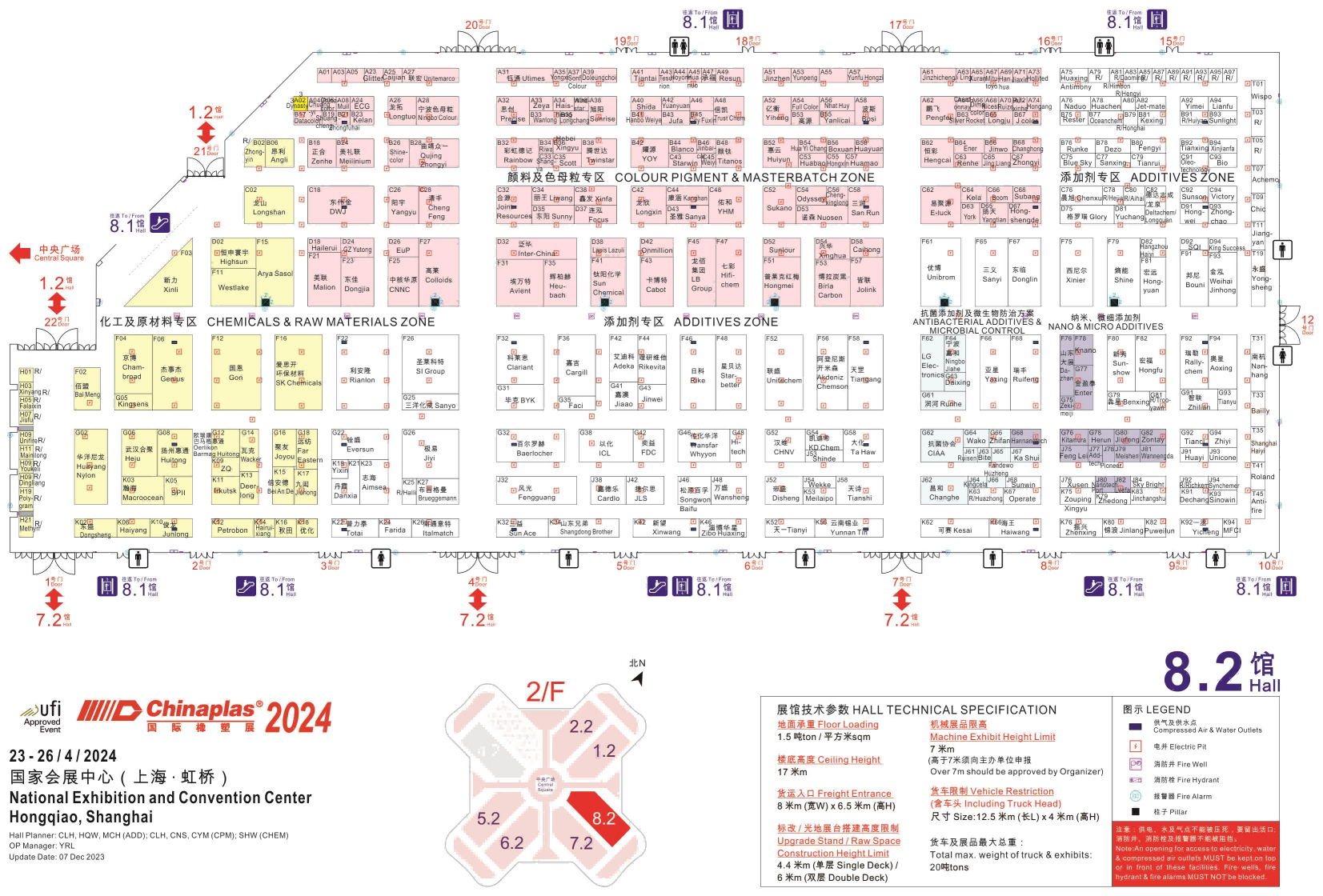 Dynasty Chemicals @ Chinaplas 2024, Shanghai
 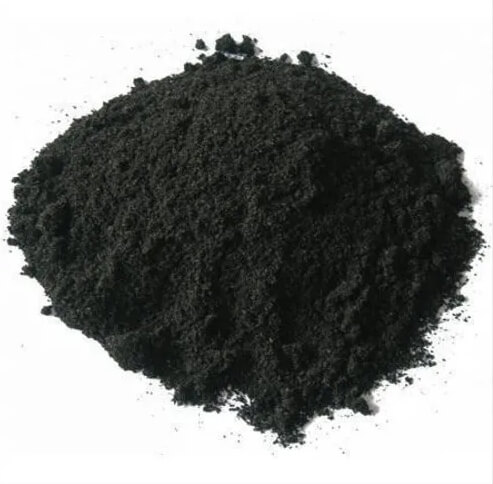 Versatile Uses of Acid Black Dyes
 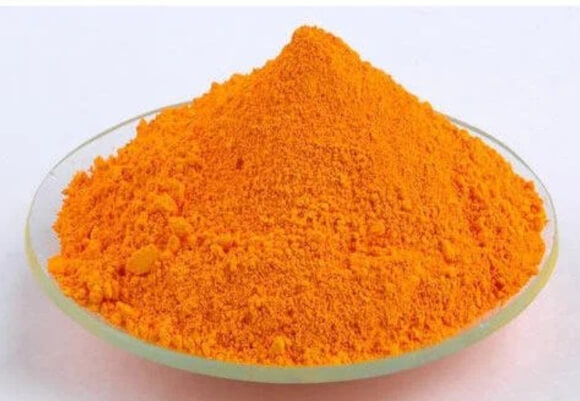 Classification and Application of Vat Orange Dyes
 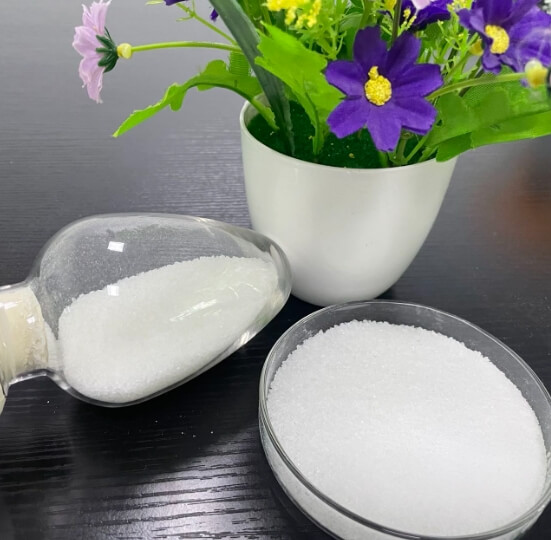 Chemical Properties of CAS 9002-89-5
 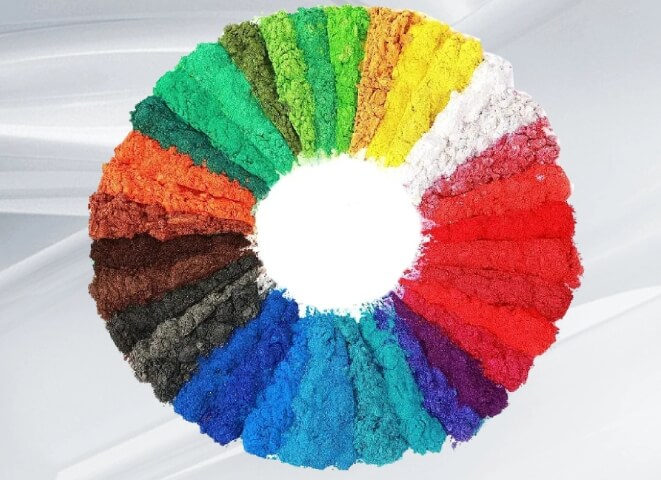 What Are The Common Fabric Dye Types And Textile Dyeing Techniques?
 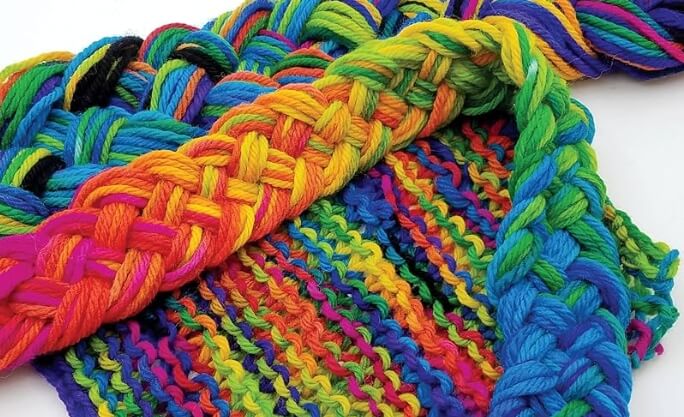 Wool Yarn Dyes Demystified: The Mystery of the Art of Color
 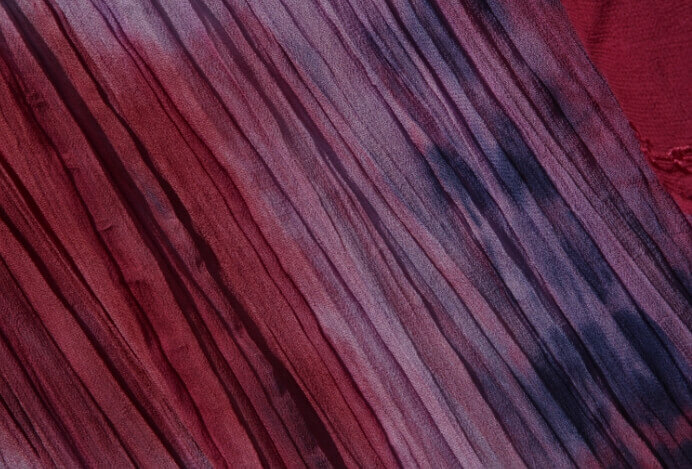 Behind Colorfast Dyes: The Science of Lasting Color
 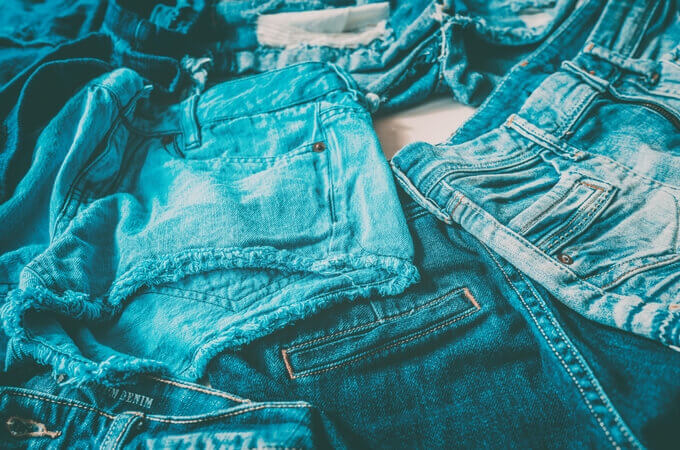 Insights Into Dye For Denim Jeans
  Sustainable Environmentally Friendly Dyes For Textile
  What Is Polyvinyl Alcohol Used For
  Discover the Multiple Uses of Sulphur Dyes
  Basic Knowledge of Cationic Dyes
  Vat Dye Dyeing Process
  Eco-Friendly Properties of Acid Dyes
  What is the difference between mordant and vat dyes?
  What is dispersed dye and what are the classifications of dispersed dyes
 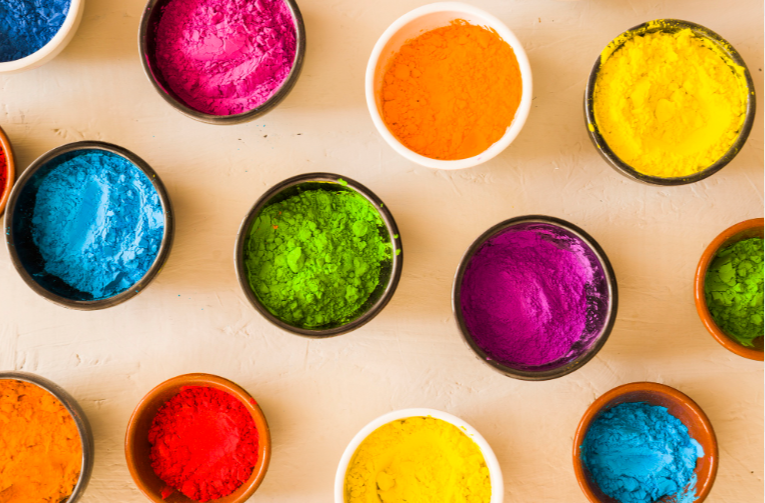 Classification and Selection Principles of Dyes
 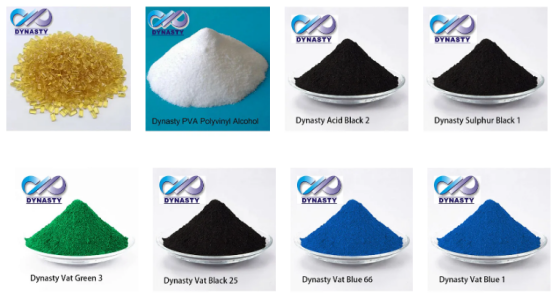 How to choose dyes for your industry?
 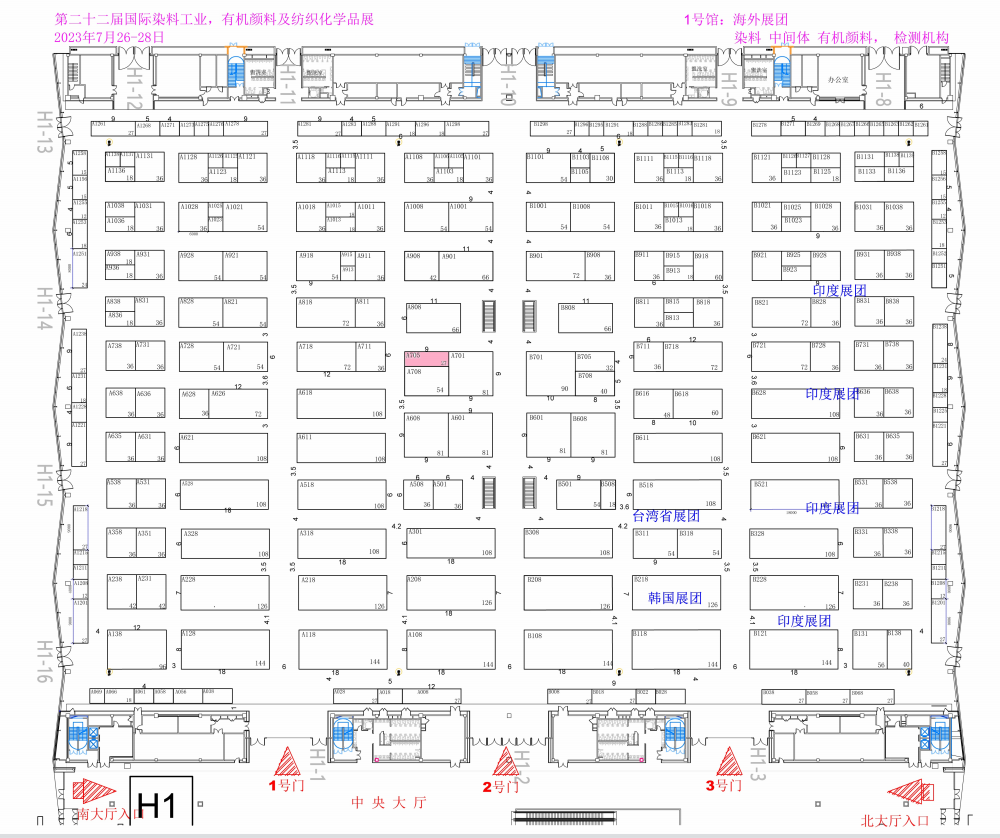 2023 Dynasty Chemicals @ China Interdye 2023, Shanghai
  The History and Development of Dyes