
Wool Yarn Dyes Demystified: The Mystery of the Art of Color
When we talk about wool yarn dyes, we enter a colorful world of art that is filled with a long history and tradition. Wool yarn dyeing is an ancient art that spans thousands of years and carries the rich heritage and creativity of human culture.
The importance of wool yarn dye lies not only in its beauty but also in its cultural and historical value. Wool dyes have been used to create clothing, decorations and works of art at different times and places in human history. From the silks of ancient Egypt to the satins of ancient India, from the knightly accoutrements of medieval Europe to the silk cultures of East Asia, wool dyes have always played an important role.
History and Tradition of Wool Yarn Dyes
Wool yarn dyes are an area that is closely linked to human civilization and culture. In ancient times, the techniques of making and using dyes were usually secret traditions, and only a few experts knew how to obtain and apply them. These experts were usually dyers or dyers who held a special position in society. These techniques were passed down through word of mouth, usually between masters and apprentices.
Wool yarn dyeing traditions are unique to different regions and cultures. In ancient Egypt, ivory, cyanobacteria and flowers were used to dye wool, creating vibrant colors. Ancient India, on the other hand, featured indigo dyes and wood dyes, creating a unique color style. In ancient Greek and Roman times, purple was considered an aristocratic color, and purple dyes were often made from valuable shells and insects.
Medieval Europe also had its own dye traditions, using plants, insects and minerals to create dyes. These dyes gave equipment and clothing a deep color that reflected the social status and cultural values of the time. Meanwhile, the Silk Road trade in East Asia facilitated the spread of different dyes and techniques, creating a diverse range of wool dye styles.
In modern times, although the techniques of dye making and application have improved, traditions are still maintained in some regions and cultures. Some places still use ancient dye methods such as Japanese indigo dyeing, Indian wood dyeing and Turkish mordanting. These traditional methods provide jobs for local communities while preserving cultural heritage.
Making and Crafting Wool Yarn Dyes
Selection of raw materials
The making of wool yarn dyes begins with the selection of raw materials. Different dyes require different raw materials, which can usually be categorized as follows:
Vegetable dyes: Vegetable dyes usually come from the roots, leaves, flowers, fruits or bark of plants. For example, polygonum, blueberries, and walnut shells can be used to make plant dyes.
Insect dyes: Insect dyes are mainly color pigments extracted from the bodies of insects, such as indigo dye produced by silkworm moths.
Mineral dyes: Mineral dyes are derived from minerals, such as rust and copper salts, which give wool its deep color.
Animal dyes: Some dyes come from animal secretions, such as dyed shells and eel gelatin, which are used to make violet dyes.
Dye-making process
The process of making dyes varies depending on the type of dye, but usually involves the following steps:
Extraction: Raw materials are processed to extract the color pigments. This may involve grinding, boiling, fermentation or other chemical treatments.
Impregnation or soaking: Wool fibers are soaked in the dye to ensure an even distribution of color.
Fixation: The dyes are heat-treated or a fixative is added to ensure that the color adheres firmly to the wool and does not fade easily.
Washing: After the dye treatment, the wool must be carefully washed and rinsed to remove excess dye and impurities.
Drying: Finally, the dyed wool is usually dried in the sun or in a warm environment to ensure color stability.
Passing on the Technique
The art of dyeing is usually passed down in families or communities and preserved through generations. The master dyers usually have many years of experience and know how to select raw materials, master every detail of the dyeing process, and create unique color effects.
The Art of Color: Application of Wool Yarn Dyes
Wool Yarn Dyes in Fashion
Wool yarn dyes play a vital role in the fashion industry. Fashion designers often use wool dyes to create custom colors for different seasons and styles. These dyes can be applied to wool fibers to create a variety of garments, from fall and winter jackets to spring and summer dresses. The dyes also can be used in the creation of jewelry and accessories such as wool scarves, hats and gloves.
Applications in arts and crafts
Artists and craftsmen also use wool dyes extensively. Dyes can be applied to wool felted products for a variety of decorative items and artwork. Wet felting and dry felting techniques combine with dyeing to create paintings and sculptures rich in texture and color. In addition, some artists use wool dyes to create abstract or realistic works on canvas.
Home Textiles and Decoration
In addition to fashion and art, wool dyes play a key role in home textiles and décor. They are used to create wool rugs, cushions, curtains and bedding that bring warmth and comfort to the home environment. These products often reflect the rich colors and textures of the dyes, making home spaces more personal.
Cultural heritage and innovation
Wool dyes continue to expand their applications while retaining their traditional cultural values. In some cultures, the use of dyes is closely associated with traditional dress, decoration and ornamentation, and is part of the cultural heritage. At the same time, modern technology and innovation are driving the application areas of dyes, including the development of digital printing and sustainable dye technologies.

Wool Yarn Dyes from Dynasty Chemicals
As a leader in wool dyes, Dynasty Chemicals has always been committed to providing high quality, innovative and sustainable dye solutions. Our line of wool dyes includes an impressive variety of options to meet a wide range of needs and ideas.
Product Features
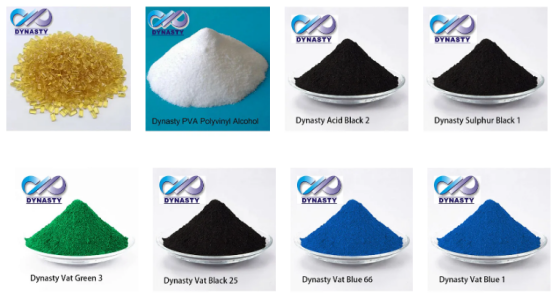
Rich Color Options: Dynasty Chemicals' line of wool dyes features a wide range of vibrant and deep colors, from bright oranges to soft blue wool dye and black wool dye, to meet a variety of creative and design needs.
Colorfastness: Our dyes are known for their excellent colorfastness, ensuring that dyed wool fibers remain vibrant and colorfast after many washes.
Eco-friendly: We care about the environment, so our wool dyes are manufactured using eco-friendly manufacturing methods that minimize the adverse impact on the environment. This is part of our commitment to sustainable development.
Easy to use: Our dyes are very easy to use for professional dyers and crafters. We also provide detailed instructions for use to ensure you get the best dyeing results.
Quality Assurance
Dynasty Chemicals' wool dye products undergo strict quality control to ensure that each product is of exceptional quality. We work with professional dyers to continually improve and innovate in order to provide the most advanced dye technology available.
If you are interested in Dynasty Chemicals' wool yarn dyes products, you can get more information and purchase options through our official website or by contacting our customer service department. We look forward to sharing our innovation and passion with you to help you achieve creative and design excellence in the field of wool dyes.
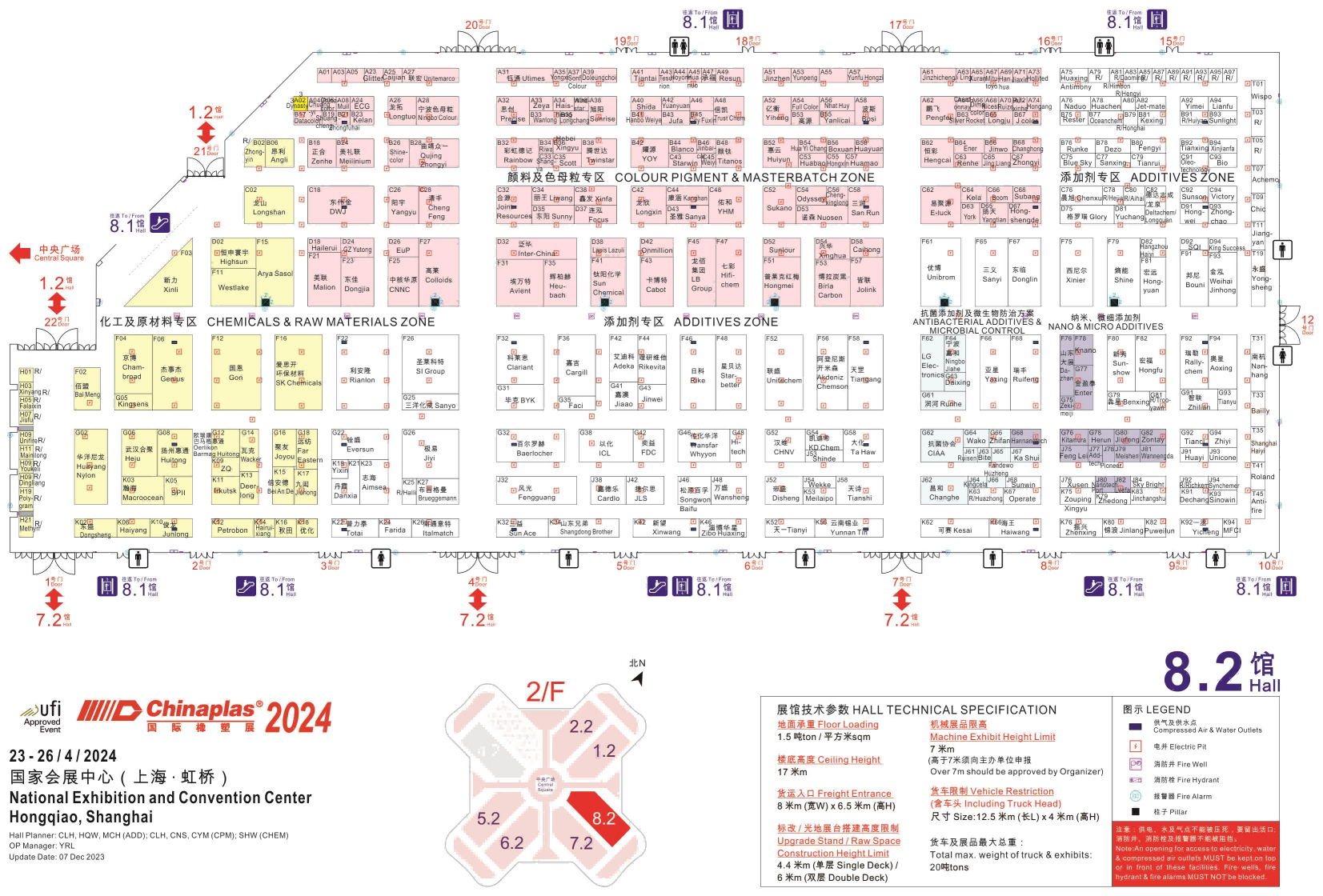 Dynasty Chemicals @ Chinaplas 2024, Shanghai
 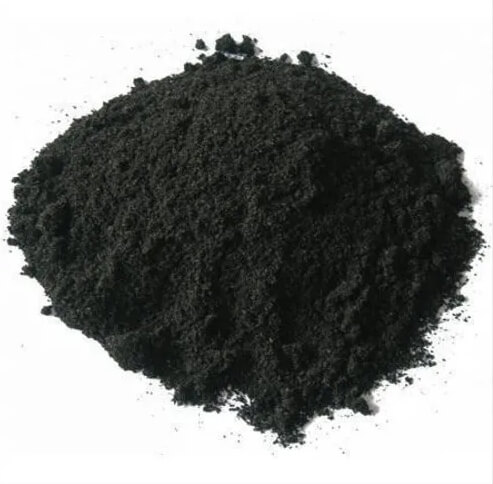 Versatile Uses of Acid Black Dyes
 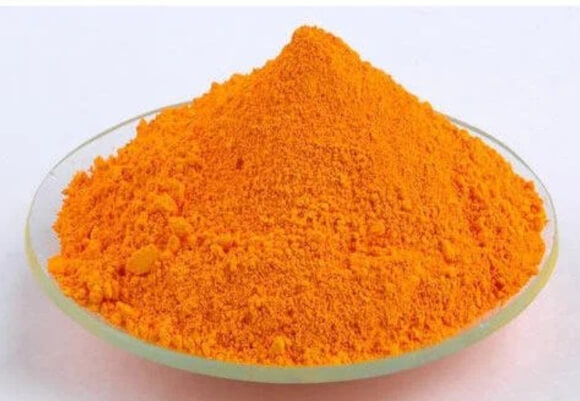 Classification and Application of Vat Orange Dyes
 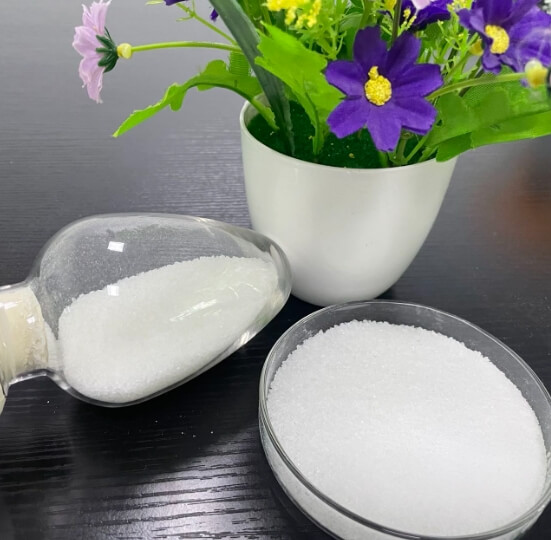 Chemical Properties of CAS 9002-89-5
 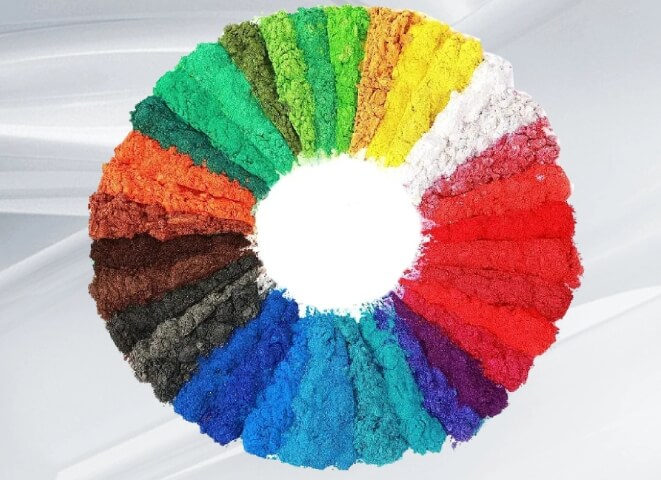 What Are The Common Fabric Dye Types And Textile Dyeing Techniques?
 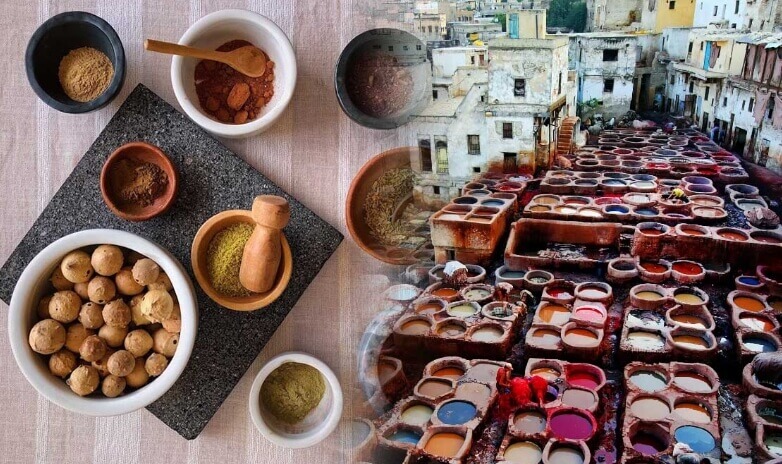 How Do Synthetic Textile Dyes Differ From Natural Textile Dyes?
 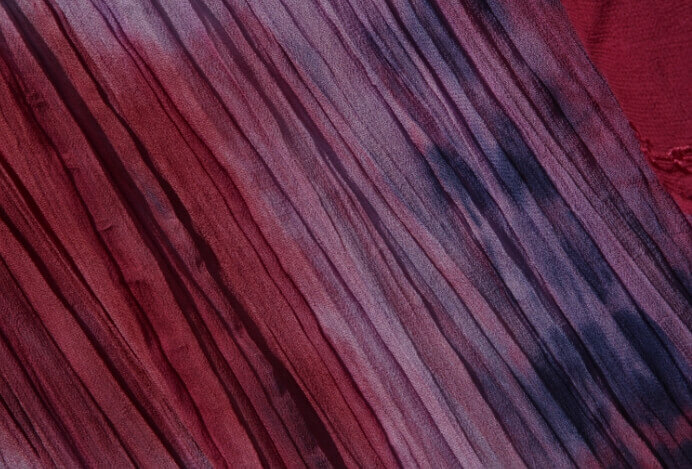 Behind Colorfast Dyes: The Science of Lasting Color
  Insights Into Dye For Denim Jeans
 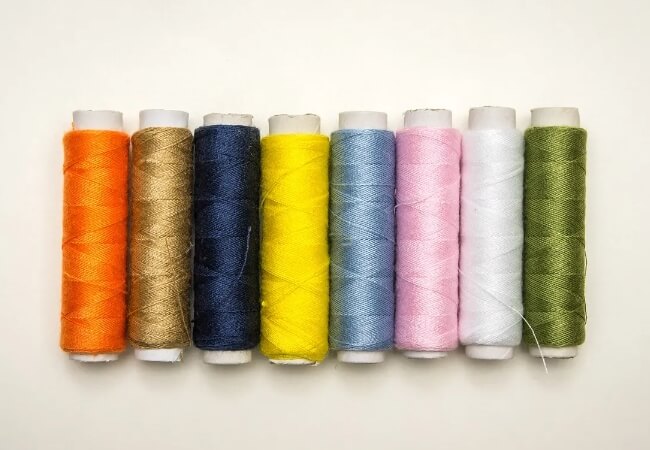 Sustainable Environmentally Friendly Dyes For Textile
  What Is Polyvinyl Alcohol Used For
  Discover the Multiple Uses of Sulphur Dyes
  Basic Knowledge of Cationic Dyes
  Vat Dye Dyeing Process
 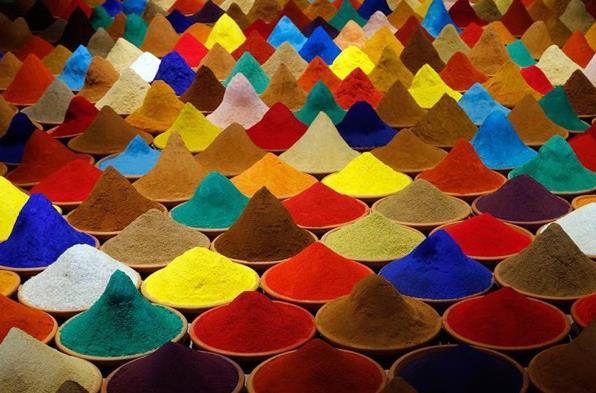 Eco-Friendly Properties of Acid Dyes
 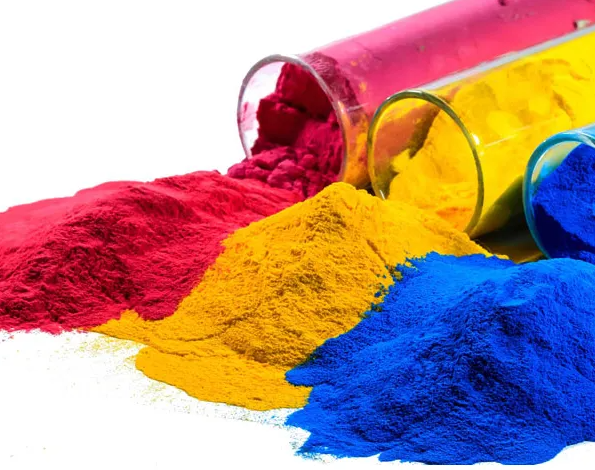 What is the difference between mordant and vat dyes?
 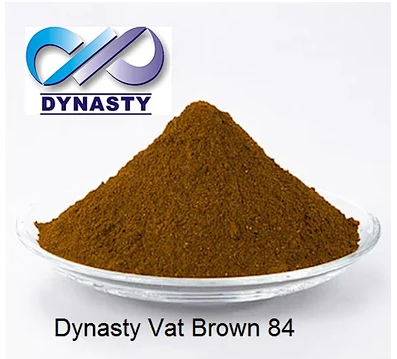 What is dispersed dye and what are the classifications of dispersed dyes
 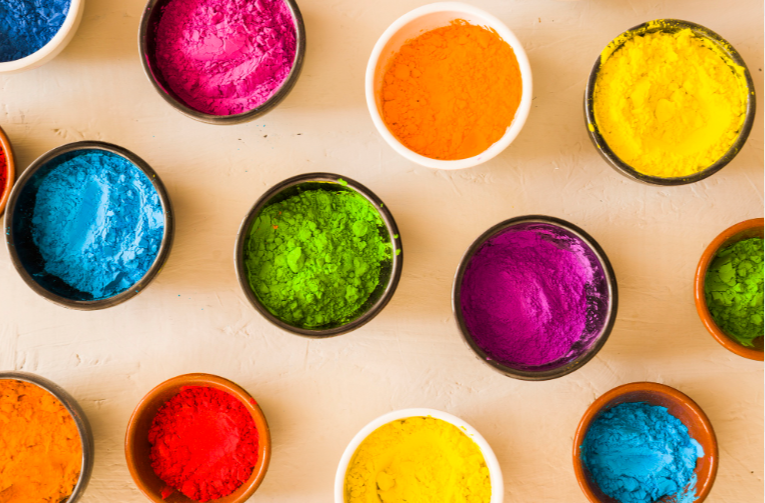 Classification and Selection Principles of Dyes
  How to choose dyes for your industry?
  2023 Dynasty Chemicals @ China Interdye 2023, Shanghai
  The History and Development of Dyes