What is the difference between mordant and vat dyes?
2023-08-25
Mordant dyes and vat dyes are two distinct types of dyes used in the textile industry, and they differ in their chemical nature, application process, and colorfastness properties. Here's an overview of the differences between mordant dyes and vat dyes:
Mordant Dyes:
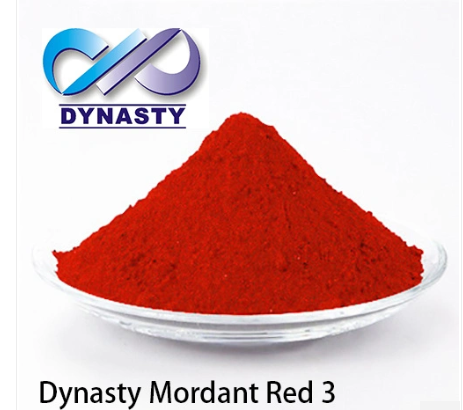
1.Chemical Nature: Mordant dyes are a class of dyes that require the use of a mordant, which is a substance that helps fix the dye to the textile fibers. Mordants are typically metallic salts, such as aluminum, iron, or chromium salts. The mordant forms a chemical bond with both the dye and the fibers, enhancing colorfastness.
2.Usage: Mordant dyes are typically used for dyeing natural fibers like cotton, wool, and silk. They are often employed for dyeing solid and pale shades.
3.Mordants: Common mordants used in this process include alum, iron salts, chrome salts, and tannic acid. These mordants help fix the dye to the fabric, improve colorfastness, and sometimes modify the hue of the final color.
4.Application Process: Mordant dyes are applied to the fabric through a two-step process. First, the fabric is treated with the mordant, which forms a chemical complex with the fiber. Then, the fabric is immersed in a dye bath, and the dye is absorbed and bound to the mordant on the fabric.
5.Color Range: Mordant dyes can produce a wide range of colors, and the choice of mordant influences the final color achieved. Different mordants can result in different shades or variations of a particular dye color.
6.Colorfastness: Mordant dyes generally offer good to excellent colorfastness. The mordant helps improve the dye's resistance to fading, washing, and light exposure. The resulting color is often durable and less prone to fading compared to direct dyes.
Vat Dyes:

1.Chemical Nature: Vat dyes are a class of dyes that are insoluble in water. They are derived from natural or synthetic sources and require a complex chemical process to convert them into a soluble form for dyeing. Vat dyes are typically reduced to a water-soluble form using strong reducing agents.
2.Application Process: Vat dyes require a multi-step dyeing process. The fabric is first immersed in a reducing agent bath, which converts the vat dye to a soluble form. The fabric is then exposed to air, where the dye is oxidized and becomes insoluble, permanently attaching to the textile fibers.
3.Usage: Vat dyes are commonly used for dyeing natural fibers like cotton and wool. They are known for their excellent colorfastness and ability to produce vibrant and deep shades.
4.Color Range: Vat dyes are known for their wide color range, especially in shades of blue, green, and brown. They can achieve deep and vibrant hues that are difficult to obtain with other dye types.
5.Colorfastness: Vat dyes offer excellent colorfastness. The dye forms strong chemical bonds with the textile fibers, resulting in exceptional resistance to fading, washing, and light exposure. Vat-dyed fabrics tend to retain their colors well over time.
6.Oxidation: After dyeing, the fabric is exposed to air, which causes the leuco compound to oxidize and revert to its original insoluble form, effectively "locking" the dye into the fabric.
In summary, mordant dyes require the use of metallic salts (mordants) to fix the dye to the fabric, while vat dyes require a complex reduction and oxidation process to make them soluble and insoluble, respectively. Mordant dyes offer a wide color range with good colorfastness, while vat dyes provide a wide color range with excellent colorfastness and durability.
About Dynasty Chemicals
Dynasty Chemicals is a major Chinese supplier of specialty chemicals and dyes, pigments.Today, we are shipping more than 5000mt products to customers all over the world annually,Look forward to becoming your most professional dye supplier.
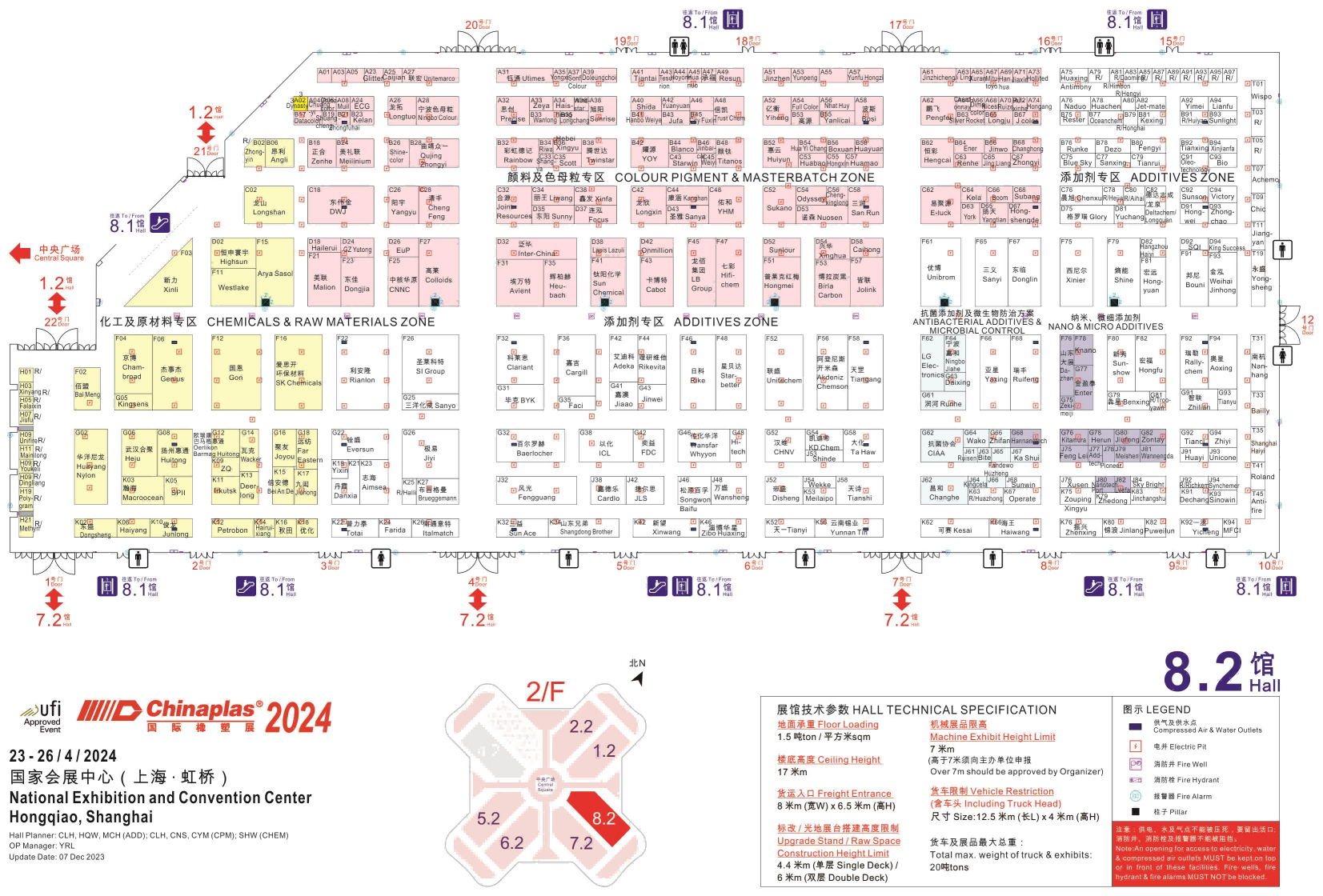 Dynasty Chemicals @ Chinaplas 2024, Shanghai
  Versatile Uses of Acid Black Dyes
  Classification and Application of Vat Orange Dyes
  Chemical Properties of CAS 9002-89-5
  What Are The Common Fabric Dye Types And Textile Dyeing Techniques?
  Wool Yarn Dyes Demystified: The Mystery of the Art of Color
  How Do Synthetic Textile Dyes Differ From Natural Textile Dyes?
  Behind Colorfast Dyes: The Science of Lasting Color
  Insights Into Dye For Denim Jeans
  Sustainable Environmentally Friendly Dyes For Textile
  What Is Polyvinyl Alcohol Used For
  Discover the Multiple Uses of Sulphur Dyes
  Basic Knowledge of Cationic Dyes
  Vat Dye Dyeing Process
  Eco-Friendly Properties of Acid Dyes
  What is dispersed dye and what are the classifications of dispersed dyes
  Classification and Selection Principles of Dyes
  How to choose dyes for your industry?
 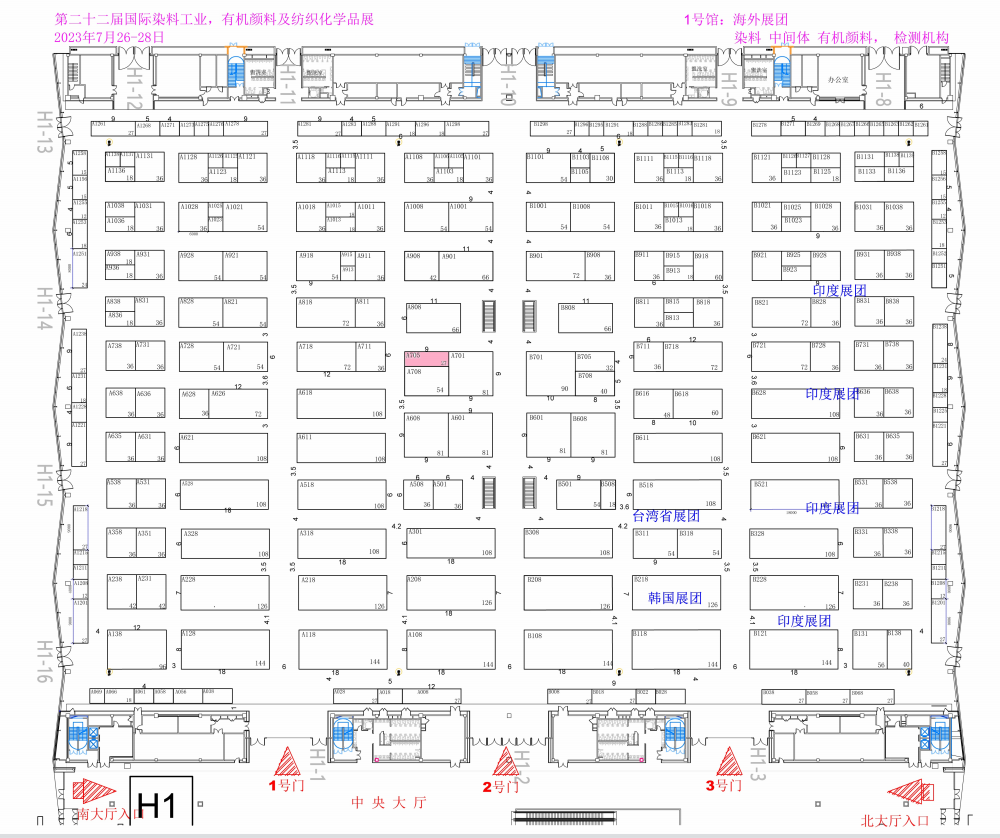 2023 Dynasty Chemicals @ China Interdye 2023, Shanghai
  The History and Development of Dyes