How to choose dyes for your industry?
2023-08-21
Choosing dyes for your industry involves several considerations to ensure that the dyes you select meet the requirements and specifications of your products. Here's a step-by-step guide to help you make informed decisions:
Define Your Requirements:
Clearly outline your specific dyeing needs. Consider factors such as the type of material (e.g., fabric, plastic, paper), intended application (e.g., clothing, packaging, printing), desired color range, colorfastness requirements, and any regulatory standards that must be met.
Familiarize yourself with the different types of dyes available, such as natural dyes, synthetic dyes, and pigments. Each type has its own characteristics, advantages, and limitations.
If environmental sustainability is a concern for your industry, opt for eco-friendly and low-impact dyes. Some dyes are manufactured using environmentally responsible processes and have minimal environmental impact.
Depending on the application, consider the required level of colorfastness and durability. Some dyes may fade quickly when exposed to sunlight or washing, while others are designed to be more resilient.
Before committing to a particular dye, perform thorough testing and sampling. Test the dye on a small batch of your product to assess color accuracy, fastness, and any potential issues.
Reach out to dye manufacturers or suppliers. They can provide valuable information about their products, including technical specifications, application methods, and compatibility with different materials.
Ensure that the selected dyes comply with relevant industry standards and regulations. Depending on your location and industry, there may be restrictions on certain types of dyes due to health, safety, or environmental concerns.
Factor in the cost of the dyes and associated dyeing processes. Cheaper dyes might not always provide the desired quality or longevity, so balance cost with performance.
Consider the long-term availability of the chosen dyes. You don't want to run into supply chain issues or discontinuation of a dye that is critical to your product line.
Different materials require different dyeing techniques and dyes. Ensure that the chosen dyes are compatible with the materials you are using, and that they achieve the desired results without compromising the material's integrity.
If you're unsure about the best dyes for your industry, consider consulting with experts in dyeing, color chemistry, or materials science. They can provide valuable insights based on their expertise.
After implementing a particular dye in your industry, gather feedback from your customers and internal teams. Continuous improvement and adaptation are important to ensure that the chosen dyes meet evolving requirements and expectations.
ACID DYES
SULPHUR DYES
1)
Research Dye Types:
Familiarize yourself with the different types of dyes available, such as natural dyes, synthetic dyes, and pigments. Each type has its own characteristics, advantages, and limitations.
Consider Environmental Impact:
If environmental sustainability is a concern for your industry, opt for eco-friendly and low-impact dyes. Some dyes are manufactured using environmentally responsible processes and have minimal environmental impact.
Colorfastness and Durability:
Depending on the application, consider the required level of colorfastness and durability. Some dyes may fade quickly when exposed to sunlight or washing, while others are designed to be more resilient.
Testing and Sampling:
Before committing to a particular dye, perform thorough testing and sampling. Test the dye on a small batch of your product to assess color accuracy, fastness, and any potential issues.
Consult Suppliers:
Reach out to dye manufacturers or suppliers. They can provide valuable information about their products, including technical specifications, application methods, and compatibility with different materials.
Regulatory Compliance:
Ensure that the selected dyes comply with relevant industry standards and regulations. Depending on your location and industry, there may be restrictions on certain types of dyes due to health, safety, or environmental concerns.
Cost Analysis:
Factor in the cost of the dyes and associated dyeing processes. Cheaper dyes might not always provide the desired quality or longevity, so balance cost with performance.
Long-Term Availability:
Consider the long-term availability of the chosen dyes. You don't want to run into supply chain issues or discontinuation of a dye that is critical to your product line.
Compatibility with Materials:
Different materials require different dyeing techniques and dyes. Ensure that the chosen dyes are compatible with the materials you are using, and that they achieve the desired results without compromising the material's integrity.
Consult Experts:
If you're unsure about the best dyes for your industry, consider consulting with experts in dyeing, color chemistry, or materials science. They can provide valuable insights based on their expertise.
Feedback and Continuous Improvement:
After implementing a particular dye in your industry, gather feedback from your customers and internal teams. Continuous improvement and adaptation are important to ensure that the chosen dyes meet evolving requirements and expectations.
Remember that selecting the right dyes involves a combination of technical knowledge, practical testing, and a thorough understanding of your industry's specific needs.
About Dynasty Chemicals
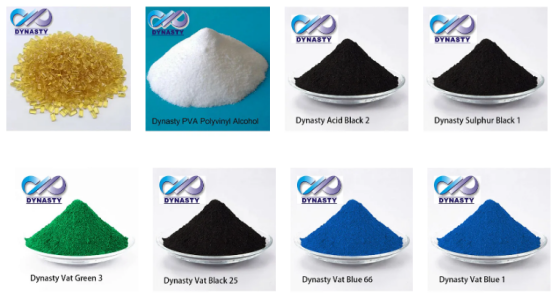
A few popular products
VAT DYES
1)
Vat Green 3
Model NO.:Vat Olive Green
1)
Vat Green 3
Model NO.:Vat Olive Green
2)
Vat Black 25
Model NO.:Vat Olive T
Vat Black 25
Model NO.:Vat Olive T
3)
Vat Blue 66
Model NO.:Vat Blue CLF
Vat Blue 66
Model NO.:Vat Blue CLF
ACID DYES
1)Acid Black 2
Model NO.:Acid Nigrosine
Model NO.:Acid Nigrosine
SULPHUR DYES
1)
Sulphur Black BR
Model NO.:Dynasul Black B
Model NO.:Dynasul Black B
BASIC/CATIONIC DYES
1)
1)
Basic Black SD-FBL
Model NO.:Basic Black SD-
Model NO.:Basic Black SD-
2)Basic Navy Blue SD-BRL
Model NO.:Basic Navy Blue
Model NO.:Basic Navy Blue
Dynasty Chemicals is a major Chinese supplier of specialty chemicals and dyes, pigments.Today, we are shipping more than 5000mt products to customers all over the world annually, with global presence in more than 50 countries.We are a professional supplier of dyes, if you need, please feel free to contact us.
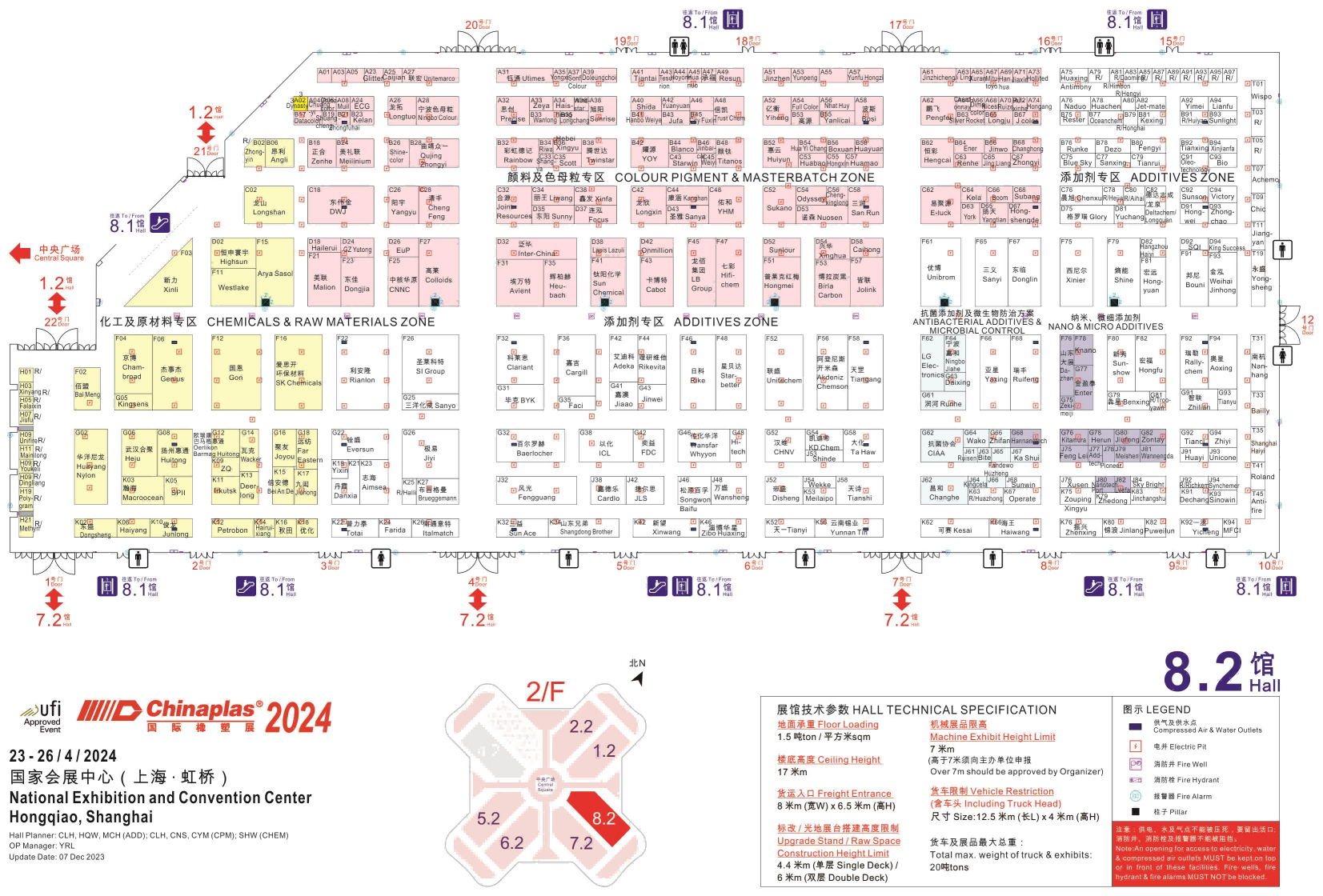 Dynasty Chemicals @ Chinaplas 2024, Shanghai
 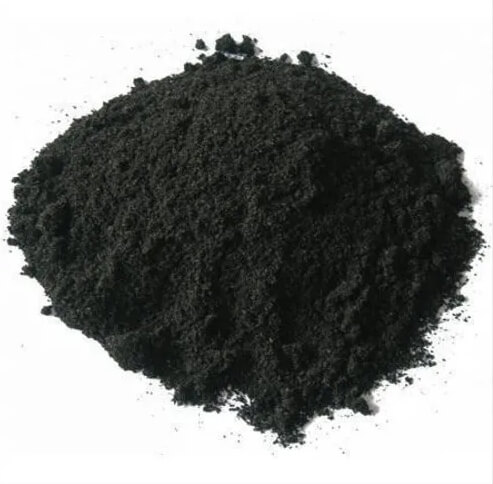 Versatile Uses of Acid Black Dyes
 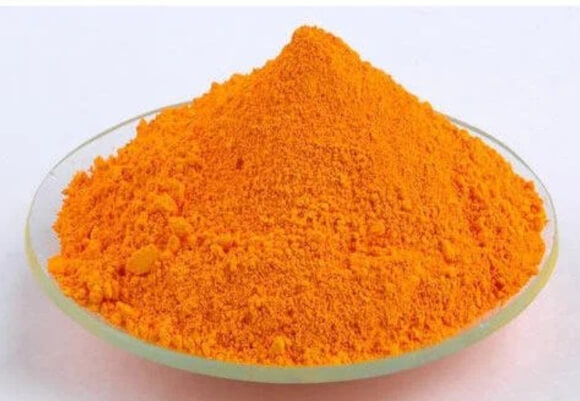 Classification and Application of Vat Orange Dyes
 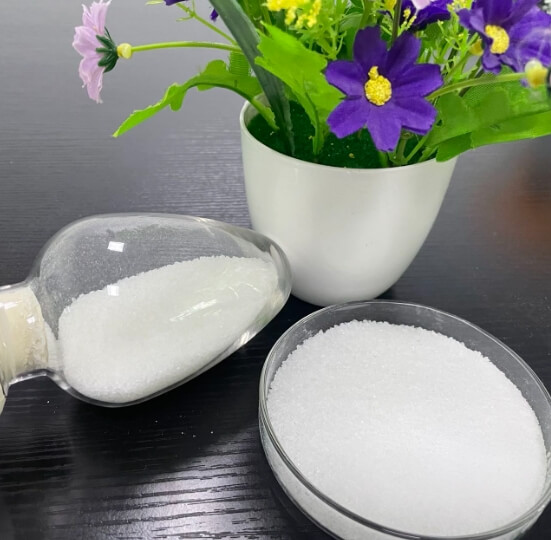 Chemical Properties of CAS 9002-89-5
 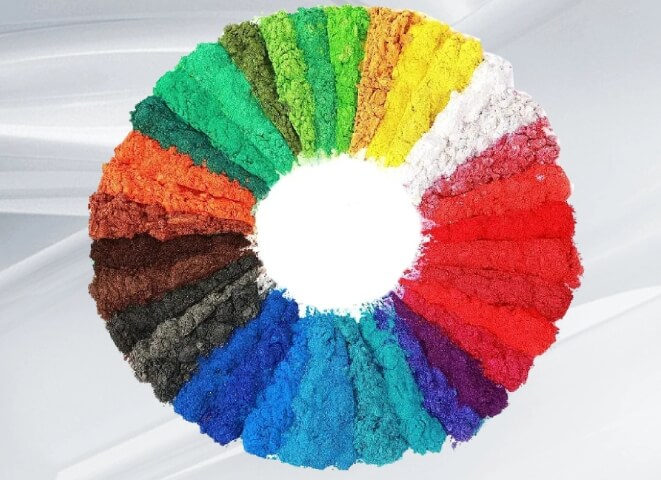 What Are The Common Fabric Dye Types And Textile Dyeing Techniques?
 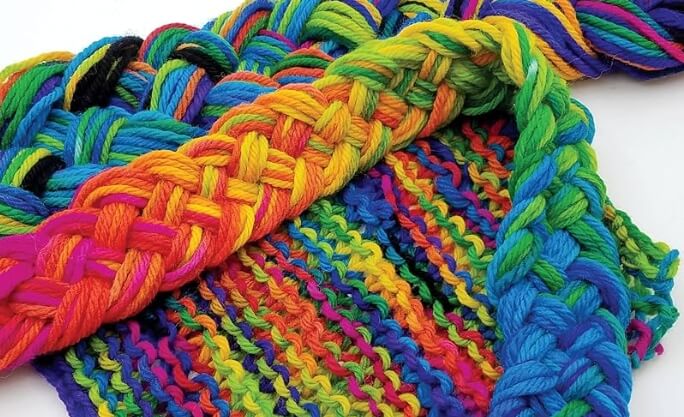 Wool Yarn Dyes Demystified: The Mystery of the Art of Color
  How Do Synthetic Textile Dyes Differ From Natural Textile Dyes?
  Behind Colorfast Dyes: The Science of Lasting Color
  Insights Into Dye For Denim Jeans
  Sustainable Environmentally Friendly Dyes For Textile
  What Is Polyvinyl Alcohol Used For
  Discover the Multiple Uses of Sulphur Dyes
  Basic Knowledge of Cationic Dyes
  Vat Dye Dyeing Process
  Eco-Friendly Properties of Acid Dyes
  What is the difference between mordant and vat dyes?
 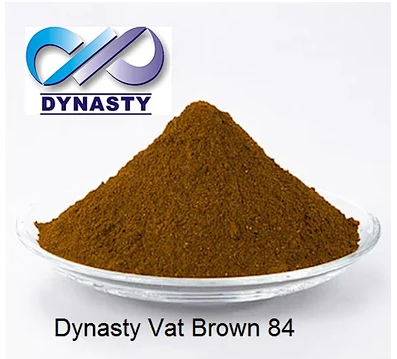 What is dispersed dye and what are the classifications of dispersed dyes
 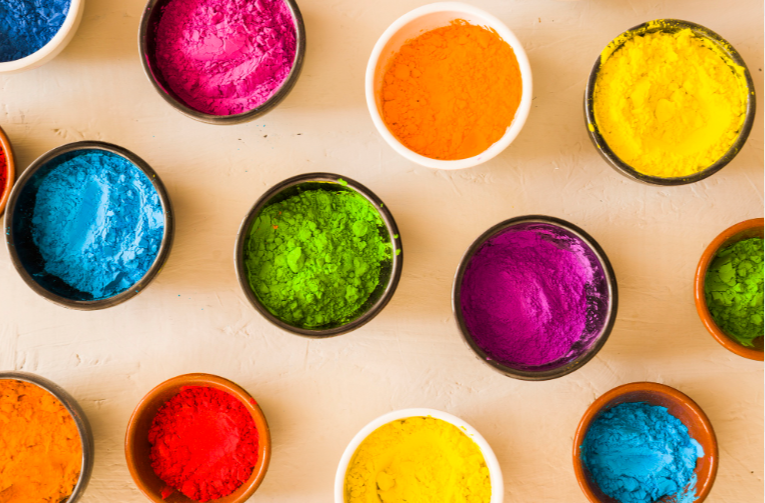 Classification and Selection Principles of Dyes
 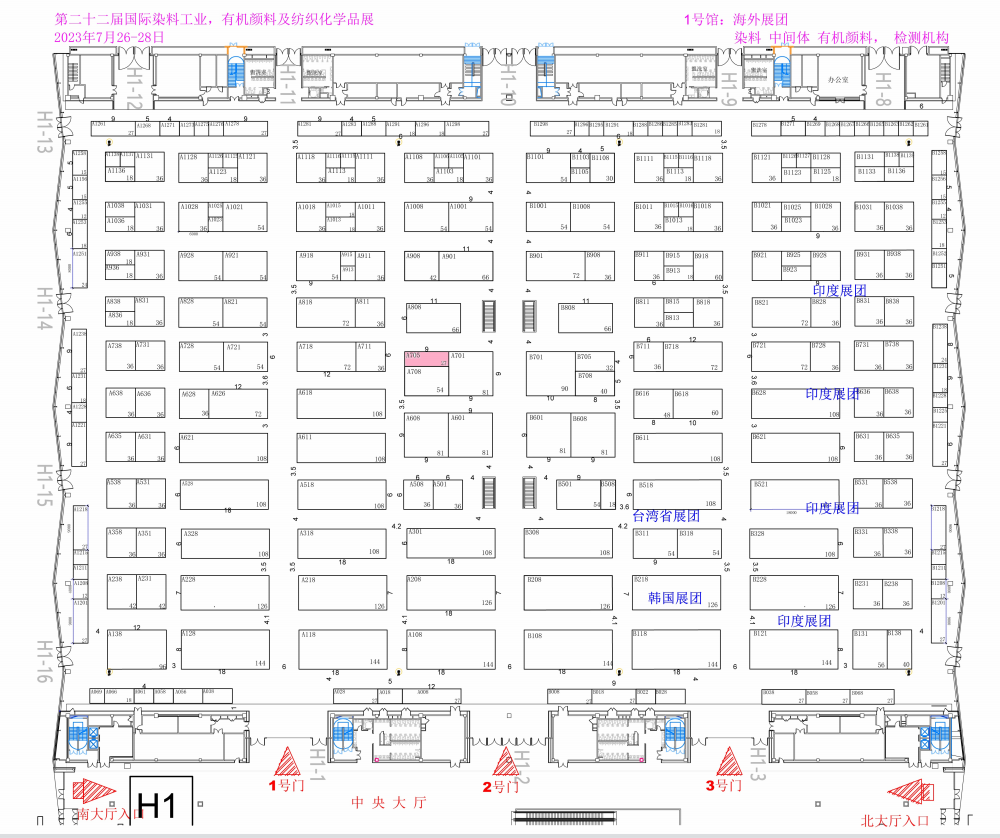 2023 Dynasty Chemicals @ China Interdye 2023, Shanghai
  The History and Development of Dyes