What is dispersed dye and what are the classifications of dispersed dyes
2023-08-24
Disperse Dyes: Overview and Classification
PART 01: Overview of Disperse Dyes
Disperse dyes are a significant and prominent category within the dye industry. These dyes are non-ionic and do not possess strong water-soluble groups. They are dispersed in the dyeing process and mainly used for dyeing polyester and its blends. They can also be applied to acetate, nylon, polypropylene, chlorofibre, and acrylic synthetic fibers.
Introduction:
Disperse dyes are dyes that are slightly soluble in water and achieve a highly dispersed state in water due to the action of dispersing agents. They lack water-soluble groups and have low molecular weights. Although they contain polar groups (such as hydroxyl, amino, hydroxyalkylamino, cyanoalkylamino, etc.) within their molecules, they remain non-ionic dyes. The processing of these dyes requires grinding in the presence of a dispersing agent to create highly dispersed and stable crystalline particles before usage. The dye solution of disperse dyes is a uniform and stable suspension.
Disperse dyes are dyes that are slightly soluble in water and achieve a highly dispersed state in water due to the action of dispersing agents. They lack water-soluble groups and have low molecular weights. Although they contain polar groups (such as hydroxyl, amino, hydroxyalkylamino, cyanoalkylamino, etc.) within their molecules, they remain non-ionic dyes. The processing of these dyes requires grinding in the presence of a dispersing agent to create highly dispersed and stable crystalline particles before usage. The dye solution of disperse dyes is a uniform and stable suspension.
Historical Background:
The production of disperse dyes began in 1922 by the German company Badische Anilin- und Soda-Fabrik (BASF) and was initially used for dyeing acetate and viscose fibers. Over time, they gained rapid development and became a major category of products in the dye industry, especially with the emergence of polyester fibers in the 1950s.
The production of disperse dyes began in 1922 by the German company Badische Anilin- und Soda-Fabrik (BASF) and was initially used for dyeing acetate and viscose fibers. Over time, they gained rapid development and became a major category of products in the dye industry, especially with the emergence of polyester fibers in the 1950s.
PART 02: Classification of Disperse Dyes
Classification by Molecular Structure:
Disperse dyes can be primarily categorized into azo, anthraquinone, and heterocyclic types based on their molecular structures. Among these, the azo type is the most common, further divided into single azo and double azo subtypes.
Classification by Application Performance:

PART 03: Relevant Terminology of Disperse Dyes
Color Fastness:
The ability of textile colors to resist various physical, chemical, and biochemical influences during dyeing, finishing, and use.
The ability of textile colors to resist various physical, chemical, and biochemical influences during dyeing, finishing, and use.
Standard Depth:
An accepted series of standard depths, with the medium depth defined as the 1/1 standard depth. Colors with the same standard depth are considered equal in terms of psychological perception, allowing color fastness comparisons. There are six standard depths: 2/1, 1/1, 1/3, 1/6, 1/12, and 1/25.
An accepted series of standard depths, with the medium depth defined as the 1/1 standard depth. Colors with the same standard depth are considered equal in terms of psychological perception, allowing color fastness comparisons. There are six standard depths: 2/1, 1/1, 1/3, 1/6, 1/12, and 1/25.
Dyeing Depth:
Expressed as the percentage of dye weight to fiber weight. The dye concentration varies with color shade. Generally, the dyeing depth is 1%, and it's 2% for navy blue and 4% for black.
Expressed as the percentage of dye weight to fiber weight. The dye concentration varies with color shade. Generally, the dyeing depth is 1%, and it's 2% for navy blue and 4% for black.
Color Change:
A change in color, lightness, or chroma of dyed fabric due to specific treatments, or a combination thereof.
A change in color, lightness, or chroma of dyed fabric due to specific treatments, or a combination thereof.
Staining:
The transfer of dye from dyed fabric to adjacent contacting fabric after treatment.
The transfer of dye from dyed fabric to adjacent contacting fabric after treatment.
Color Fastness Rating:
Based on color fastness testing, it assesses the degree of color change and staining of dyed fabric. Except for light fastness, which has eight levels (excluding AATCC standard light fastness), the rest use a five-level system. A higher level indicates better color fastness.
Based on color fastness testing, it assesses the degree of color change and staining of dyed fabric. Except for light fastness, which has eight levels (excluding AATCC standard light fastness), the rest use a five-level system. A higher level indicates better color fastness.
Carrier Fabric:
In color fastness testing, the white fabric processed together with dyed fabric to assess staining on adjacent fabrics.
In color fastness testing, the white fabric processed together with dyed fabric to assess staining on adjacent fabrics.
PART 04: Common Color Fastness of Disperse Dyes
Light Fastness:
The resistance of textile colors to artificial light exposure.
Wash Fastness:
The resistance of textile colors to various washing conditions.
The resistance of textile colors to various washing conditions.
Rub Fastness:
The resistance of textile colors to rubbing, including dry and wet rubbing fastness.
The resistance of textile colors to rubbing, including dry and wet rubbing fastness.
Sublimation Fastness:
The resistance of textile colors to sublimation due to heat.
The resistance of textile colors to sublimation due to heat.
Perspiration Fastness:
The resistance of textile colors to human perspiration, including acid and alkali perspiration fastness.
The resistance of textile colors to human perspiration, including acid and alkali perspiration fastness.
Smoking Fastness:
The resistance of textile colors to nitrogen oxides in smoke. For disperse dyes, especially anthraquinone-based ones, exposure to nitrogen monoxide and nitrogen dioxide can cause color change.
The resistance of textile colors to nitrogen oxides in smoke. For disperse dyes, especially anthraquinone-based ones, exposure to nitrogen monoxide and nitrogen dioxide can cause color change.
Heat Press Fastness:
The resistance of textile colors to ironing and roller processing.
The resistance of textile colors to ironing and roller processing.
Dry Heat Fastness:
The resistance of textile colors to dry heat treatment.
The resistance of textile colors to dry heat treatment.
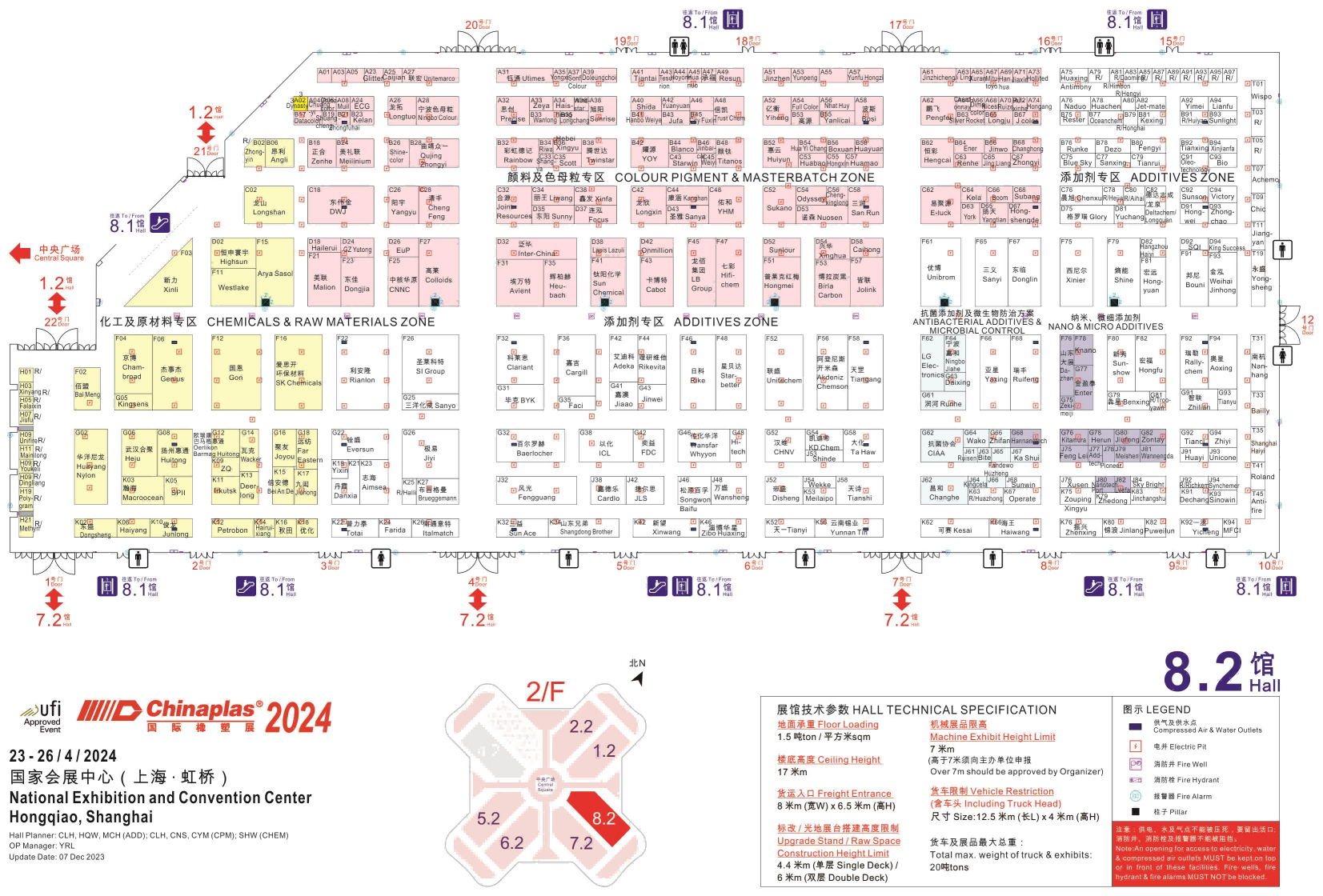 Dynasty Chemicals @ Chinaplas 2024, Shanghai
 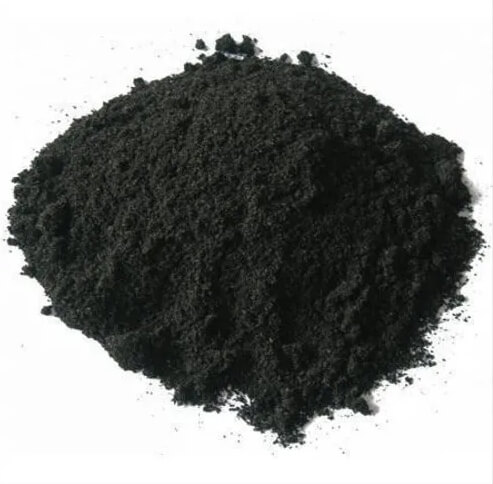 Versatile Uses of Acid Black Dyes
 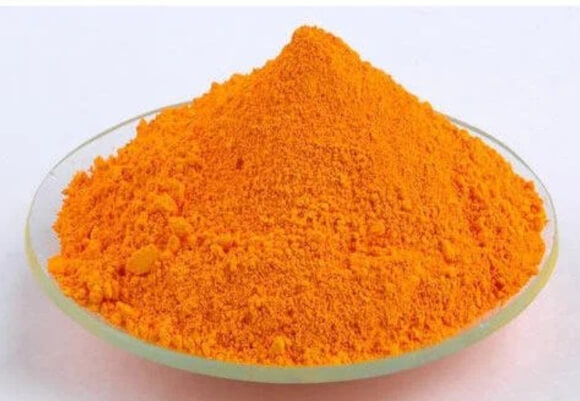 Classification and Application of Vat Orange Dyes
  Chemical Properties of CAS 9002-89-5
  What Are The Common Fabric Dye Types And Textile Dyeing Techniques?
  Wool Yarn Dyes Demystified: The Mystery of the Art of Color
  How Do Synthetic Textile Dyes Differ From Natural Textile Dyes?
  Behind Colorfast Dyes: The Science of Lasting Color
  Insights Into Dye For Denim Jeans
  Sustainable Environmentally Friendly Dyes For Textile
  What Is Polyvinyl Alcohol Used For
  Discover the Multiple Uses of Sulphur Dyes
  Basic Knowledge of Cationic Dyes
  Vat Dye Dyeing Process
  Eco-Friendly Properties of Acid Dyes
  What is the difference between mordant and vat dyes?
  Classification and Selection Principles of Dyes
  How to choose dyes for your industry?
 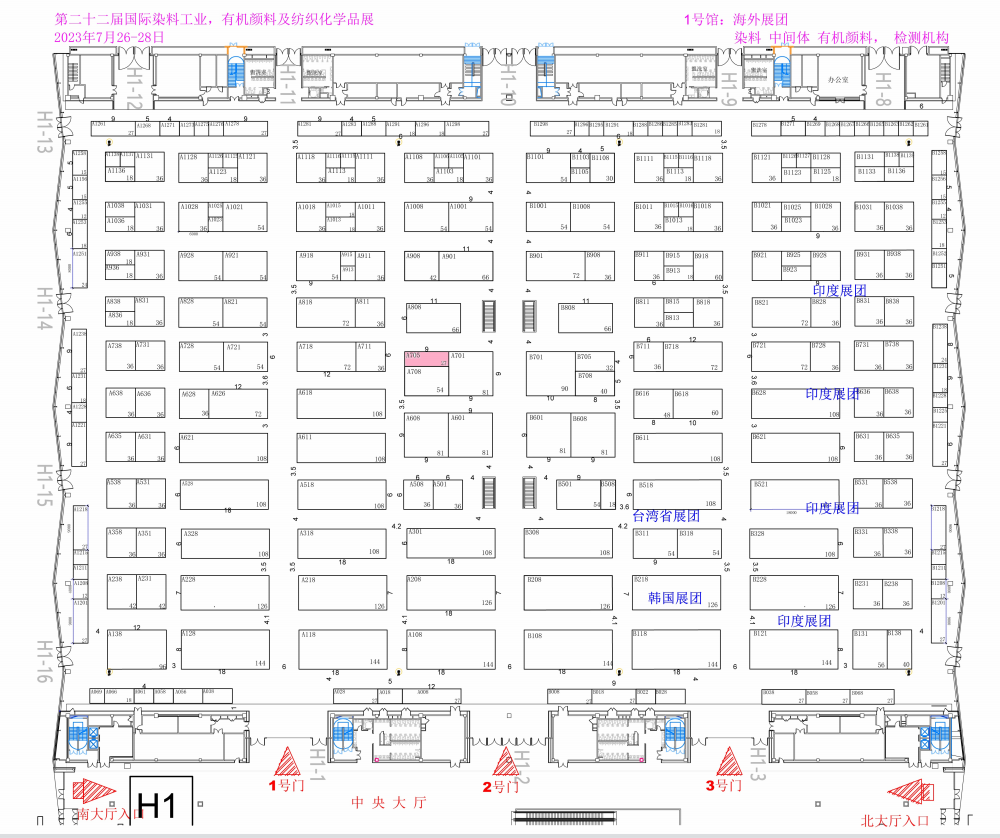 2023 Dynasty Chemicals @ China Interdye 2023, Shanghai
  The History and Development of Dyes