What are dyes and how are they used?
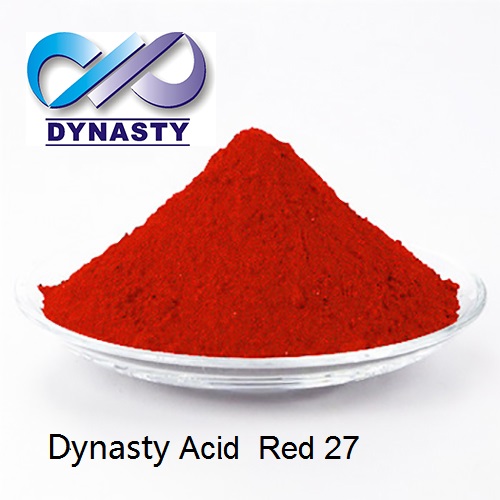
Dyes are colored substances used to impart color to a variety of materials, including textiles, paper, leather, plastics, and food. They are available in a wide range of colors and shades and are used to achieve specific color effects.
Dyes are usually dissolved in water or other solvents to form a dye solution or dye bath. The material to be dyed is then immersed in the dye bath and allowed to absorb the dye. The dye may be absorbed into the fibers of the material or it may adhere to the surface, depending on the type of dye and the material being dyed.
The process of dyeing can be done by hand or by machine, depending on the volume of material being dyed. Some dyes require a mordant or fixing agent to help the dye adhere to the material, while others do not. The choice of dye and dyeing method depends on the type of material being dyed, the desired color and effect, and the intended use of the final product.
In addition to traditional textile dyeing, dyes are also used in a variety of other applications. For example, food dyes are used to color foods and beverages, while hair dyes are used to color hair. In the printing industry, dyes are used to print images and patterns onto paper and other materials. Dyes are also used in forensic science to detect and identify stains and inks.
What are the different types of dyes?
Dyes are substances that impart color to textiles, paper, and other materials. There are various types of dyes, including:
- Natural Dyes: These dyes are extracted from natural sources like plants, minerals, and animals. Examples of natural dyes include indigo, madder, and cochineal.
- Synthetic Dyes: These dyes are chemically synthesized from petrochemicals and other organic compounds. They are the most commonly used dyes in the textile industry. Examples of synthetic dyes include azo dyes, anthraquinone dyes, and phthalocyanine dyes.
- Acid Dyes: These dyes are used to dye protein fibers such as wool, silk, and nylon. They are water-soluble and work best in an acidic environment.

- Basic Dyes: These dyes are used to dye materials like acrylic fibers, paper, and leather. They are water-soluble and work best in an alkaline environment.

- Direct Dyes: These dyes are used to dye cotton, rayon, and other cellulosic fibers. They are water-soluble and do not require a mordant (a substance used to help the dye bind to the fiber).
- Disperse Dyes: These dyes are used to dye synthetic fibers like polyester, nylon, and acetate. They are water-insoluble and require high temperatures and pressure to dye the fibers.
- Reactive Dyes: These dyes are used to dye natural fibers like cotton, wool, and silk. They react chemically with the fibers to form a covalent bond, resulting in a permanent color.
What print methods are there with dyes?
There are several methods of printing with dyes, including:
- Direct Printing: In this method, the dye is applied directly to the fabric using a printing screen, roller or other printing tool. This method is commonly used for smaller quantities and for designs that require a high level of detail.
- Discharge Printing: This method involves printing a design onto fabric that has been previously dyed with a darker color. A discharge agent is applied to the fabric, which removes the original dye and replaces it with the new dye in the printed area.
- Resist Printing: This method involves creating a design on the fabric using a resist agent, which prevents the dye from penetrating the fabric in the areas where it is applied. The fabric is then dyed, and the resist agent is removed to reveal the design.
- Pigment Printing: In this method, pigments are applied to the fabric using a printing screen or other tool. The pigments sit on top of the fabric and do not penetrate the fibers like dyes. This method is commonly used for printing on synthetic fabrics.
- Sublimation Printing: This method involves printing the design onto a special transfer paper using sublimation inks. The transfer paper is then placed onto the fabric and heat is applied, causing the inks to vaporize and penetrate the fibers of the fabric. This method is commonly used for printing on polyester and other synthetic fabrics.
The choice of printing method depends on various factors, including the type of fabric, the complexity of the design, the quantity of the print run, and the desired colorfastness and durability of the print.
Dynasty Chemicals is a major Chinese supplier of specialty chemicals and dyes, pigments.Today, we are shipping more than 5000mt products to customers all over the world annually, with global presence in more than 50 countries. Our 800+ products covers 19 categories. We work closely with our local distributors, textile mills, or coating, ink and plastics MB plants, to meet their needs and reformulate, improve our products. Strict quality control and solid connection with the Chinese market and supplier is our core strength in today’s challenging world market.
Experienced professional people with chemicals, advanced materials and textile industry background is one of our major asset. Business division of Textile, Coating and Ink, Plastics are organized to work for customers from these industries. Quality control department is well equipped with the aim to keep all batches up to standard before shipping to customers. We are one of the earliest in our business in China to adopt ERP in place to control the whole management process, to minimize errors. Digitalizing our marketing and management is always the foundation of future development, so we constantly invest in it. We call our company “of the people, by the people, and for the people”, while our target is to get a win-win solution among our society, company, and employees.
Dynasty Chemicals was founded in China in 1998, inspired by the entrepreneurial spirit of the founder and the booming chemicals and dyestuffs market demand from both domestic and global market. Over the last 20 years, we have evolved ourselves as a reliable specialty and color chemicals supplier for more than 300 industrial customers all over the world. Customer’s trust has encouraged us to carry forward our business to a higher level, which nowadays focus more on product quality, digitalization, regulation conformity, health and safety. We are optimistic about the future of our earth, we will continuously make our products better, empower our employee, giving back to our society to promote human welfare & sustainable development.
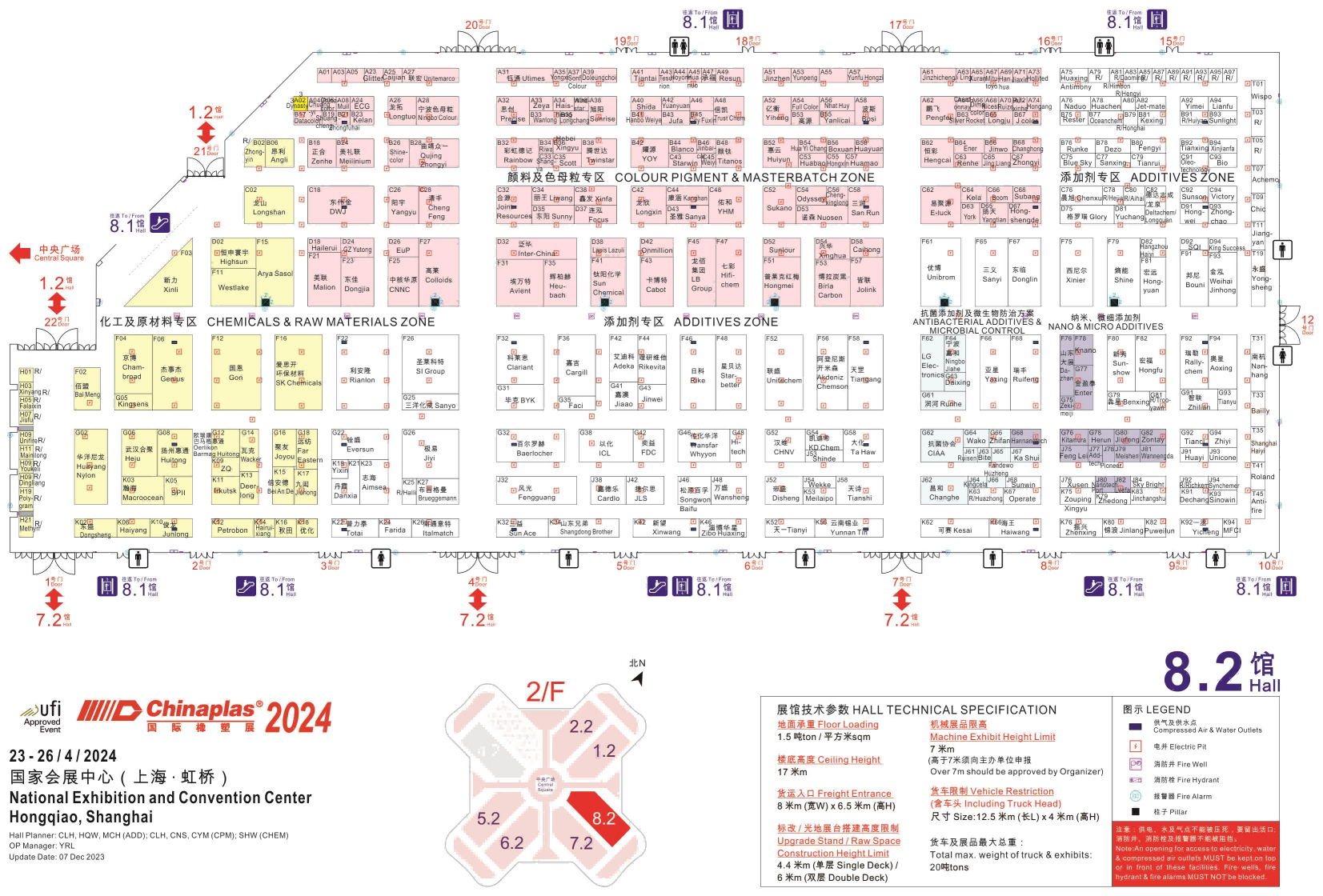 Dynasty Chemicals @ Chinaplas 2024, Shanghai
 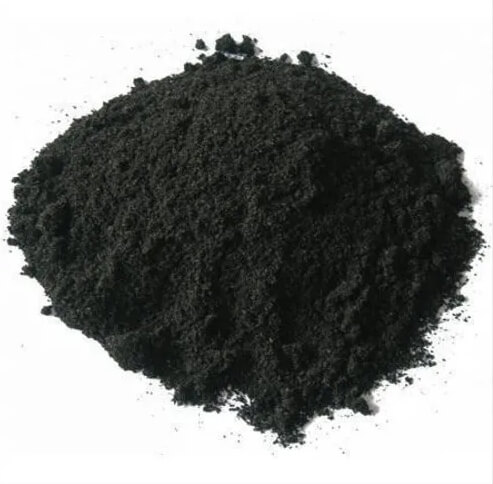 Versatile Uses of Acid Black Dyes
 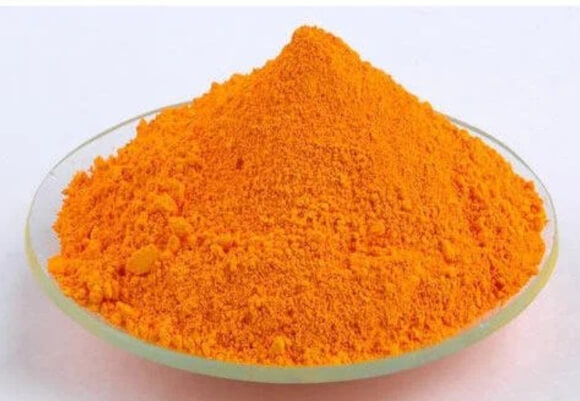 Classification and Application of Vat Orange Dyes
 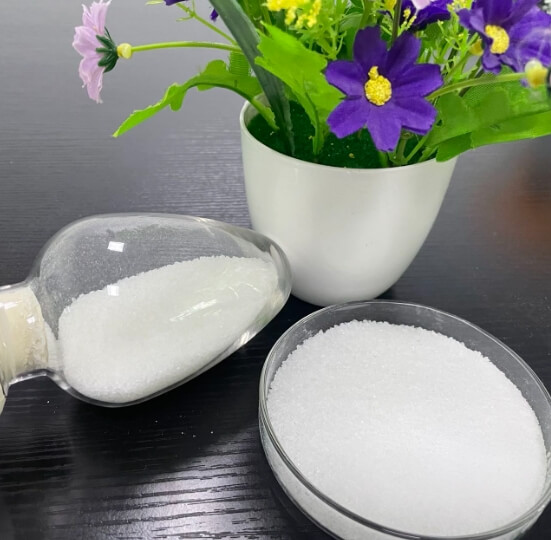 Chemical Properties of CAS 9002-89-5
 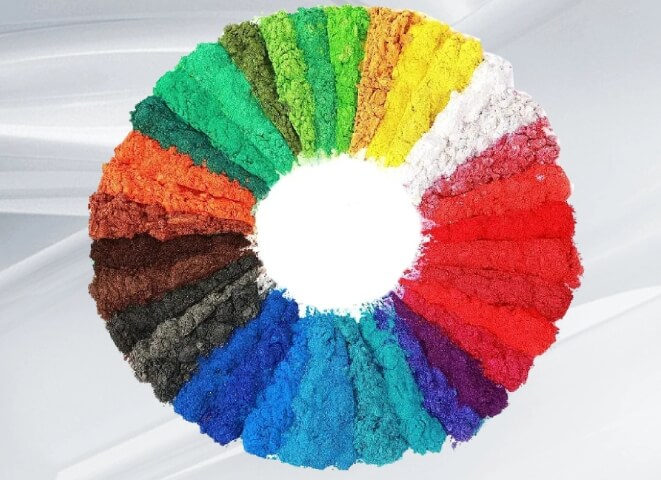 What Are The Common Fabric Dye Types And Textile Dyeing Techniques?
 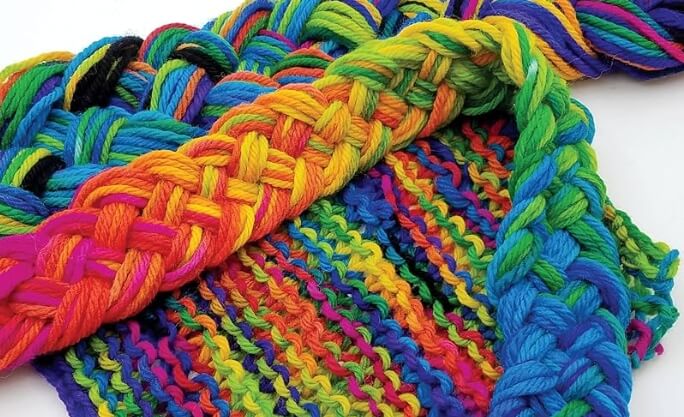 Wool Yarn Dyes Demystified: The Mystery of the Art of Color
 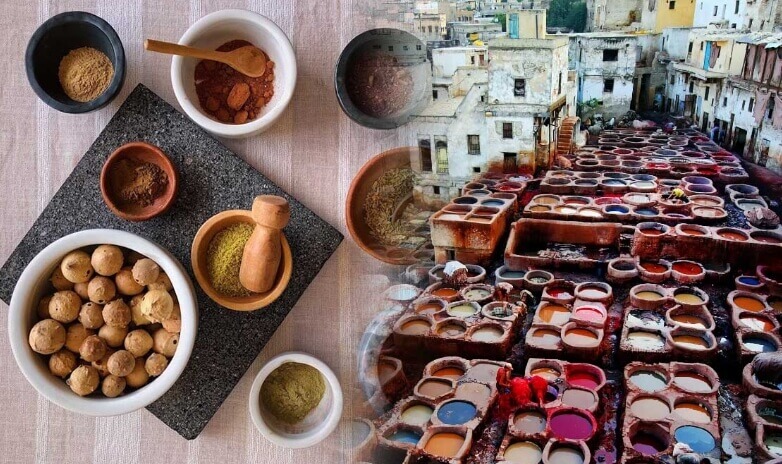 How Do Synthetic Textile Dyes Differ From Natural Textile Dyes?
 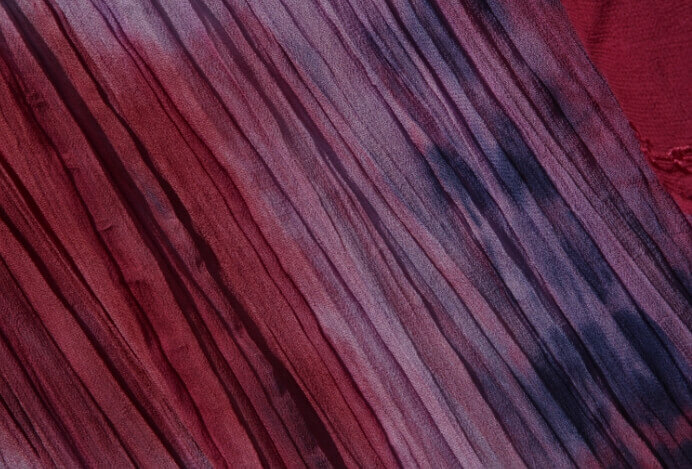 Behind Colorfast Dyes: The Science of Lasting Color
  Insights Into Dye For Denim Jeans
 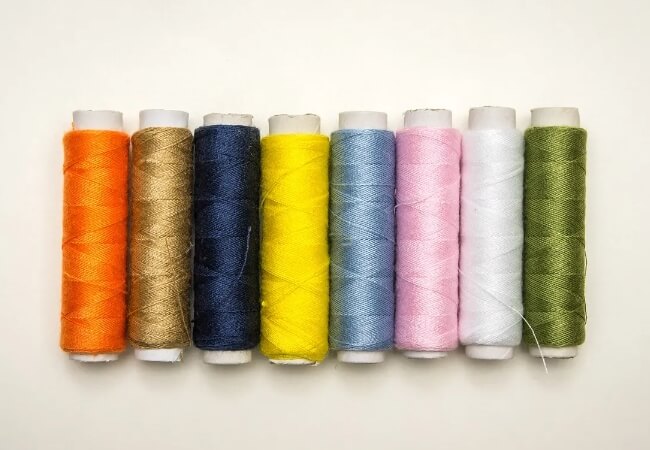 Sustainable Environmentally Friendly Dyes For Textile
 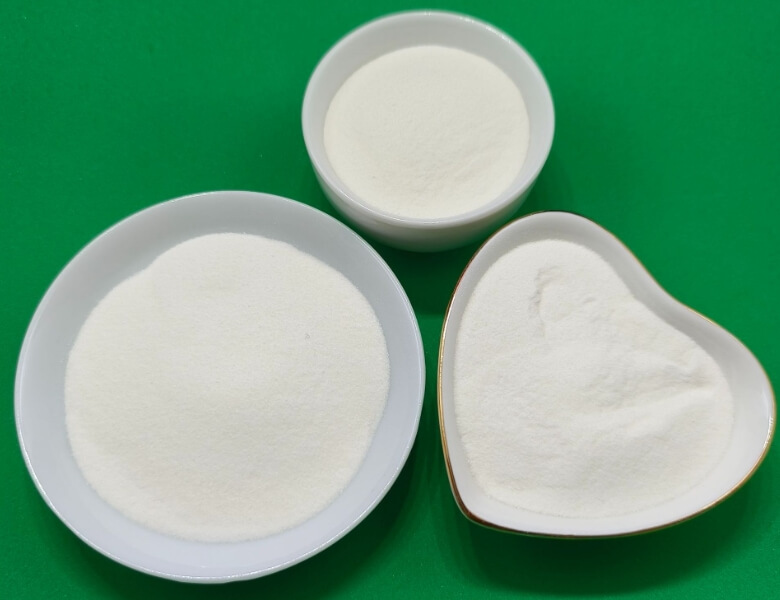 What Is Polyvinyl Alcohol Used For
  Discover the Multiple Uses of Sulphur Dyes
  Basic Knowledge of Cationic Dyes
  Vat Dye Dyeing Process
  Eco-Friendly Properties of Acid Dyes
  What is the difference between mordant and vat dyes?
  What is dispersed dye and what are the classifications of dispersed dyes
  Classification and Selection Principles of Dyes
  How to choose dyes for your industry?
 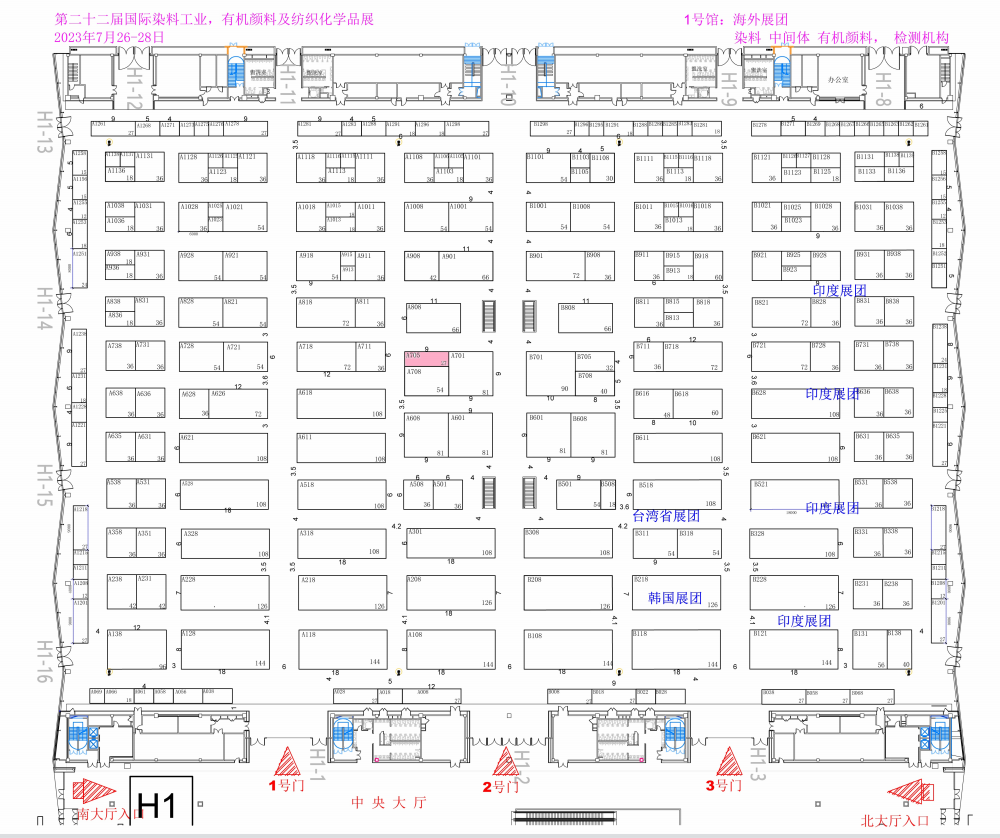 2023 Dynasty Chemicals @ China Interdye 2023, Shanghai