
What is acid dye?
Acid dyes are a class of synthetic dyes that are soluble in water and are commonly used to color protein fibers, such as wool, silk, and nylon. They derive their name from the acidic conditions required for dyeing, as they are most effective in an acidic pH range.
Here are some key characteristics and features of acid dyes:
- Water Solubility: Acid dyes are highly soluble in water, which allows for easy preparation of dye baths for the dyeing process. They can be dissolved in water directly or with the help of an acid or an acidic buffer.
- Affinity for Protein Fibers: Acid dyes have a strong affinity for protein-based fibers, such as wool, silk, and nylon. They form ionic bonds with the amino acid residues present in these fibers, resulting in good dye fixation and color retention.
- Acidic Conditions: Acid dyes require an acidic environment for optimal dyeing. The acidic pH helps to protonate the dye molecules, making them more soluble and facilitating their attachment to the fiber surface.
- Bright and Vibrant Colors: Acid dyes are known for producing bright, vibrant, and intense colors. They have a wide color range, allowing for the creation of a diverse spectrum of shades.
- Wash and Light Fastness: Acid dyes generally exhibit good wash fastness and light fastness, meaning that the colors remain intact even after repeated washing and exposure to light. However, the exact level of colorfastness can vary depending on the specific dye and the dyeing conditions.
- Level Dyeing: Acid dyes have good leveling properties, which means they have the ability to distribute evenly on the fiber surface during dyeing. This helps to achieve uniform coloration and minimize color variations within the dyed fabric.
- Compatibility with Synthetic Fibers: While acid dyes are primarily used for protein fibers, some acid dyes can also be used to color synthetic fibers like nylon. This makes acid dyes versatile for dyeing a variety of fiber types.
- Limited Application to Cellulose Fibers: Acid dyes have limited affinity for cellulose-based fibers, such as cotton and linen. Cellulose fibers typically require different types of dyes, such as reactive dyes or direct dyes, for effective coloration.
How many kinds of acid dyes are there?
There are numerous types of acid dyes available, each with its own chemical composition and characteristics. Acid dyes can be categorized into various groups based on their chemical structure and dyeing properties. Here are some common types of acid dyes:
- Acid Leveling Dyes: These dyes are designed to have excellent leveling properties, meaning they have a high affinity for the fiber and distribute evenly during dyeing. They help minimize color variations and produce level dyeing results.
- Acid Milling Dyes: Milling dyes are a type of acid dye that has the ability to migrate and diffuse into the fiber during dyeing. They are suitable for dyeing wool and other protein fibers, providing deep and intense colors.
- Acid Metal Complex Dyes: These dyes are created by forming complexes between acid dyes and metal ions. The addition of metal ions enhances the dye's affinity for the fiber, resulting in improved colorfastness properties.
- Acid Basic Dyes: Acid basic dyes, also known as acid milling basic dyes, have a basic character and are used for dyeing protein fibers in acidic conditions. They provide vibrant and bright colors, often used for dyeing silk and wool.
- Acid Leather Dyes: These acid dyes are specifically formulated for dyeing leather. They offer good penetration and colorfastness, ensuring durable and vibrant colors on leather surfaces.
- Acid Food Dyes: Acid dyes are also used in the food industry to color food products such as candies, beverages, and desserts. These food-grade acid dyes are carefully regulated and tested for safety.
These are just a few examples of acid dyes, and there are many more variations and subtypes available within each group. The choice of acid dye depends on factors such as the specific fiber type, desired color, dyeing process, and application requirements.
Advantages of acid dyes
Acid dyes offer several advantages that contribute to their widespread use in the textile industry. Here are some key advantages of acid dyes:
- Excellent Color Vibrancy: Acid dyes are known for producing bright, vibrant, and intense colors. They offer a wide range of color options, allowing for the creation of vivid and eye-catching textiles. The dyes have high color strength, resulting in rich and saturated hues.
- Compatibility with Protein Fibers: Acid dyes have a strong affinity for protein-based fibers, such as wool, silk, and nylon. They form ionic bonds with the amino acid residues present in these fibers, resulting in good dye fixation and color retention. This compatibility makes acid dyes ideal for dyeing these types of fibers.
- Good Wash and Light Fastness: Acid dyes generally exhibit good wash fastness and light fastness. The dyes form strong chemical bonds with the fiber, ensuring that the colors remain intact even after repeated washing and exposure to light. This property contributes to the durability and longevity of the dyed textiles.
- Easy Application: Acid dyes are highly soluble in water, making them easy to handle and apply. They can be dissolved directly in water or with the help of an acid or acidic buffer. This solubility allows for the preparation of dye baths with ease, simplifying the dyeing process.
- Level Dyeing: Acid dyes have good leveling properties, meaning they have the ability to distribute evenly on the fiber surface during dyeing. This characteristic helps to achieve uniform coloration and minimizes color variations within the dyed fabric. It contributes to a consistent and high-quality end result.
- Versatility in Application: Acid dyes can be used for various textile applications, including fashion and apparel, home textiles, and specialty textiles. They are also employed in other industries, such as food coloring and leather dyeing. This versatility makes acid dyes suitable for a wide range of products and industries.
- Cost-Effective: Acid dyes are generally cost-effective compared to some other dye types. Their wide availability and relatively lower cost make them an economical choice for dyeing applications, providing an attractive option for manufacturers.
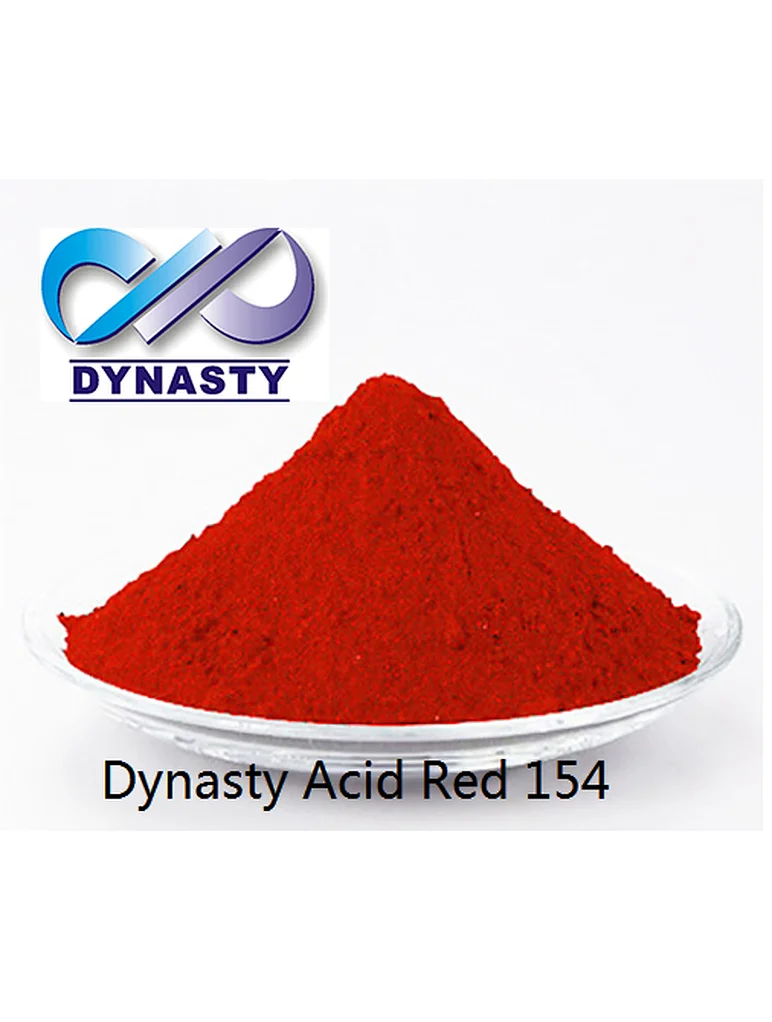
Applications of acid dyes
Acid dyes find a wide range of applications in the textile industry, particularly for dyeing protein-based fibers such as wool, silk, and nylon. Here are some common applications of acid dyes:
- Apparel and Fashion: Acid dyes are extensively used for dyeing garments and fashion items made from protein fibers. This includes dresses, shirts, scarves, ties, and other textile accessories. Acid dyes offer vibrant colors and good colorfastness, ensuring attractive and durable fashion products.
- Home Textiles: Acid dyes are employed in the dyeing of various home textile items, including bedding, curtains, upholstery fabrics, and decorative textiles. These dyes provide a wide range of colors, allowing for customization to match different interior design schemes.
- Carpet and Rug Dyeing: Acid dyes are commonly used in the dyeing of carpets and rugs, which often consist of wool or wool blend fibers. Acid dyes offer excellent color vibrancy and penetration, ensuring rich and long-lasting colors in these textile floor coverings.
- Hosiery and Socks: Acid dyes are widely applied in the dyeing of hosiery, socks, and other intimate apparel items made from protein fibers. They provide vibrant colors and good colorfastness, ensuring appealing and durable products.
- Industrial Applications: Acid dyes are used for dyeing industrial textiles such as automotive fabrics, industrial filters, and technical textiles. These applications require dyes that can withstand harsh conditions, provide color durability, and meet specific performance requirements.
- Accessories and Specialty Textiles: Acid dyes are utilized in the dyeing of various textile accessories and specialty textiles. This includes items such as neckties, scarves, handkerchiefs, ribbons, and lace. Acid dyes allow for vibrant and precise coloration, enhancing the visual appeal of these products.
- Yarn Dyeing: Acid dyes are commonly used for dyeing yarns made from protein fibers. Dyed yarns can be further processed into various textile products, such as woven or knitted fabrics, which are then used in diverse applications mentioned above.
It's important to note that acid dyes are primarily suitable for protein-based fibers and may not be as effective for dyeing cellulose-based fibers like cotton or linen. Each application may have specific dyeing requirements and considerations, and the selection of acid dyes depends on factors such as desired colors, fiber type, end-use requirements, and processing conditions.
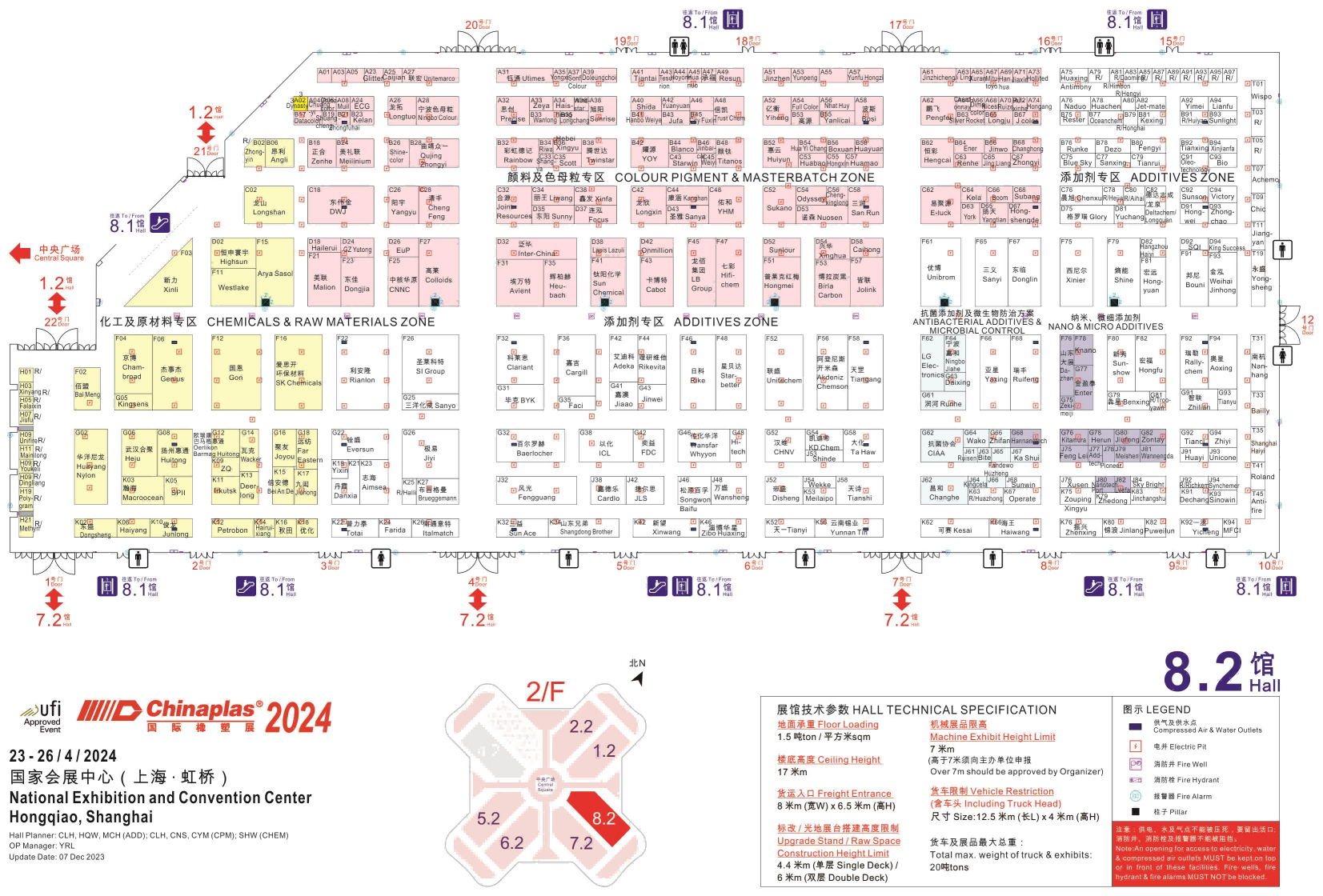 Dynasty Chemicals @ Chinaplas 2024, Shanghai
  Versatile Uses of Acid Black Dyes
  Classification and Application of Vat Orange Dyes
  Chemical Properties of CAS 9002-89-5
  What Are The Common Fabric Dye Types And Textile Dyeing Techniques?
  Wool Yarn Dyes Demystified: The Mystery of the Art of Color
  How Do Synthetic Textile Dyes Differ From Natural Textile Dyes?
  Behind Colorfast Dyes: The Science of Lasting Color
  Insights Into Dye For Denim Jeans
  Sustainable Environmentally Friendly Dyes For Textile
  What Is Polyvinyl Alcohol Used For
  Discover the Multiple Uses of Sulphur Dyes
  Basic Knowledge of Cationic Dyes
  Vat Dye Dyeing Process
  Eco-Friendly Properties of Acid Dyes
  What is the difference between mordant and vat dyes?
  What is dispersed dye and what are the classifications of dispersed dyes
 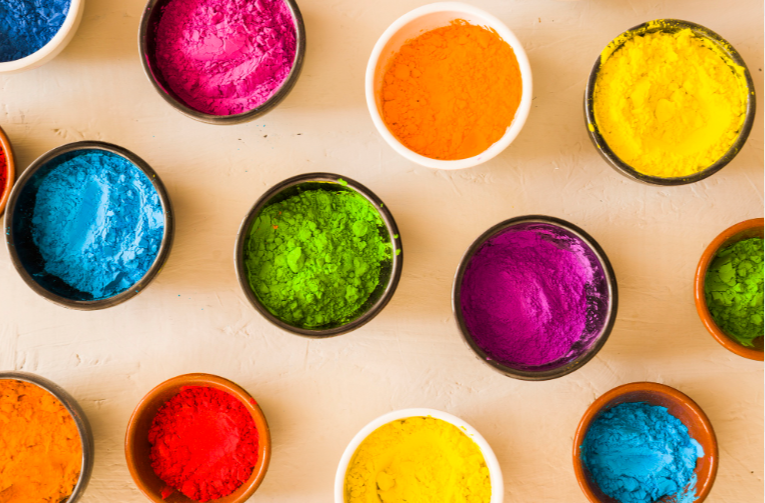 Classification and Selection Principles of Dyes
 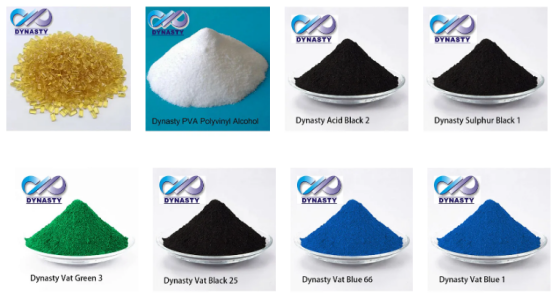 How to choose dyes for your industry?
 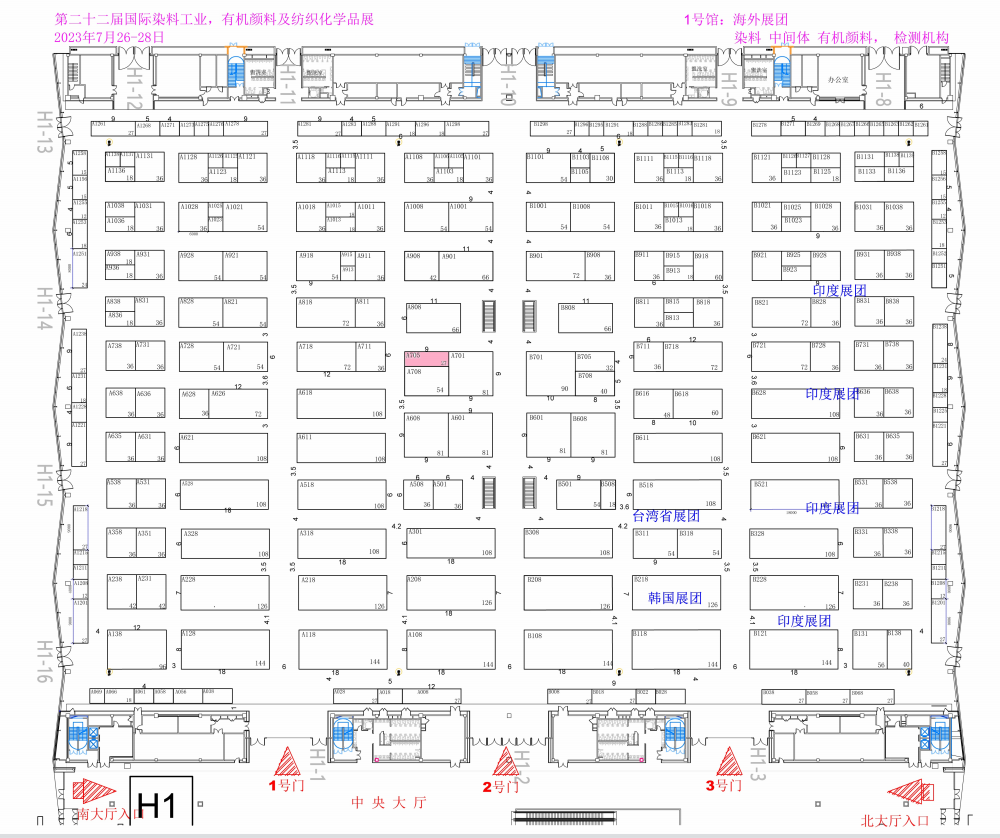 2023 Dynasty Chemicals @ China Interdye 2023, Shanghai