
What is basic dye can be used for
2023-06-29
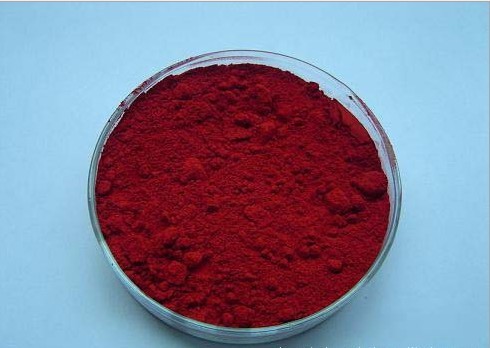
Basic dyes are a class of synthetic dyes that are highly soluble in water and have a positive charge. They are primarily used for coloring materials that have a negative charge, such as acrylic fibers, wool, silk, and certain types of paper. Basic dyes are not commonly used for dyeing natural cotton or linen fibers because these fibers have a neutral or slightly negative charge, making them less receptive to basic dyes.
Here are some common applications of basic dyes:
Textile dyeing: Basic dyes are frequently used in the textile industry to color synthetic fibers like acrylic, nylon, and polyester. These dyes provide vibrant and intense colors and have good lightfastness and washfastness on these materials.
1. Pretreatment: Before dyeing, the textile materials often undergo a pretreatment phase to remove impurities, such as oils, waxes, dirt, or residual chemicals. This step ensures better dye penetration and color uptake.
2. Dye selection: The choice of dyes depends on the type of textile fiber or fabric being dyed, as different dyes have affinities for specific fibers. Common types of dyes used in textile dyeing include reactive dyes, disperse dyes, acid dyes, direct dyes, and vat dyes.
3. Dye application: There are various methods for applying dyes to textiles, including:
- Batch dyeing: In this method, the textile materials are immersed in a dye bath containing the dye solution. The dye bath is heated, and the dye molecules penetrate the fibers or fabric through diffusion. Agitation or circulation of the dye bath helps ensure uniform color distribution.
- Continuous dyeing: Continuous dyeing is typically used for large-scale production. The textile material passes through a series of dyeing machines, where the dyes are applied at specific stages, such as padding, spraying, or printing. Continuous dyeing allows for high-speed and efficient color application.
- Printing: Textile printing involves applying dyes or pigment pastes in specific patterns or designs onto the fabric surface. Techniques like screen printing, roller printing, digital printing, or block printing are commonly used for textile printing.
- Batch dyeing: In this method, the textile materials are immersed in a dye bath containing the dye solution. The dye bath is heated, and the dye molecules penetrate the fibers or fabric through diffusion. Agitation or circulation of the dye bath helps ensure uniform color distribution.
- Continuous dyeing: Continuous dyeing is typically used for large-scale production. The textile material passes through a series of dyeing machines, where the dyes are applied at specific stages, such as padding, spraying, or printing. Continuous dyeing allows for high-speed and efficient color application.
- Printing: Textile printing involves applying dyes or pigment pastes in specific patterns or designs onto the fabric surface. Techniques like screen printing, roller printing, digital printing, or block printing are commonly used for textile printing.
4. Fixation and after-treatment: After dye application, the dyed textiles usually undergo fixation or after-treatment processes. These processes involve treatments like steaming, heat setting, or washing to enhance color fastness, remove excess dyes, and improve the overall durability of the dyed fabric.
Textile dyeing is a complex process that requires careful consideration of factors such as dye selection, dyeing technique, fabric type, color consistency, and environmental impact. Various parameters, including temperature, pH, dye concentration, and dyeing time, need to be controlled to achieve the desired color fastness and appearance on the textile materials.
Textile dyeing is a complex process that requires careful consideration of factors such as dye selection, dyeing technique, fabric type, color consistency, and environmental impact. Various parameters, including temperature, pH, dye concentration, and dyeing time, need to be controlled to achieve the desired color fastness and appearance on the textile materials.
Paper dyeing: Basic dyes are suitable for dyeing paper products such as tissue paper, decorative paper, and specialty papers. They can produce bright and vivid colors on paper substrates.
1. Dye selection: The choice of dyes or pigments depends on the desired color, the type of paper, and the application. Different dyes have different affinities for paper fibers and can produce varying color intensities and effects.
2. Dye application methods:
- Immersion dyeing: In this method, the paper is immersed in a dye bath containing the dye solution. The dye bath may be heated, and the paper is agitated or moved to ensure uniform dye penetration. The paper absorbs the dye, allowing the color to permeate throughout the fibers.
- Surface dyeing: Surface dyeing involves applying the dye directly to the surface of the paper using brushes, sprays, or other applicators. This method is often used for artistic or craft applications where precise control over the color placement is desired.
- Printing: Paper can also be dyed using printing techniques, such as screen printing or offset printing. Dyes or pigments are applied to specific areas of the paper surface using printing plates or screens, resulting in patterns or designs.
- Immersion dyeing: In this method, the paper is immersed in a dye bath containing the dye solution. The dye bath may be heated, and the paper is agitated or moved to ensure uniform dye penetration. The paper absorbs the dye, allowing the color to permeate throughout the fibers.
- Surface dyeing: Surface dyeing involves applying the dye directly to the surface of the paper using brushes, sprays, or other applicators. This method is often used for artistic or craft applications where precise control over the color placement is desired.
- Printing: Paper can also be dyed using printing techniques, such as screen printing or offset printing. Dyes or pigments are applied to specific areas of the paper surface using printing plates or screens, resulting in patterns or designs.
3. Fixation and after-treatment: After the dye application, the dyed paper may undergo fixation or after-treatment processes to improve color fastness and durability. These processes may include drying, heat setting, or applying fixing agents to enhance the bond between the dye and the paper fibers.
The paper dyeing process requires careful control of factors such as dye concentration, pH, temperature, and dyeing time to achieve consistent and desired results. It is important to note that the dyeing characteristics may vary depending on the type of paper, as different paper fibers (such as wood pulp, cotton, or synthetic fibers) have varying affinities for dyes.
Paper dyeing is commonly used for various applications, including art and craft projects, packaging materials, stationery, decorative papers, and specialty papers. The choice of dyeing method and dye selection depends on the specific requirements of the application and the desired visual impact.
The paper dyeing process requires careful control of factors such as dye concentration, pH, temperature, and dyeing time to achieve consistent and desired results. It is important to note that the dyeing characteristics may vary depending on the type of paper, as different paper fibers (such as wood pulp, cotton, or synthetic fibers) have varying affinities for dyes.
Paper dyeing is commonly used for various applications, including art and craft projects, packaging materials, stationery, decorative papers, and specialty papers. The choice of dyeing method and dye selection depends on the specific requirements of the application and the desired visual impact.
Ink formulation: Basic dyes are sometimes used in the formulation of inks, especially in applications where a vibrant color is desired, such as in highlighter pens, markers, and certain printing inks.
1. Pigments or dyes: The colorants used in ink formulation are either pigments or dyes. Pigments are solid particles that provide color and opacity to the ink, while dyes are soluble substances that impart color. The choice of pigments or dyes depends on the application, desired color intensity, lightfastness, and other factors.
2. Vehicles or binders: Vehicles or binders are the liquid components that carry the pigments or dyes and help them adhere to the writing or printing surface. They also determine the ink's flow, viscosity, and drying properties. Common binders include resins, polymers, oils, or solvents.
1. Pigments or dyes: The colorants used in ink formulation are either pigments or dyes. Pigments are solid particles that provide color and opacity to the ink, while dyes are soluble substances that impart color. The choice of pigments or dyes depends on the application, desired color intensity, lightfastness, and other factors.
2. Vehicles or binders: Vehicles or binders are the liquid components that carry the pigments or dyes and help them adhere to the writing or printing surface. They also determine the ink's flow, viscosity, and drying properties. Common binders include resins, polymers, oils, or solvents.
3. Additives: Ink formulations often include various additives to enhance specific properties. These additives can include:
- Humectants: They help prevent the ink from drying out too quickly and keep the ink flow consistent.
- Surfactants: They improve ink spreading and wetting properties, ensuring better ink flow and reducing surface tension.
- Dispersants: They assist in dispersing pigments or dyes evenly within the ink, preventing sedimentation or clumping.
- Thickeners: They control the ink viscosity and prevent it from being too runny or too thick.
- Anti-clogging agents: They prevent clogging of inkjet nozzles or pen tips, ensuring smooth and reliable ink flow.
- Stabilizers: They help prevent ink degradation or color changes caused by exposure to light, heat, or other environmental factors.
- Humectants: They help prevent the ink from drying out too quickly and keep the ink flow consistent.
- Surfactants: They improve ink spreading and wetting properties, ensuring better ink flow and reducing surface tension.
- Dispersants: They assist in dispersing pigments or dyes evenly within the ink, preventing sedimentation or clumping.
- Thickeners: They control the ink viscosity and prevent it from being too runny or too thick.
- Anti-clogging agents: They prevent clogging of inkjet nozzles or pen tips, ensuring smooth and reliable ink flow.
- Stabilizers: They help prevent ink degradation or color changes caused by exposure to light, heat, or other environmental factors.
4. Drying agents: Depending on the application, ink formulations may include drying agents to accelerate the ink's drying process. These agents can be solvents, heat-activated compounds, or chemical additives that promote evaporation and drying.
The ink formulation process involves carefully selecting and combining these components in specific ratios to achieve the desired ink properties, such as color vibrancy, flow, drying time, permanence, and adherence to different surfaces. The formulation process requires expertise in ink chemistry, knowledge of the intended application, and consideration of factors such as printing technology, substrate compatibility, and end-user requirements.
Ink formulation can vary widely depending on the specific type of ink, such as water-based, oil-based, solvent-based, or UV-curable inks. Each type has its own unique composition and characteristics, tailored for specific printing methods, substrates, and application requirements.
The ink formulation process involves carefully selecting and combining these components in specific ratios to achieve the desired ink properties, such as color vibrancy, flow, drying time, permanence, and adherence to different surfaces. The formulation process requires expertise in ink chemistry, knowledge of the intended application, and consideration of factors such as printing technology, substrate compatibility, and end-user requirements.
Ink formulation can vary widely depending on the specific type of ink, such as water-based, oil-based, solvent-based, or UV-curable inks. Each type has its own unique composition and characteristics, tailored for specific printing methods, substrates, and application requirements.
Biological staining: Basic dyes are used in laboratories and medical settings for staining biological specimens for microscopic examination. They are often employed to stain cell nuclei and other structures in histology and cytology.
It's important to note that basic dyes have some limitations, including their relatively poor lightfastness (tendency to fade when exposed to light) and washfastness (resistance to washing). Therefore, they are typically not suitable for applications that require long-term colorfastness, such as outdoor textiles or materials subjected to frequent washing.
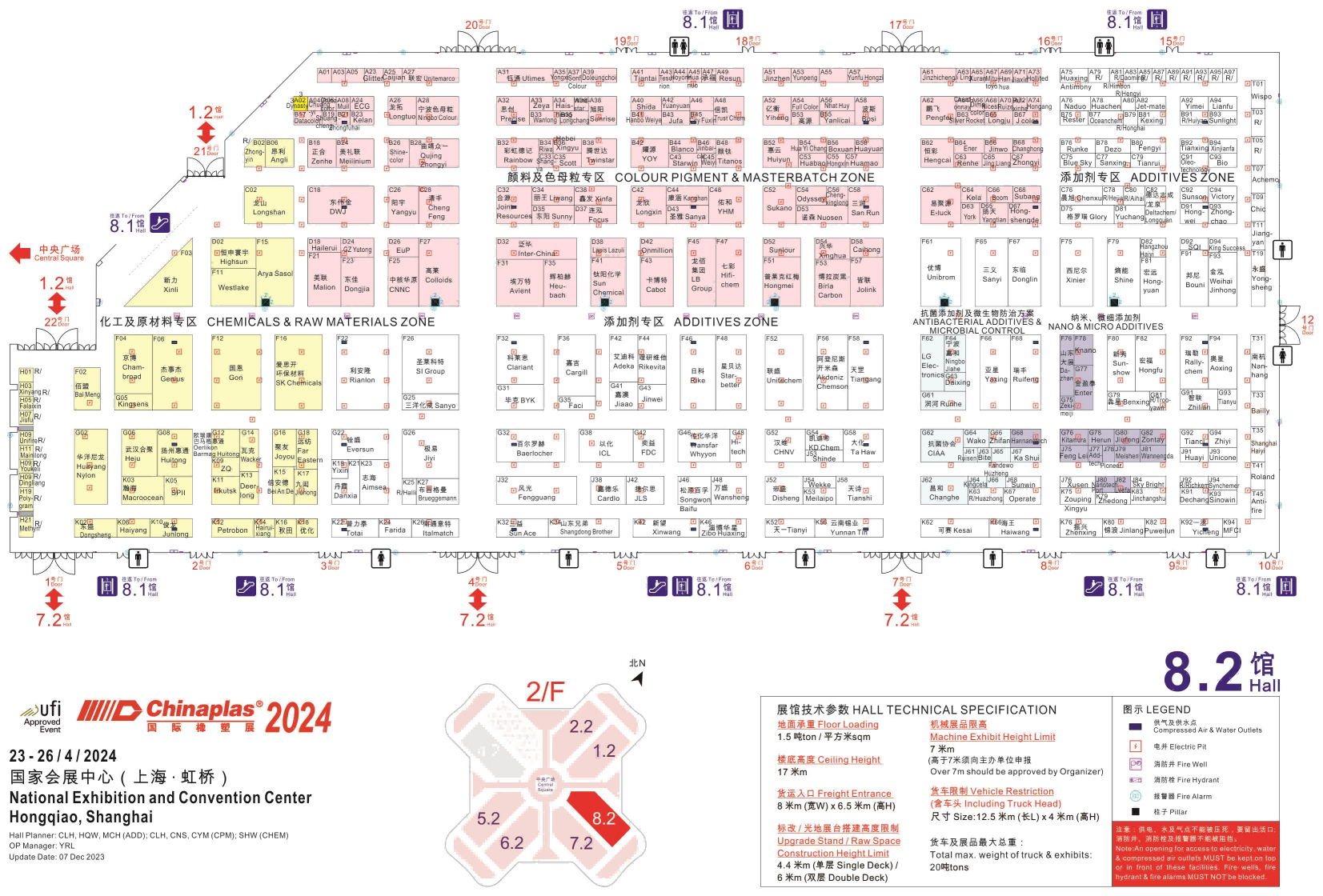 Dynasty Chemicals @ Chinaplas 2024, Shanghai
 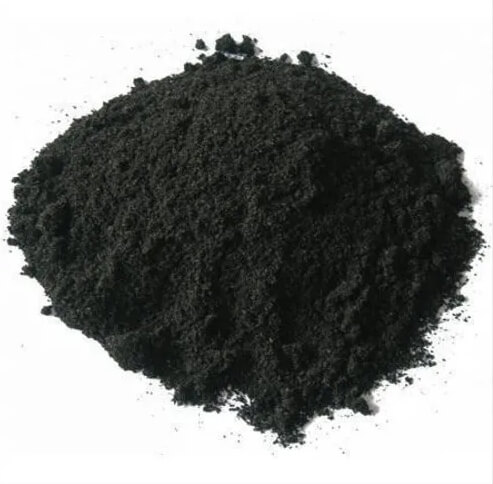 Versatile Uses of Acid Black Dyes
 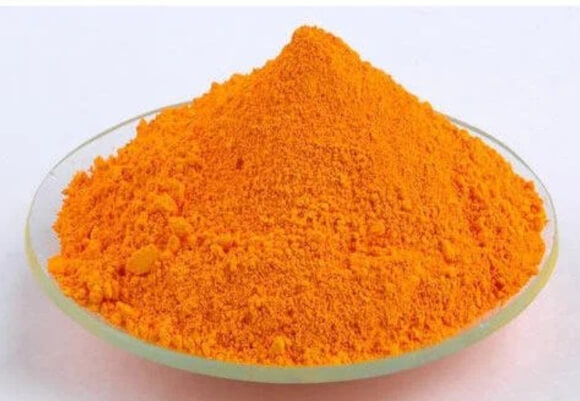 Classification and Application of Vat Orange Dyes
  Chemical Properties of CAS 9002-89-5
  What Are The Common Fabric Dye Types And Textile Dyeing Techniques?
  Wool Yarn Dyes Demystified: The Mystery of the Art of Color
  How Do Synthetic Textile Dyes Differ From Natural Textile Dyes?
  Behind Colorfast Dyes: The Science of Lasting Color
  Insights Into Dye For Denim Jeans
  Sustainable Environmentally Friendly Dyes For Textile
  What Is Polyvinyl Alcohol Used For
  Discover the Multiple Uses of Sulphur Dyes
  Basic Knowledge of Cationic Dyes
  Vat Dye Dyeing Process
  Eco-Friendly Properties of Acid Dyes
  What is the difference between mordant and vat dyes?
  What is dispersed dye and what are the classifications of dispersed dyes
  Classification and Selection Principles of Dyes
  How to choose dyes for your industry?
 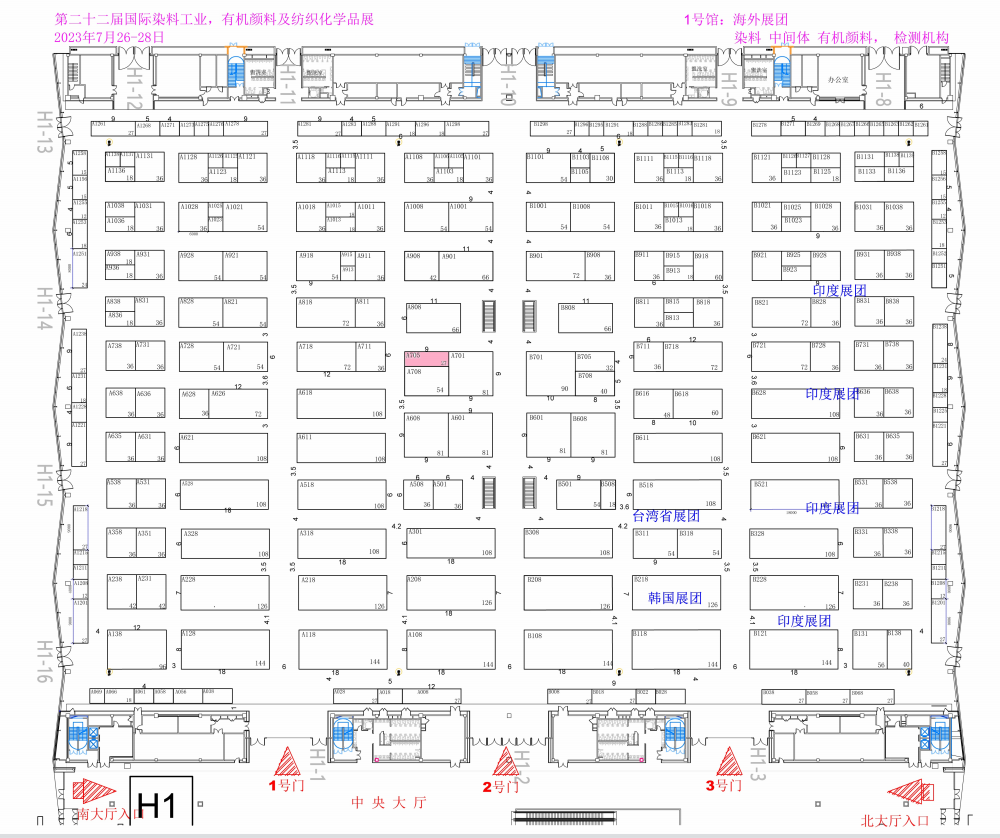 2023 Dynasty Chemicals @ China Interdye 2023, Shanghai