
What is basic dye?
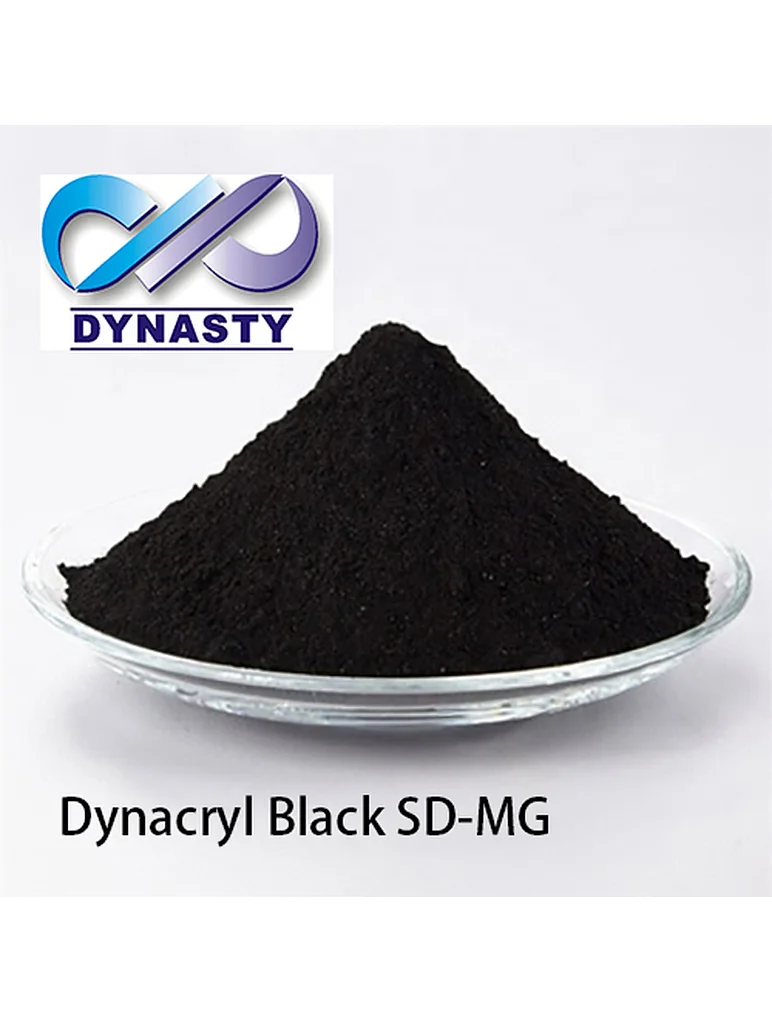
Basic dyes, also known as cationic dyes, are a type of synthetic dye that are positively charged. They are called "basic" because they have an affinity for acidic substances.
How many kinds of basic dyes are there?
There are numerous types of basic dyes available, each with its own specific chemical composition and characteristics. These dyes are classified into different groups based on their chemical structure and color properties. While the exact number of basic dye types may vary, here are some common categories:
- Triarylmethane Dyes: These basic dyes contain a triarylmethane structure as their chromophore. Examples include Crystal Violet, Malachite Green, and Methyl Violet.
- Xanthene Dyes: This group includes basic dyes derived from xanthene, a polycyclic aromatic compound. Rhodamine B and Rhodamine 6G are examples of xanthene-based basic dyes.
- Acridine Dyes: Acridine-based basic dyes are known for their intense yellow to orange-red colors. Acridine Orange and Acridine Yellow are commonly used examples.
- Azo Dyes: Azo dyes contain the azo functional group (N=N) and are widely used in various dyeing applications. Basic Orange 21 and Basic Red 46 are examples of azo-based basic dyes.
- Quinoline Dyes: Quinoline-based basic dyes offer a wide range of colors and are used for various applications, including textile dyeing. Basic Yellow 1 and Basic Green 4 are quinoline-based dyes.
- Thiazine Dyes: Basic dyes derived from thiazine have a thiazine ring in their structure. Examples include Methylene Blue and Basic Violet 3.
Advantages
- High Color Intensity: Basic dyes are known for their vibrant and intense colors. They can produce vivid and eye-catching hues, making them suitable for applications where strong coloration is desired.
- Affinity for Synthetic Fibers: Basic dyes have a strong affinity for synthetic fibers such as acrylic and nylon. They can easily bond with the fibers due to their positive charge, resulting in excellent color attachment and uniform dyeing.
- Good Light-Fastness: Basic dyes generally exhibit good light-fastness, meaning they are resistant to fading when exposed to light. This makes them suitable for applications where color stability and durability are important, such as outdoor textiles or materials exposed to sunlight.
- Cost-Effective: Basic dyes are often more cost-effective compared to other types of dyes. They offer a high color yield, meaning a relatively small amount of dye can achieve a vibrant coloration. This makes them an economical choice for many dyeing processes.
- Simple Dyeing Process: Basic dyes are relatively easy to apply and require less complex dyeing processes compared to some other dye types. They can be used in simple dye bath procedures, making them convenient for small-scale operations or quick dyeing requirements.
- Compatibility with Some Biological Staining: Basic dyes are utilized in certain biological staining techniques, such as histology and microscopy. They can selectively stain specific cellular components, aiding in the visualization and identification of tissues and cells.
Disadvantages
- Limited Compatibility with Natural Fibers: Basic dyes are primarily designed for synthetic fibers and have limited affinity for natural fibers like cotton, wool, or silk. They do not readily bond with these fibers, resulting in poor dye uptake and potential color bleeding or unevenness.
- Lower Wash-Fastness: Basic dyes generally have lower wash-fastness compared to other dye types. The dye molecules may not bind tightly to the fiber, leading to color bleeding or fading with repeated washing. This can limit the durability and longevity of the dyed material.
- Sensitivity to pH and Light: Basic dyes can be sensitive to pH levels and exposure to light. Extreme pH conditions, such as highly acidic or alkaline environments, can cause color changes or fading. Additionally, prolonged exposure to light may result in color degradation or fading over time.
- Potential Environmental Concerns: Some basic dyes, particularly older formulations, may contain compounds that are harmful to the environment or human health. It is important to ensure the use of environmentally friendly and safe dye formulations that comply with regulations and standards.
- Limited Shade Range: Basic dyes, compared to other dye types like acid dyes or reactive dyes, may have a more limited shade range. They may not offer as wide a variety of colors or shades, which can restrict the design options in certain applications.
- Lack of Substrate Compatibility: Basic dyes are specifically designed for synthetic fibers and may not be compatible with other materials. When used on substrates other than synthetic fibers, the dye uptake and color results may be unpredictable or unsatisfactory.
Applications
- Textile Dyeing: Basic dyes are widely used for dyeing synthetic fibers, including acrylic, nylon, and polyester. They provide vibrant and intense colors to fabrics used in fashion apparel, home textiles, and industrial textiles.
- Inkjet Printing: Basic dyes are utilized in inkjet printing systems for high-quality color reproduction. They are used to create vivid and bright colors in ink formulations for printing on various media, including paper, fabric, and plastic.
- Paper Coloring: Basic dyes are employed in the paper industry for coloring papers and paper products. They offer intense and fast-drying colors, making them suitable for applications such as stationery, packaging, and specialty papers.
- Biological Staining: Basic dyes are used in biological and histological staining techniques to visualize and identify specific components of cells and tissues. They can selectively stain cell nuclei, cytoplasm, or other cellular structures in microscopic analysis and research.
- Leather Dyeing: Basic dyes are occasionally used in the leather industry for dyeing or coloring leather products. They can provide vibrant and uniform colors to leather goods such as shoes, bags, and upholstery.
- Specialty Applications: Basic dyes are also utilized in various specialty applications. They can be found in products such as markers, colored pencils, art supplies, and craft materials where intense and bright colors are desired.
It's important to note that the specific dye selection depends on the requirements of the application, the type of material being dyed, and the desired color properties. While basic dyes have their advantages, it is crucial to consider factors such as substrate compatibility, wash-fastness, and environmental considerations when choosing a dye for a particular application.
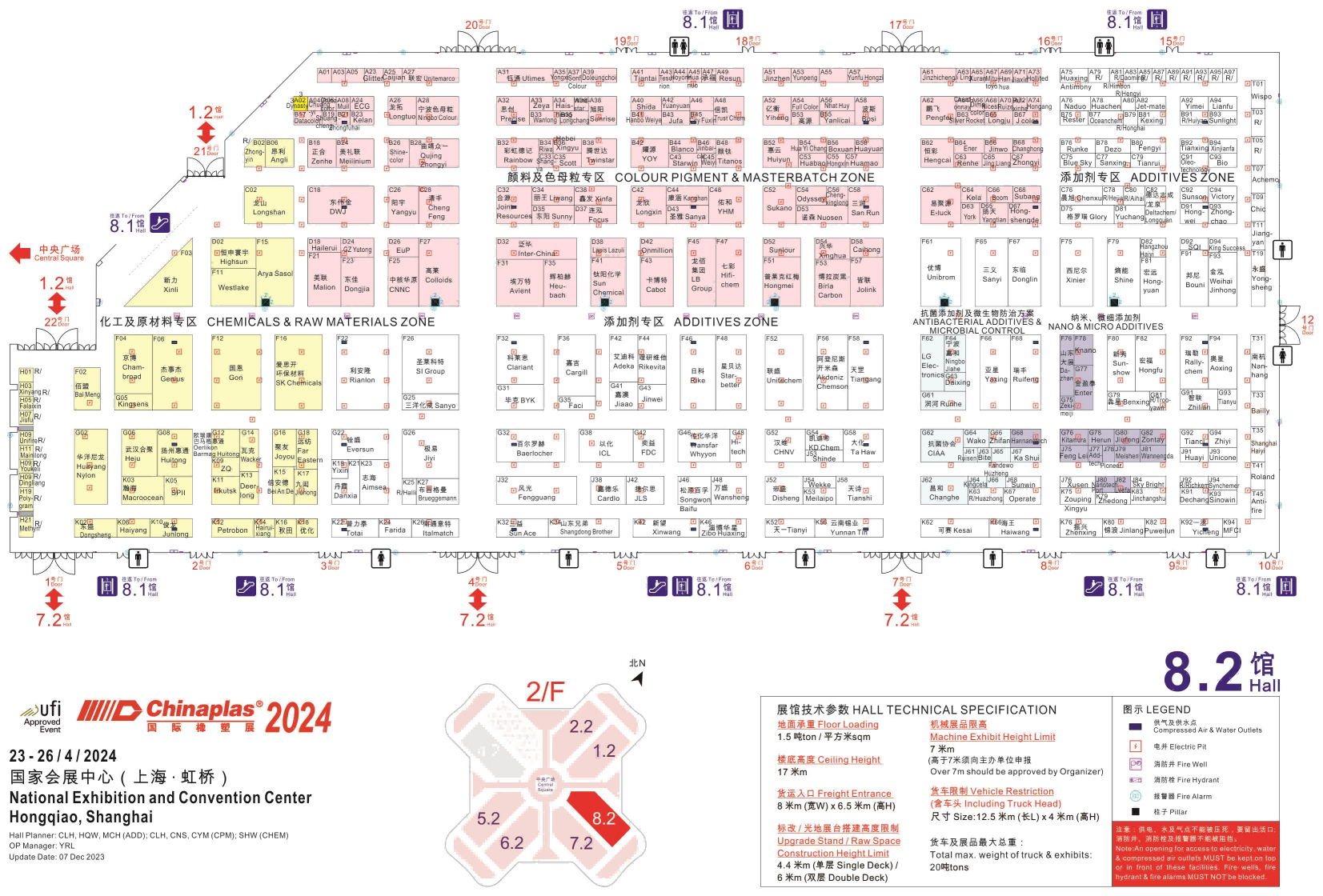 Dynasty Chemicals @ Chinaplas 2024, Shanghai
  Versatile Uses of Acid Black Dyes
  Classification and Application of Vat Orange Dyes
  Chemical Properties of CAS 9002-89-5
  What Are The Common Fabric Dye Types And Textile Dyeing Techniques?
  Wool Yarn Dyes Demystified: The Mystery of the Art of Color
  How Do Synthetic Textile Dyes Differ From Natural Textile Dyes?
  Behind Colorfast Dyes: The Science of Lasting Color
  Insights Into Dye For Denim Jeans
  Sustainable Environmentally Friendly Dyes For Textile
  What Is Polyvinyl Alcohol Used For
  Discover the Multiple Uses of Sulphur Dyes
  Basic Knowledge of Cationic Dyes
  Vat Dye Dyeing Process
  Eco-Friendly Properties of Acid Dyes
  What is the difference between mordant and vat dyes?
  What is dispersed dye and what are the classifications of dispersed dyes
  Classification and Selection Principles of Dyes
  How to choose dyes for your industry?
 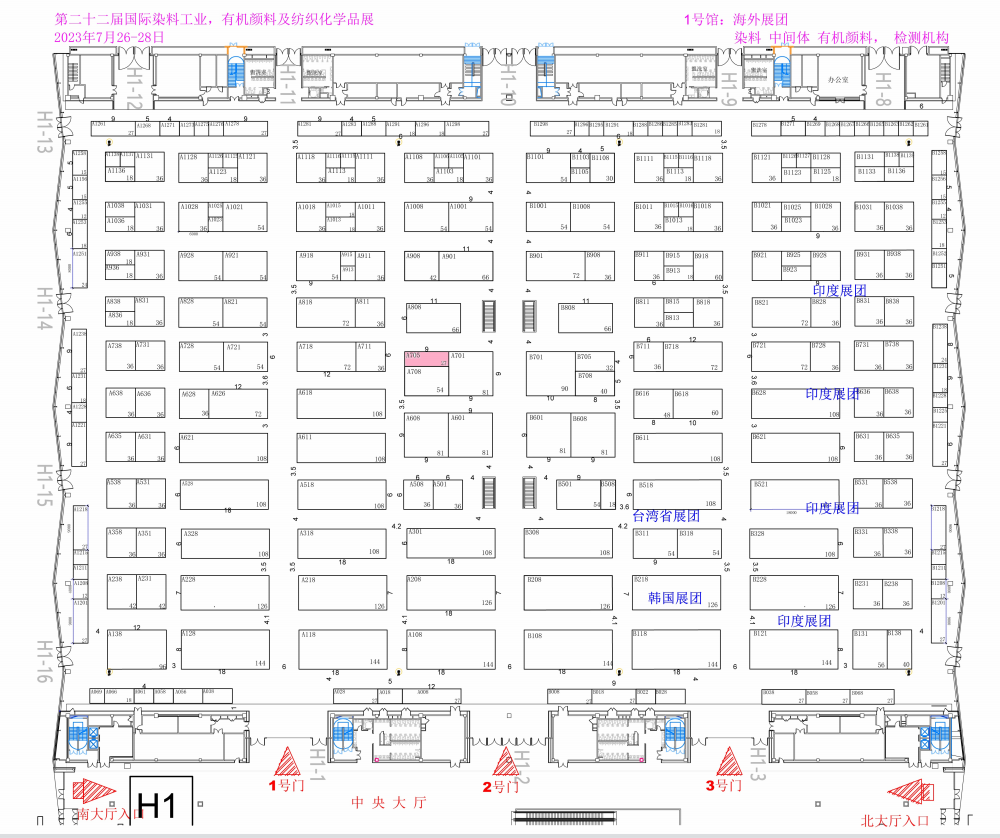 2023 Dynasty Chemicals @ China Interdye 2023, Shanghai