
What is sulfur dye?
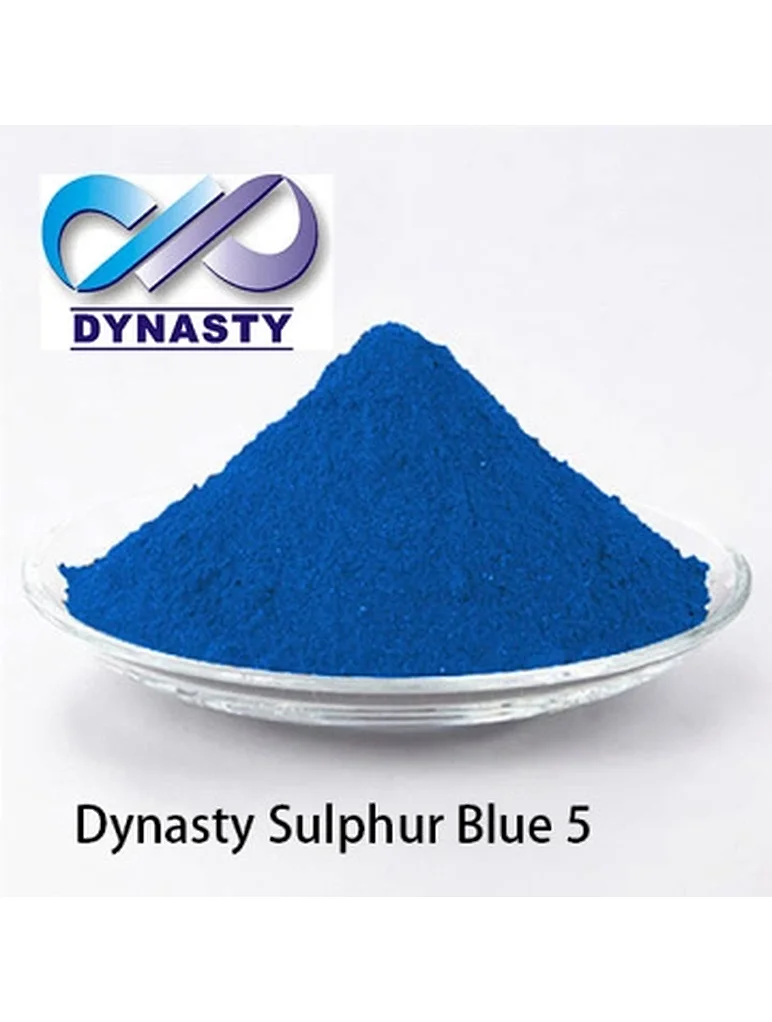
Sulfur dyes are a type of synthetic dyes widely used in the textile industry for coloring natural fibers like cotton, rayon, and hemp. They are known for their excellent colorfastness and affordability. Sulfur dyes are called so because they contain sulfur as a key component in their chemical structure.
How many kinds of sulfur dyes are there?
There are several different types or classes of sulfur dyes, each with its own characteristics and properties. The specific classification of sulfur dyes can vary, but here are some of the common types:
- Sulfur Black: Sulfur Black dyes are the most commonly used sulfur dyes. They are known for their deep black color and are widely used for dyeing cotton, rayon, and other cellulose fibers.
- Sulfur Navy: Sulfur Navy dyes are dark blue shades that resemble navy blue. They are commonly used for dyeing denim and other cotton fabrics.
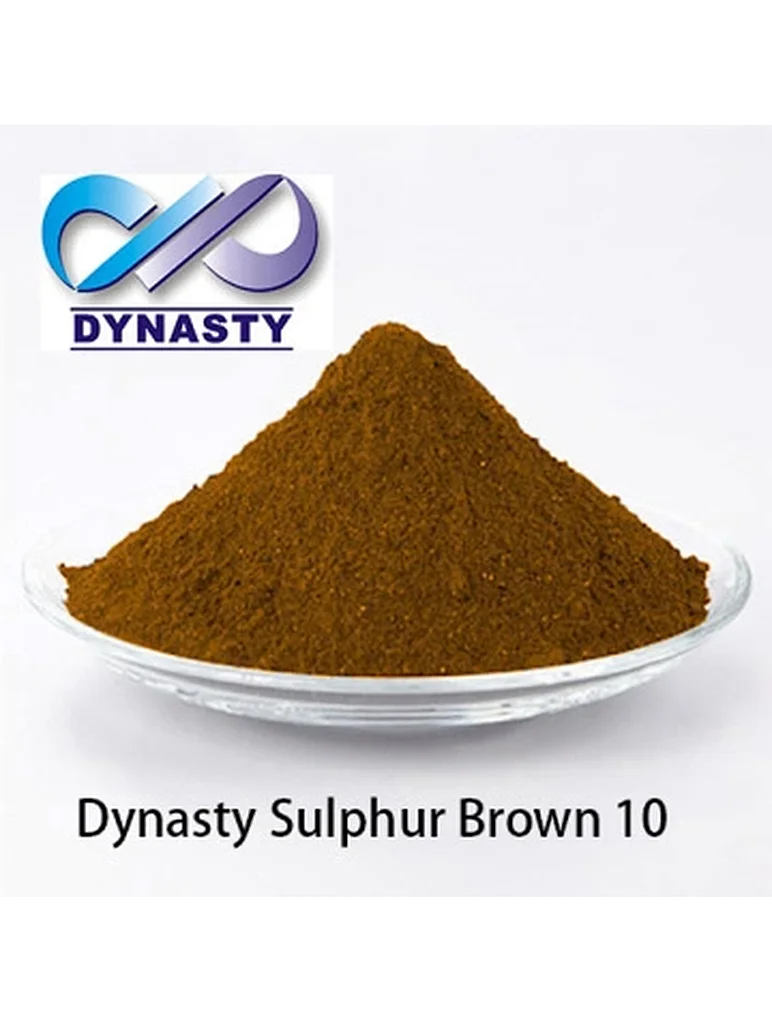
- Sulfur Brown: Sulfur Brown dyes offer various shades of brown, ranging from light to dark. They are used for dyeing textiles like cotton and rayon.
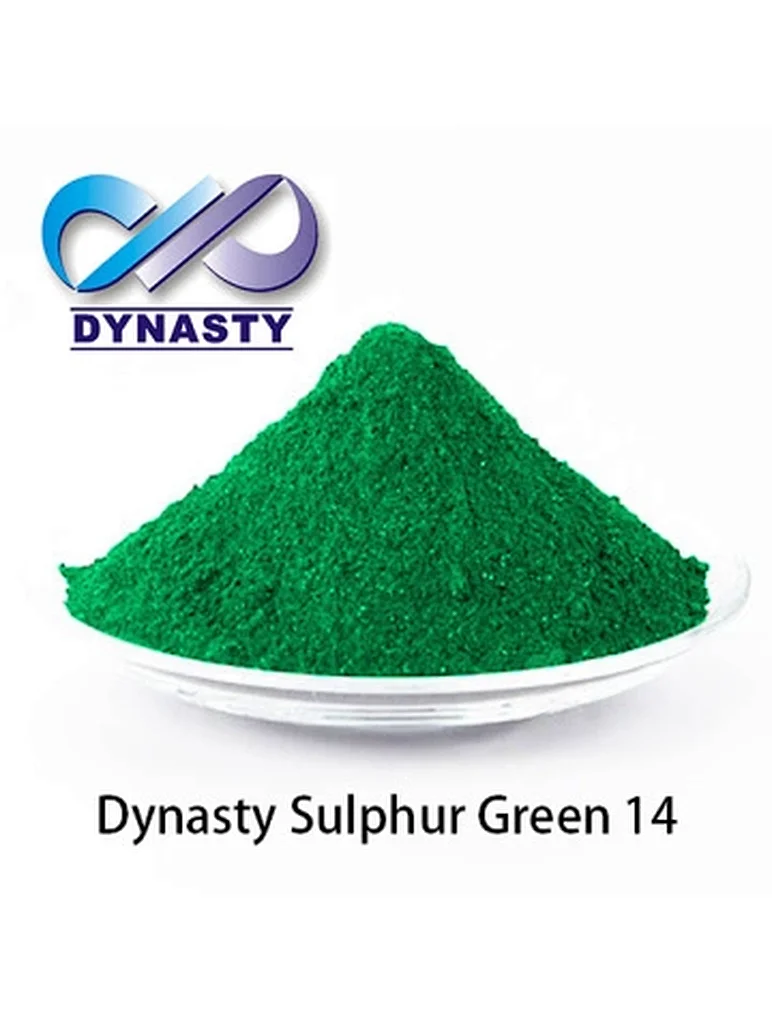
- Sulfur Green: Sulfur Green dyes provide shades of green and are used for dyeing natural fibers.
- Sulfur Blue: Sulfur Blue dyes offer a range of blue shades, from light to dark. They are used for dyeing cotton and rayon fabrics.
- Sulfur Red: Sulfur Red dyes provide various shades of red and are used for dyeing natural fibers.
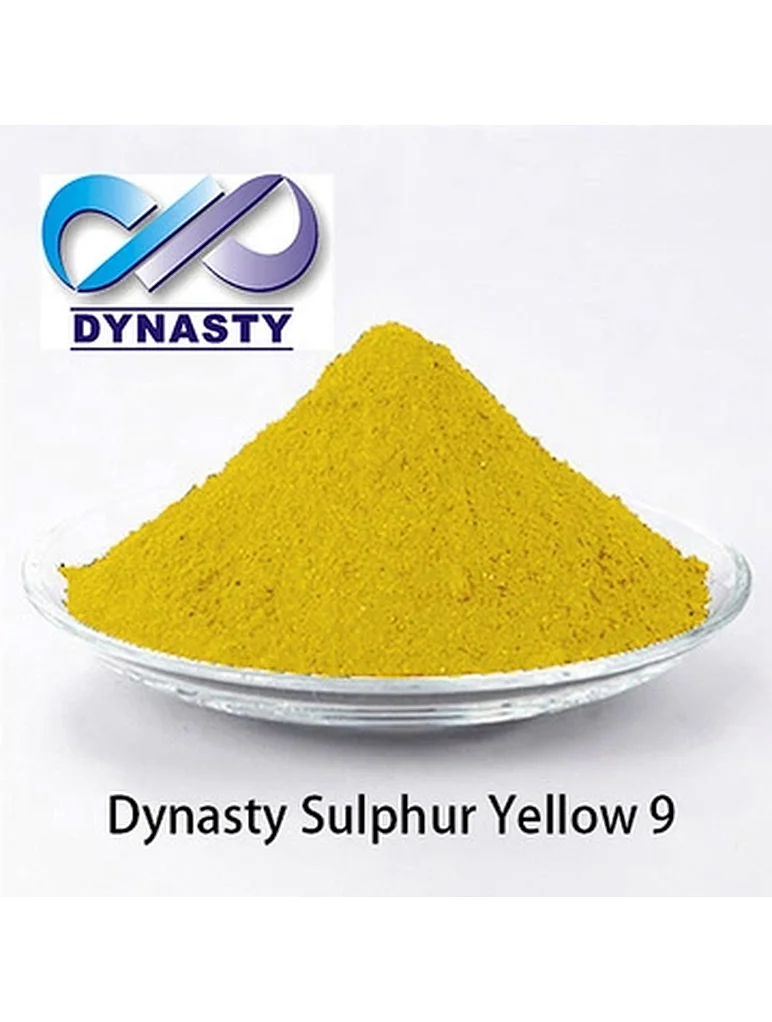
- Sulfur Yellow: Sulfur Yellow dyes offer different shades of yellow and are used for dyeing cotton and rayon.
- Sulfur Orange: Sulfur Orange dyes provide shades of orange and are used for dyeing natural fibers.
Advantages
- Excellent Colorfastness: Sulfur dyes are known for their excellent colorfastness properties. They exhibit good resistance to fading from exposure to light, washing, and perspiration. This makes them suitable for fabrics that require long-lasting and durable colors.
- Wide Color Range: Sulfur dyes offer a wide range of colors, including deep and dark shades. They can produce vibrant and intense hues, allowing for a diverse color palette in textile applications.
- Cost-effective: Sulfur dyes are relatively inexpensive compared to many other types of synthetic dyes. This affordability makes them a popular choice for large-scale dyeing operations and mass production in the textile industry.
- Good Coverage and Penetration: Sulfur dyes have good coverage and penetration properties, allowing them to dye the fibers deeply. This results in rich and uniform color distribution throughout the fabric.
- Compatibility with Cellulosic Fibers: Sulfur dyes have excellent compatibility with cellulose-based fibers, such as cotton, rayon, and hemp. They readily bond with these fibers, providing reliable and consistent dyeing results.
- Ease of Application: Sulfur dyes are relatively easy to apply during the dyeing process. They require a reducing agent, such as sodium sulfide or sodium hydrosulfite, to activate their dyeing properties. The reduction process enables the dyes to form a water-insoluble compound that attaches to the fiber's surface.
- Resistance to Environmental Conditions: Sulfur dyes exhibit good resistance to various environmental conditions, including light, heat, and chemicals. This enhances the longevity and color stability of the dyed fabric, ensuring that it maintains its appearance even after exposure to challenging conditions.
- Environmental Considerations: Compared to some other synthetic dyes, sulfur dyes are generally considered more environmentally friendly. They have a relatively low toxicity and are less harmful to aquatic ecosystems. However, proper wastewater treatment is still necessary during the dyeing process to minimize any potential environmental impact.
Disadvantages
- Limited Fiber Compatibility: Sulfur dyes have limited compatibility with certain fibers. They work well with cellulose-based fibers like cotton, rayon, and hemp, but have poor affinity for protein-based fibers such as wool or silk. This limits their applicability in certain textile products that require dyeing of non-cellulosic fibers.
- Color Variation: Achieving consistent color results with sulfur dyes can be challenging. The dyeing process requires careful control of factors such as pH, temperature, and dye concentration. Without precise control, variations in shade and color intensity can occur, leading to inconsistent dyeing results.
- Odor: Sulfur dyes have a characteristic sulfuric odor during the dyeing process. This odor can be unpleasant and may require adequate ventilation in dyeing facilities.
- Limited Lightfastness for Certain Colors: While sulfur dyes generally exhibit good colorfastness, some specific colors, especially light or pastel shades, may have lower lightfastness. These lighter shades may be more prone to fading when exposed to prolonged sunlight or strong UV radiation.
- Limited Wash-Off Fastness: Sulfur dyes may have lower wash-off fastness compared to other types of dyes. Wash-off fastness refers to the ability of the dye to resist bleeding or fading during the washing process. Proper rinsing and washing procedures are required to minimize any potential color bleeding.
- Environmental Considerations: Although sulfur dyes are generally considered more environmentally friendly than certain other types of synthetic dyes, their production and dyeing processes still generate waste. Proper wastewater treatment and disposal are necessary to minimize the environmental impact of sulfur dye usage.
- Complexity of Dyeing Process: The dyeing process for sulfur dyes can be more complex compared to some other types of dyes. It requires the use of reducing agents and careful control of various parameters to achieve desired results. This complexity may require additional expertise and attention during the dyeing process.
- Limited Color Range for Some Applications: While sulfur dyes offer a wide range of colors, there may be limitations in achieving certain shades or color variations. Some specialized applications or fashion trends may require specific colors that are not easily attainable with sulfur dyes alone.
Applications
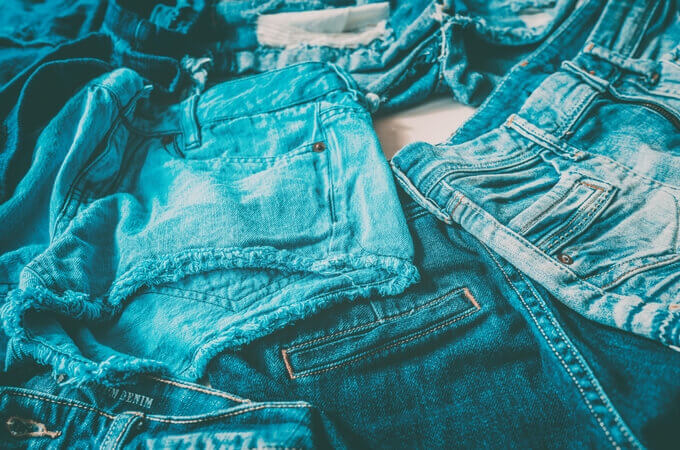
- Denim and Jeans: Sulfur dyes are extensively used for dyeing denim fabrics, which are commonly used for jeans. The deep and intense shades achieved with sulfur dyes provide the characteristic blue and black colors associated with denim.
- Casual Wear: Sulfur dyes are employed for dyeing casual wear made of cotton or other natural fibers. They are used to create a range of colors, including shades of brown, green, red, yellow, and orange.
- Workwear and Uniforms: Sulfur dyes are suitable for dyeing workwear and uniforms due to their colorfastness and durability. They can withstand frequent washing and maintain their color integrity, making them ideal for garments exposed to rugged conditions.
- Home Textiles: Sulfur dyes find applications in various home textile products, including bed sheets, pillowcases, curtains, and upholstery fabrics. They provide long-lasting colors that can withstand regular use and washing.
- Towels and Bathrobes: Towels, bathrobes, and other bath linens often undergo frequent washing. Sulfur dyes are preferred for these textiles due to their ability to retain color even after multiple washes.
- Industrial Textiles: Sulfur dyes are used for dyeing industrial textiles, such as canvas, tarps, and heavy-duty fabrics. These textiles require robust colors that can withstand harsh environmental conditions and frequent use.
- Printing Inks: Sulfur dyes are also used as pigments in printing inks for textile printing processes. They provide vibrant and long-lasting colors that adhere well to the fabric during the printing process.
- Paper Dyeing: Sulfur dyes can be employed for dyeing paper products, such as tissue paper, packaging materials, and decorative papers. They offer a range of colors and contribute to the visual appeal of the paper products.
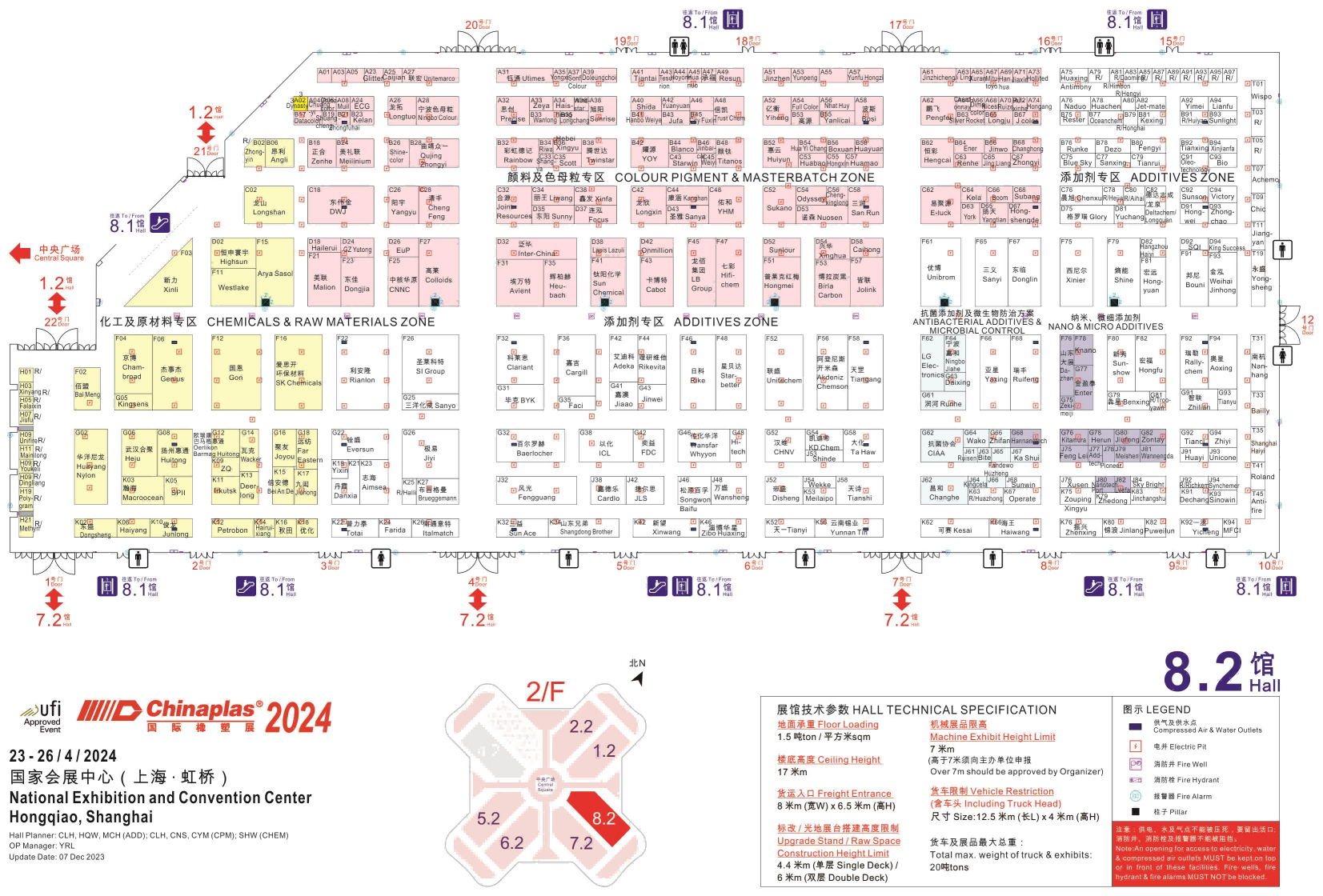 Dynasty Chemicals @ Chinaplas 2024, Shanghai
 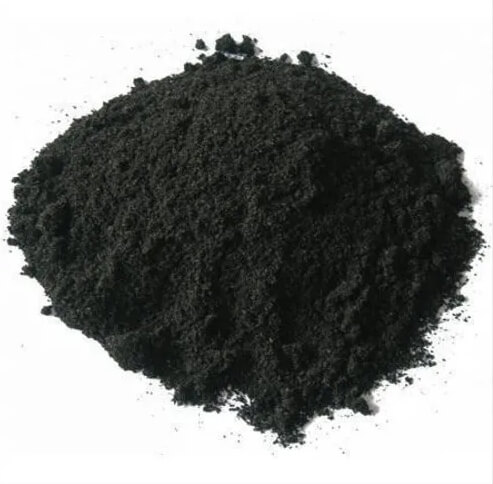 Versatile Uses of Acid Black Dyes
 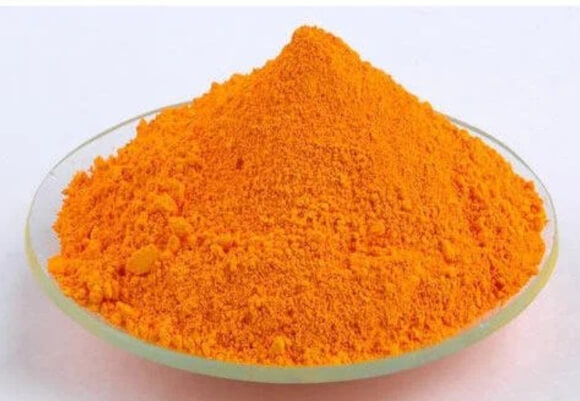 Classification and Application of Vat Orange Dyes
 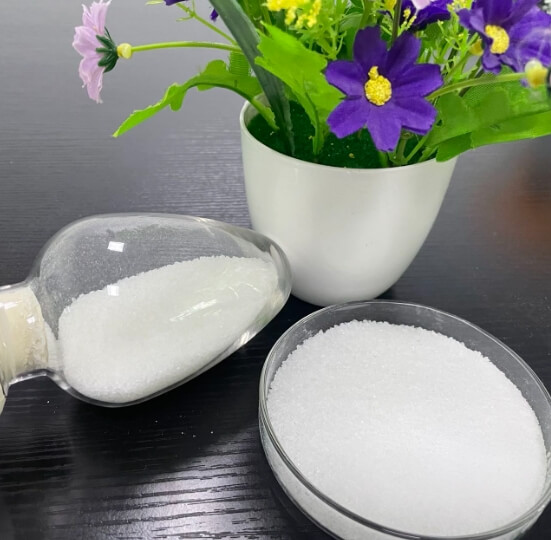 Chemical Properties of CAS 9002-89-5
 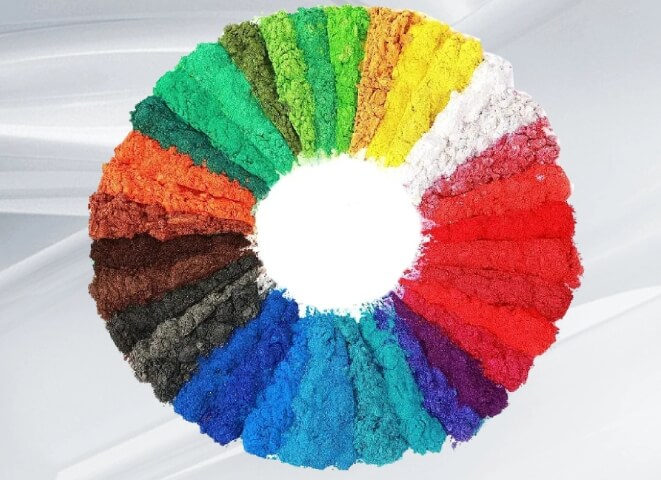 What Are The Common Fabric Dye Types And Textile Dyeing Techniques?
 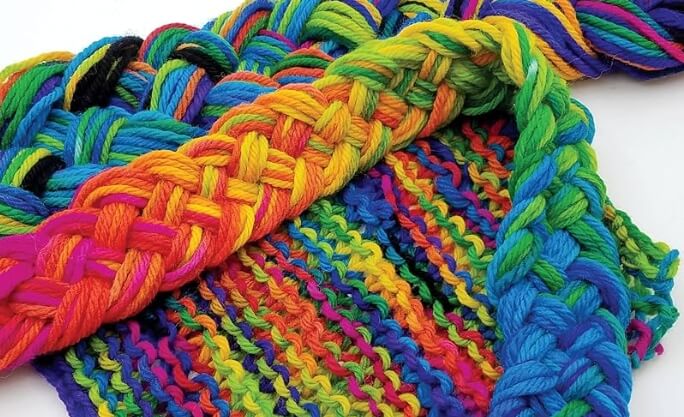 Wool Yarn Dyes Demystified: The Mystery of the Art of Color
 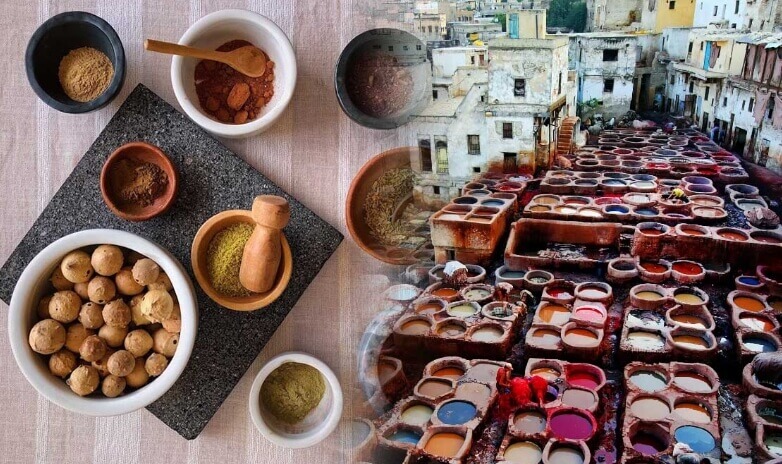 How Do Synthetic Textile Dyes Differ From Natural Textile Dyes?
  Behind Colorfast Dyes: The Science of Lasting Color
  Insights Into Dye For Denim Jeans
  Sustainable Environmentally Friendly Dyes For Textile
  What Is Polyvinyl Alcohol Used For
  Discover the Multiple Uses of Sulphur Dyes
  Basic Knowledge of Cationic Dyes
  Vat Dye Dyeing Process
  Eco-Friendly Properties of Acid Dyes
  What is the difference between mordant and vat dyes?
  What is dispersed dye and what are the classifications of dispersed dyes
  Classification and Selection Principles of Dyes
  How to choose dyes for your industry?
  2023 Dynasty Chemicals @ China Interdye 2023, Shanghai