What is vat dye?
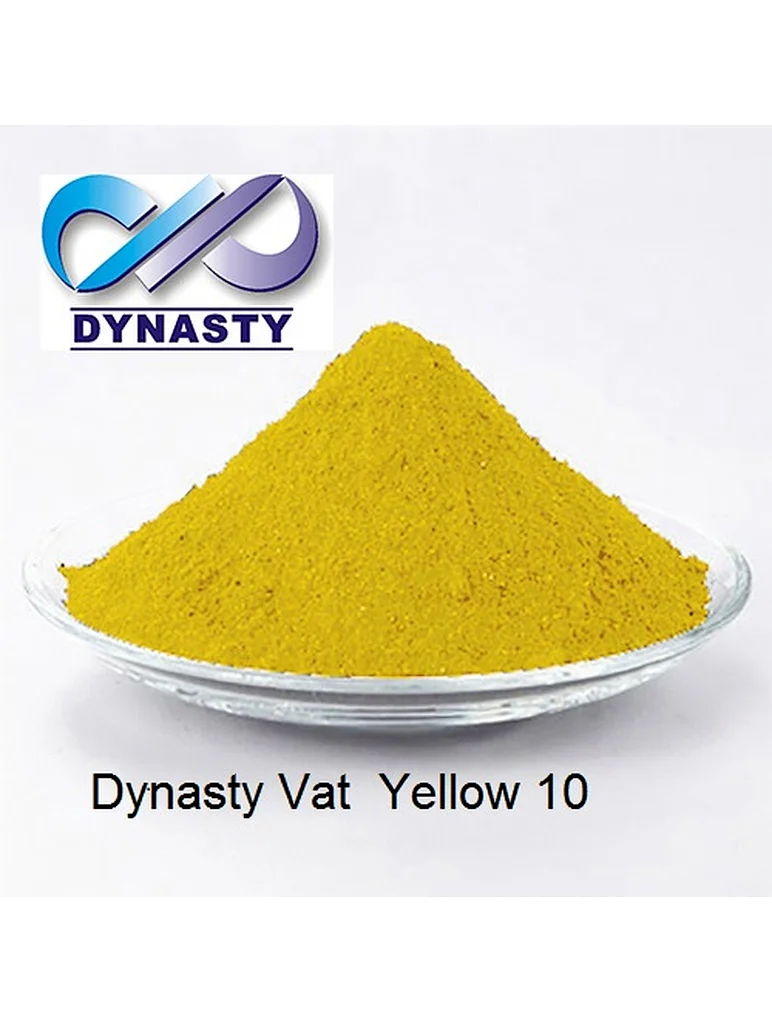
Vat dye is a type of dye that is used to color textiles, such as fabrics and yarns. It is known for its excellent colorfastness, which means the dye resists fading and washing out over time. Vat dyes are insoluble in water and require a complex chemical process to make them soluble and suitable for dyeing fabrics.
The term "vat" refers to the large vessels or vats traditionally used in the dyeing process. Vat dyes are typically derived from natural sources, such as plants or insects, although synthetic versions are also available. They are primarily used to achieve deep and vibrant colors, especially in shades of blue, green, and brown.
The process of dyeing with vat dyes involves reducing the dye molecules to a water-soluble form, which can then penetrate the textile fibers. This reduction is typically achieved by using strong reducing agents, such as sodium hydrosulfite or sodium dithionite, along with alkali substances like sodium hydroxide. Once the dye has been absorbed by the fibers, it is oxidized back to its insoluble form, resulting in a permanent color bond.
Vat dyes are known for their excellent colorfastness, resistance to light, and durability. They are commonly used for dyeing denim, as well as for industrial applications where color retention is crucial, such as military uniforms or outdoor textiles. However, the dyeing process with vat dyes can be complex and requires careful control of factors like pH, temperature, and dyeing time to achieve desired results.
How many kinds of vat dyes are there?
There are numerous types of vat dyes available, each offering different chemical compositions and characteristics. Some of the commonly used vat dyes include:
- Indigo: Indigo is perhaps the most well-known and widely used vat dye. It is derived from the leaves of the indigofera tinctoria plant and is commonly used to achieve shades of blue.
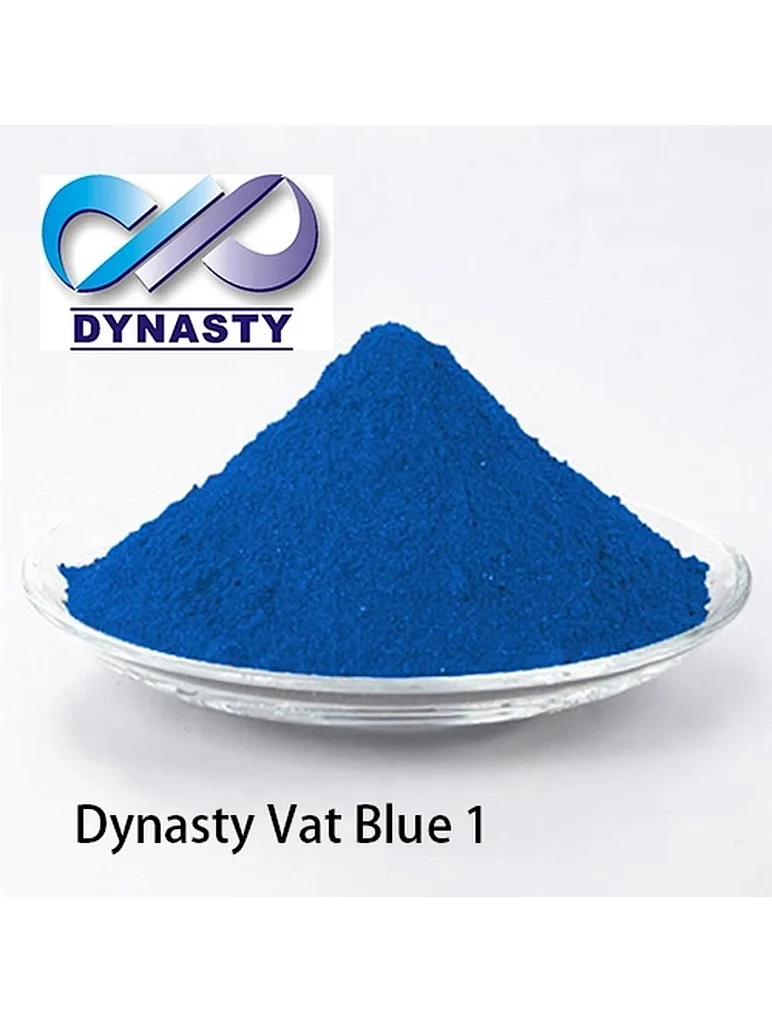
- Anthraquinone Vat Dyes: This group includes dyes like vat yellow 4, vat orange 1, vat violet 1, and others. They are derived from anthraquinone compounds and provide a range of colors, including yellows, oranges, and purples.
- Polycyclic Aromatic Hydrocarbon (PAH) Vat Dyes: This group includes dyes like vat brown 1 and vat brown 41. They are derived from polycyclic aromatic hydrocarbon compounds and are used for achieving brown shades.
- Nitro Vat Dyes: This group includes dyes like vat orange 7, vat orange 9, and others. They are derived from nitro compounds and are used to achieve bright orange and red shades.
- Benzidine Vat Dyes: This group includes dyes like vat red 1 and vat red 13. They are derived from benzidine compounds and are used for achieving vibrant red shades.
These are just a few examples of vat dyes, and there are many more variations and subtypes available within each group. The choice of vat dye depends on the desired color, application, and specific requirements of the dyeing process.
Advantages of vat dyes
Vat dyes offer several advantages, which contribute to their popularity and wide usage in the textile industry. Here are some key advantages of vat dyes:
- Excellent Colorfastness: Vat dyes are known for their exceptional colorfastness. Once the dye molecules are oxidized and become insoluble in water, they form strong chemical bonds with the textile fibers. This results in excellent resistance to fading, washing, and light exposure, ensuring that the colors remain vibrant and durable over time.
- Wide Color Range: Vat dyes offer a wide range of colors, especially in shades of blue, green, and brown. They can achieve deep and intense hues that are difficult to obtain with other dye types. This versatility allows for creative freedom in textile design and enables the production of rich and diverse color palettes.
- Durability: Vat dyes provide excellent color durability and resistance to external factors such as heat, light, and chemicals. This makes them suitable for various applications, including textiles that undergo frequent washing or exposure to harsh conditions.
- Color Mixing Capability: Vat dyes can be easily mixed or blended to create a wide spectrum of shades and colors. This flexibility in color mixing allows for customization and precise color matching, meeting specific design requirements.
- Versatility in Substrates: Vat dyes can be used to color a wide range of textile substrates, including natural fibers like cotton, silk, and linen, as well as synthetic fibers like polyester and nylon. This versatility makes vat dyes suitable for different fabric types, expanding their applicability.
- Resistance to Environmental Factors: Vat dyes are generally resistant to environmental factors, such as UV radiation and weathering. This makes them suitable for outdoor and industrial applications where color retention and durability are essential.
- Good Wash Fastness: Vat dyes exhibit excellent wash fastness, meaning the colors remain intact even after repeated washing. This makes them suitable for textiles that require frequent laundering, such as garments and household textiles.
Overall, vat dyes offer superior colorfastness, a wide range of colors, durability, and versatility, making them a preferred choice for many textile dyeing applications.
Applications of vat dyes
Vat dyes find extensive applications in the textile industry due to their desirable properties. Here are some common applications of vat dyes:
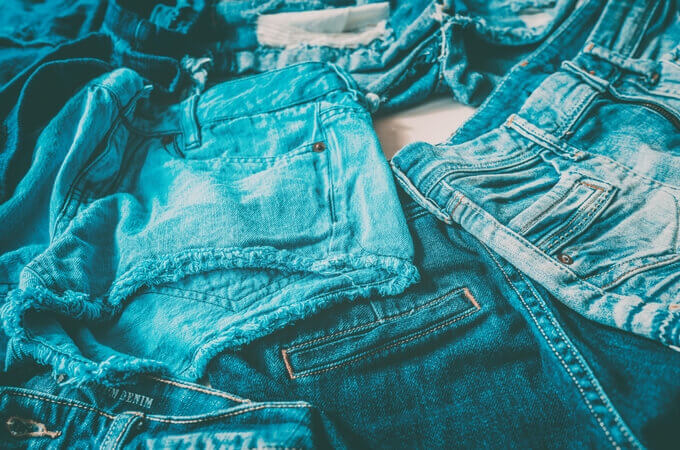
- Denim Dyeing: Vat dyes, particularly indigo, are widely used for dyeing denim fabric. Denim is known for its characteristic blue color, which is achieved through the application of vat dyes. Vat dyes provide excellent colorfastness, durability, and the ability to create various shades of blue, making them ideal for denim production.
- Fashion and Apparel: Vat dyes are used to color a wide range of fashion and apparel items, including shirts, dresses, skirts, trousers, and more. They offer vibrant and long-lasting colors, allowing designers to create attractive and durable garments.
- Home Textiles: Vat dyes are employed in the dyeing of home textile products such as bed sheets, curtains, upholstery fabrics, and towels. These dyes ensure that the colors remain vibrant even with regular washing and exposure to sunlight, enhancing the longevity and aesthetics of home textiles.
- Industrial Textiles: Vat dyes are utilized for dyeing industrial textiles, such as automotive fabrics, workwear, military uniforms, and outdoor fabrics. These applications require high colorfastness, durability, and resistance to harsh conditions, which vat dyes can provide.
- Traditional and Cultural Textiles: Vat dyes are often used in the dyeing of traditional and cultural textiles, reflecting the rich heritage and artistry of different regions. These dyes allow the production of vibrant and long-lasting colors in textiles like saris, turbans, traditional costumes, and ethnic textiles.
- Specialty Textiles: Vat dyes are employed in the dyeing of specialty textiles, including swimwear, sportswear, and performance apparel. These applications require dyes that can withstand exposure to chlorine, UV radiation, perspiration, and frequent washing, which vat dyes can offer.
- Paper Dyeing: Vat dyes are also used for coloring paper and paper products. They provide intense and vibrant colors, making them suitable for applications like art paper, specialty packaging, and stationery.
It's important to note that the specific applications of vat dyes can vary depending on factors such as the desired color range, fabric type, and end-use requirements.
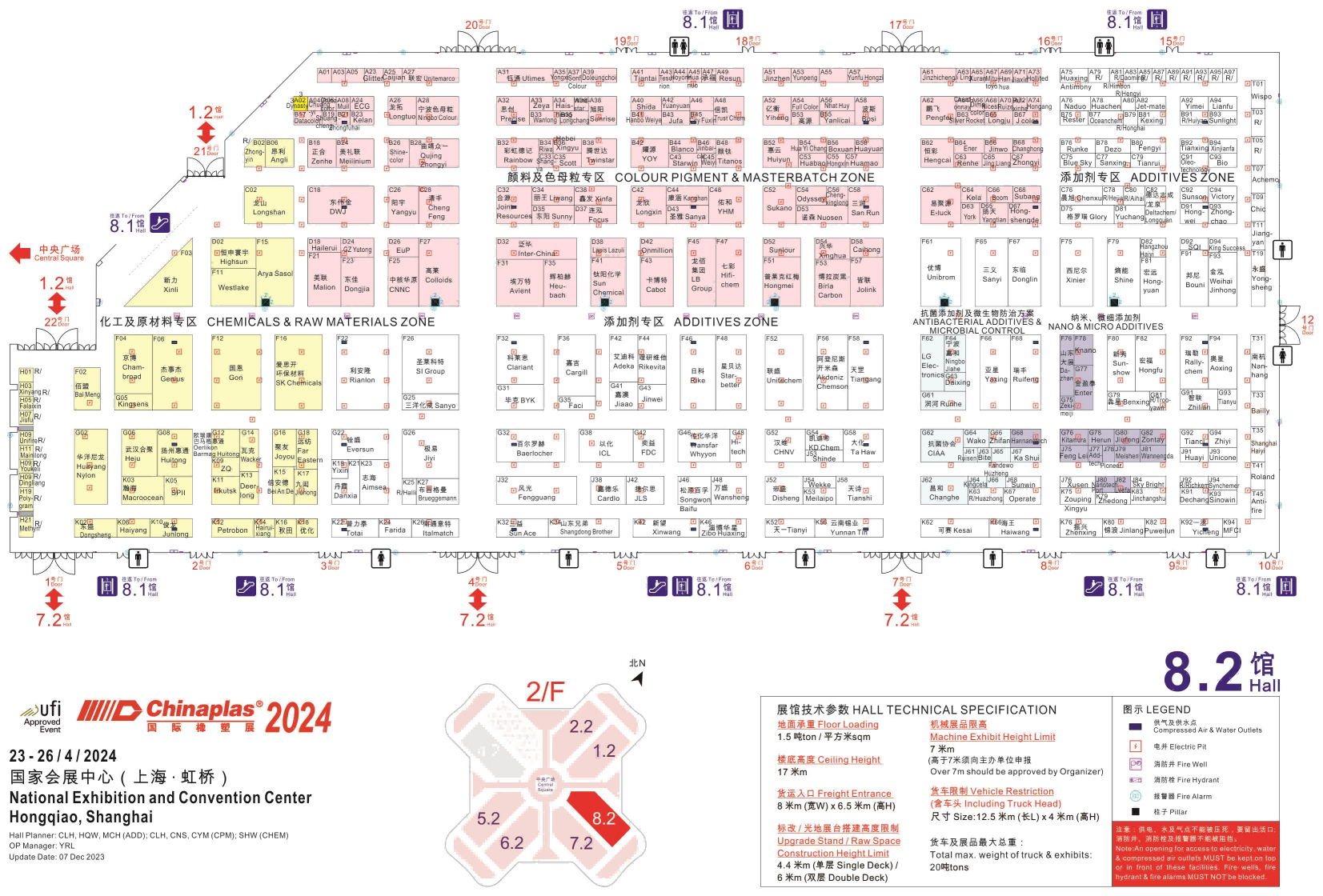 Dynasty Chemicals @ Chinaplas 2024, Shanghai
  Versatile Uses of Acid Black Dyes
  Classification and Application of Vat Orange Dyes
  Chemical Properties of CAS 9002-89-5
 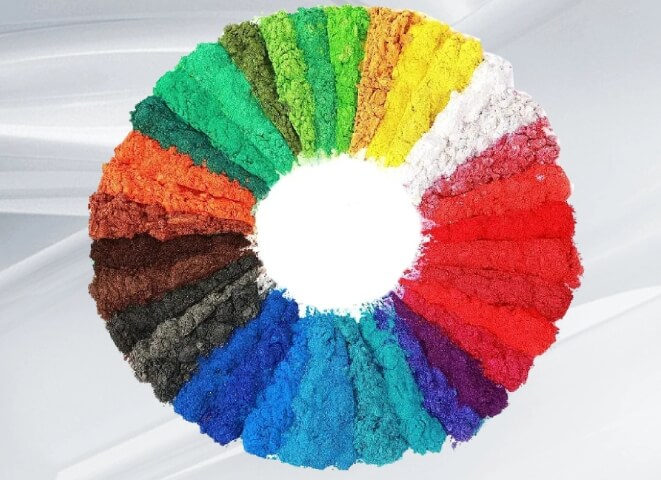 What Are The Common Fabric Dye Types And Textile Dyeing Techniques?
 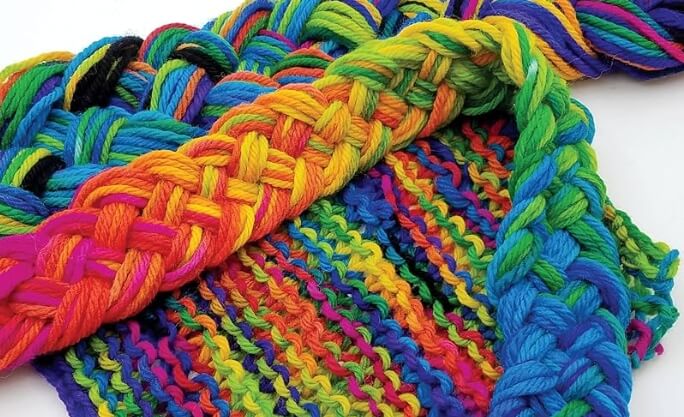 Wool Yarn Dyes Demystified: The Mystery of the Art of Color
 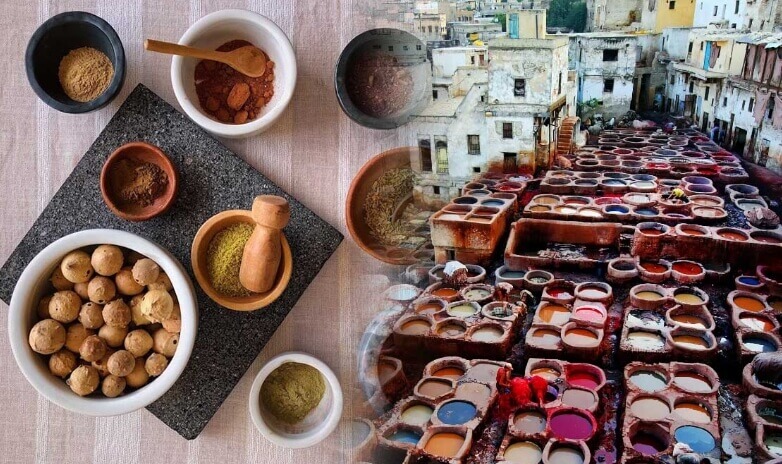 How Do Synthetic Textile Dyes Differ From Natural Textile Dyes?
  Behind Colorfast Dyes: The Science of Lasting Color
  Insights Into Dye For Denim Jeans
  Sustainable Environmentally Friendly Dyes For Textile
  What Is Polyvinyl Alcohol Used For
  Discover the Multiple Uses of Sulphur Dyes
  Basic Knowledge of Cationic Dyes
  Vat Dye Dyeing Process
  Eco-Friendly Properties of Acid Dyes
  What is the difference between mordant and vat dyes?
  What is dispersed dye and what are the classifications of dispersed dyes
  Classification and Selection Principles of Dyes
  How to choose dyes for your industry?
 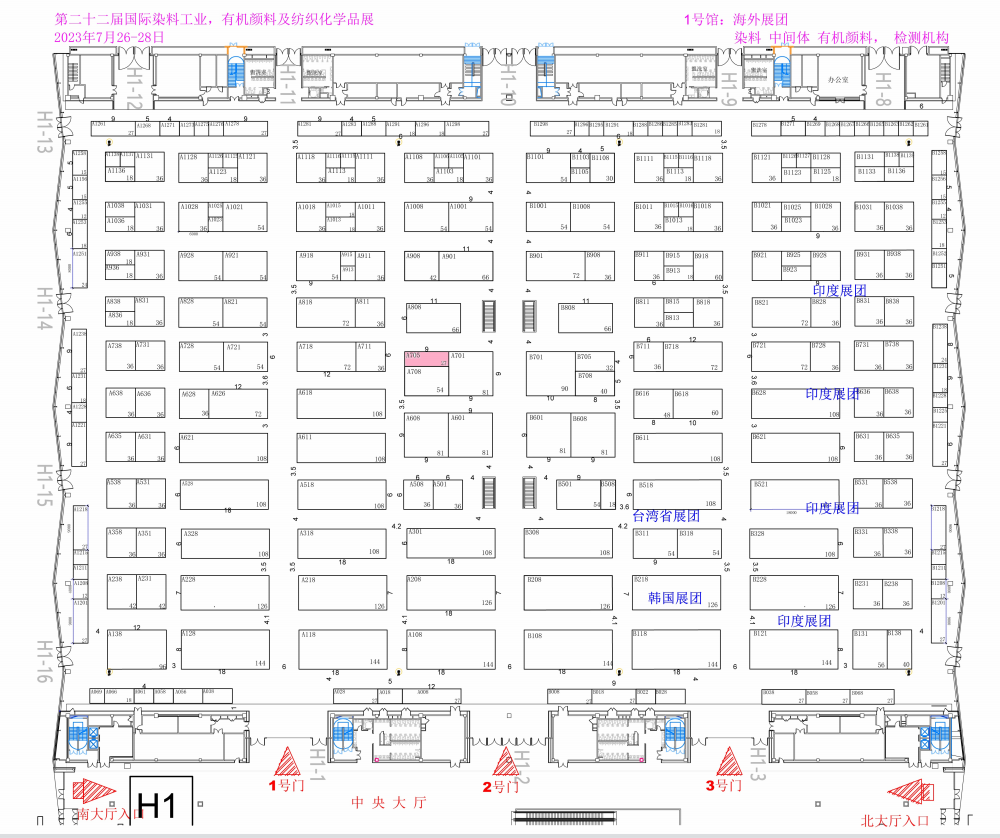 2023 Dynasty Chemicals @ China Interdye 2023, Shanghai